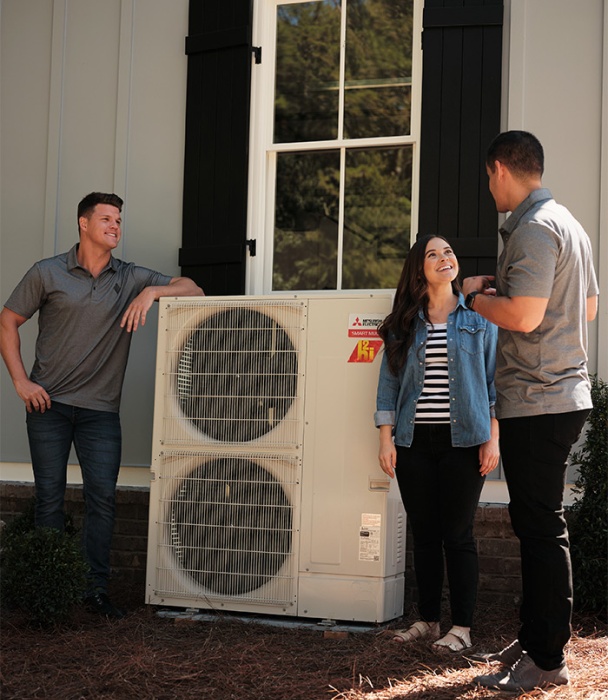
When it comes to maintaining comfort in your home or office, few systems are as essential as your HVAC system. HVAC stands for Heating, Ventilation, and Air Conditioning, and it is the technology responsible for regulating indoor temperature, air quality, and overall comfort. Understanding how an HVAC system works can help you make informed decisions about maintenance, repairs, and upgrades.
At its core, an HVAC system performs three primary functions: heating, cooling, and ventilating. The heating component typically involves a furnace or heat pump that warms the air and distributes it throughout your space. Furnaces often use natural gas, propane, or electricity to heat air, which is then circulated through ductwork using a blower. Heat pumps, on the other hand, are versatile systems that can both heat and cool by transferring heat between the indoor and outdoor environments.
The air conditioning portion of an HVAC system handles cooling. Central air conditioners work by removing heat from the indoor air and expelling it outside. This process involves a refrigerant, which absorbs heat from your home and moves it through a cycle of evaporation and condensation. The cooled air is then distributed through ducts, providing a comfortable environment even during the hottest summer days. Some systems combine heating and cooling in one unit, known as a split system, which provides year-round comfort efficiently.
Ventilation is another crucial part of an HVAC system. Proper ventilation ensures that indoor air remains fresh and free from pollutants, allergens, and excess moisture. This is achieved through a combination of air filters, vents, and fans that exchange indoor air with outdoor air. In modern systems, ventilation is often integrated with air-purification components, helping maintain healthier indoor air quality.
Understanding how your HVAC system works also involves knowing its key components. Besides the furnace, heat pump, or air conditioner, the system includes ductwork, thermostats, and filters. The ductwork acts as the highway for air to travel throughout your building, while thermostats allow you to control temperature settings conveniently. Air filters capture dust, pollen, and other particles, preventing them from circulating indoors and protecting sensitive components of the system. Regularly replacing or cleaning filters is essential for efficiency and longevity.
Another important aspect of HVAC systems is energy efficiency. Modern systems are designed to operate more efficiently, saving energy and reducing utility costs. Energy efficiency ratings, such as SEER (Seasonal Energy Efficiency Ratio) for air conditioners and AFUE (Annual Fuel Utilization Efficiency) for furnaces, help consumers compare the performance of different units. Investing in a high-efficiency HVAC system may have higher upfront costs but can result in significant long-term savings.
Maintenance is key to ensuring your HVAC system operates smoothly. Routine maintenance tasks include cleaning and replacing filters, inspecting and sealing ductwork, checking refrigerant levels, and testing system controls. Scheduling regular professional inspections can prevent minor issues from becoming major problems, extend the life of your equipment, and maintain consistent comfort throughout your home or office.
In conclusion, an HVAC system is more than just a heating or cooling device—it is a comprehensive system that controls temperature, air quality, and ventilation. By understanding how your HVAC system works and keeping up with proper maintenance, you can ensure a comfortable, healthy, and energy-efficient environment. Whether you are considering a new installation or maintaining an existing system, knowledge about HVAC is the first step toward optimal indoor comfort.