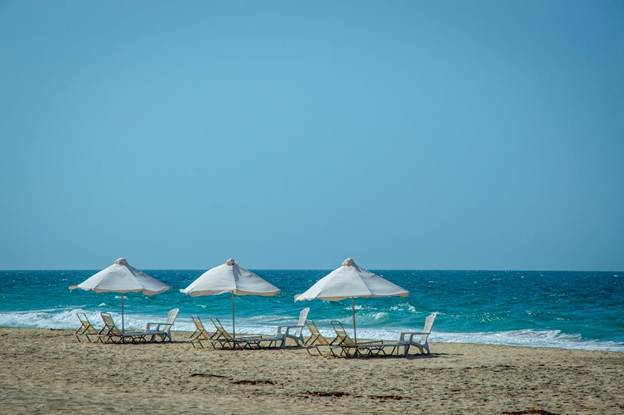
Island trips are appealing because they offer rest, beautiful scenery, and a slower pace. You get ocean views, fresh air, and a calm atmosphere that helps you unwind. But island travel also comes with challenges, including limited transportation, fewer stores, and unpredictable weather. When you plan, those issues stay minor, and the trip feels smooth. Without a plan, small delays can quickly take over your schedule.
The most relaxing island vacations are usually the result of smart choices made before departure. Start by picking the right destination and the right place to stay. South Carolina’s Kiawah Island, for example, is known for its protected dunes, wide beaches, and strong conservation focus, appealing to travelers who want both nature and comfort. On islands like this, where you stay shapes your entire experience, from beach access and dining to daily transportation.
Choose the Right Island and Home Base First
Before you compare flights or activities, decide what kind of island trip you actually want. Some islands are social and lively, with nightlife and packed beaches. Others are quiet, residential, and focused on nature. Your home base should match your pace. If you want calm mornings, privacy, and room to spread out, a private stay often works better than a standard hotel room. This is where your planning starts to pay off, because the right home base sets the tone for the entire trip.
For travelers heading to Kiawah Island rentals near the beach or bike paths can make daily transportation much easier. Instead of driving everywhere, you can walk or bike to many places. Platforms like iTrip offer many options, from condos to larger beach houses, designed for comfort and convenience.
Seasonal Timing and Microclimates Matter More Than You Think
Most people choose travel dates based on their work calendar, but island weather should have equal weight in your decision. Peak season can bring ideal temperatures, but it also brings higher prices and crowded beaches. Shoulder seasons often offer the best balance. You can still get warm weather while avoiding the busiest weeks and the highest rates. If your goal is a calm, comfortable trip, timing is one of the easiest ways to improve the experience without increasing your budget.
Microclimates also matter, especially on larger islands or coastal areas with changing wind patterns. One side of an island can feel breezy and mild, while the other feels humid and still. Afternoon rain showers may be common in some months, even when the forecast looks clear.
Transportation Logistics Can Make or Break Day One
Island travel often involves more steps than a typical city vacation. You may fly into a regional airport, take a shuttle, and complete the last leg by ferry, rental car, or private transfer. Each step has its own schedule, and delays can create a chain reaction. If you arrive after the last ferry or miss a shuttle connection, your first evening can become stressful. A smooth trip starts with a realistic arrival plan and enough buffer time between connections.
It also helps to think about how you will move around once you are on the island. Some places are built for biking and walking, while others require a car for groceries, restaurants, and beach access. Check whether your accommodation includes parking, bike rentals, or shuttle service. Confirm baggage limits if you are using ferries or small regional flights. These details are easy to overlook, but they directly affect how comfortable and flexible your trip feels from the moment you land.
Sustainable and Ethical Tourism Starts With Small Choices
Island ecosystems are often more fragile than they look. Dunes protect coastlines, wetlands filter water, and nesting areas support birds and sea turtles. A few careless decisions can quickly damage these systems. Stay on marked paths, follow local wildlife rules, and avoid touching coral or collecting shells from protected areas. These habits are simple, but they matter. They help preserve the places you came to enjoy.
Your spending choices also shape the island experience for local communities. Book tours with local guides, eat at independent restaurants, and buy from nearby shops when possible. This keeps more money in the local economy and supports the people who maintain the destination year-round. Ethical travel is not complicated. It just means paying attention to where your money goes and how your behavior affects the environment and the community.
Packing Essentials for Coastal Living
Packing for an island trip takes more thought than tossing in a swimsuit and sandals. Coastal weather can change quickly, so bring lightweight layers for cooler mornings and breezy evenings. Add sun protection that you will actually use, including a hat, sunglasses, and reef-safe sunscreen. Choose shoes for different surfaces, especially if you plan to walk on boardwalks, sand, and uneven trails. The right basics keep you comfortable and prevent small problems.
A few practical items make a big difference once you arrive. Pack a reusable water bottle, a dry bag for boat days, and a compact rain jacket for sudden showers. If you plan to swim often, water shoes can help on rocky shorelines. Bring bug spray and after-sun care, especially in humid regions. Islands may have limited shopping options, so replacing forgotten items can be expensive. Packing smart helps you stay flexible and avoid unnecessary errands.
Activity Planning vs. Relaxation
It is easy to overbook an island trip because there are so many tempting options. Boat tours, nature walks, local markets, and dining reservations can fill every day if you let them. A packed schedule may look exciting on paper, but it can leave you tired and rushed. Plan one main activity each day, then leave room for downtime. That approach keeps the trip enjoyable and gives you space to adjust if the weather changes.
Downtime should be part of the plan, not an afterthought. Build in slow mornings, beach walks, or quiet afternoons with no agenda. They also make the active parts feel better because you are not constantly moving. A flexible schedule gives you the best of both worlds. You can explore the island and still return home feeling rested.