Following an accident, everything begins to feel rushed, including your injuries, the damage, and the pressure from insurers. What doesn’t feel obvious is how quickly critical evidence can vanish. So what’s the most overlooked example? Traffic camera footage. Any accident lawyer New York will tell you the same thing: this footage isn’t just helpful; it can quietly decide whether your claim succeeds or struggles. Let’s get specific about how this actually plays out in real NYC cases, not just in theory.
When Video Evidence Changes the Entire Outcome
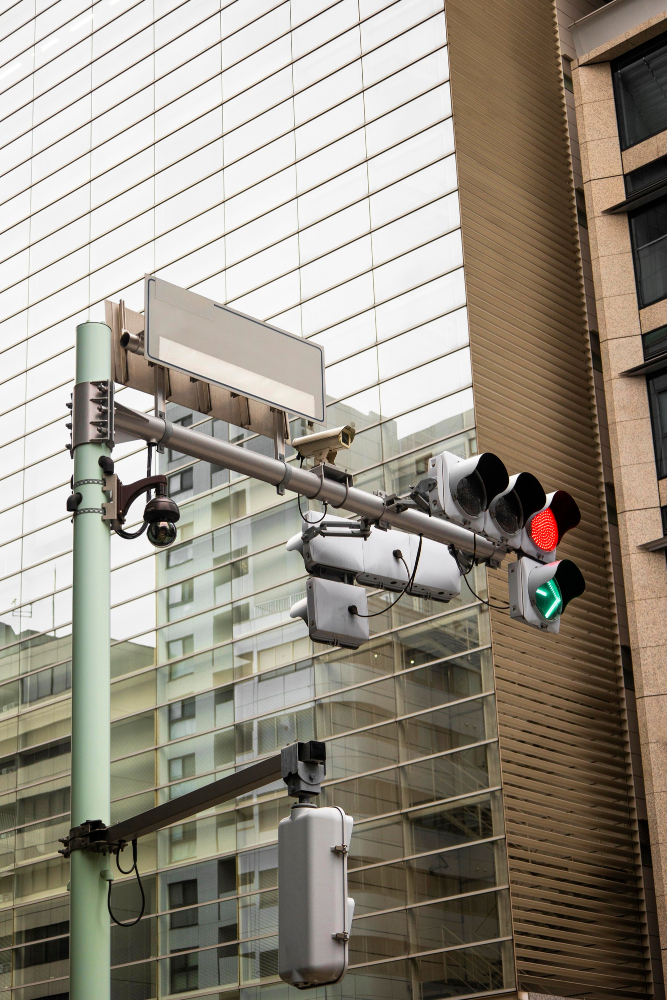
As for crowded places such as Queens Boulevard or Flatbush Avenue, there are usually several video recording devices installed at intersections, including NYC DOT traffic cameras, MTA bus video cameras, and even privately owned building security systems. In reality, it’s more than common that these devices are used simultaneously for recreating the accident scene.
Here is a case example of a left-turning car crash. According to New York Vehicle and Traffic Law §1141, the motorist who is going to make a left turn shall yield to other vehicles. However, it’s often not the case with drivers claiming that “they were speeding” or “the light changed.” And now the footage comes in to help solve the case.
The accident lawyer NYC needs to focus on another typical case pattern in which the video showed how a driver started turning left before the light turned red, blocking the oncoming cars’ path. Without video, there would be conflicting stories about what really happened. With video, the responsibility would be established in a few minutes.
The Reality of NYC Evidence Preservation (And Why Delays Hurt Cases)
Here’s something most people aren’t told: not all traffic footage is treated equally, and not all of it is easy to get.
- NYC DOT traffic cameras often do not continuously archive footage unless flagged
- NYPD surveillance systems may retain footage briefly, depending on the precinct
- Private cameras (stores, apartments) may overwrite data in as little as 7–14 days
This translates to an even shorter period than “as soon as possible.” In New York, the Civil Practice Law and Rules (CPLR § 3101) requires parties to have “full disclosure” of all pertinent evidence. The problem comes up when the video is destroyed before anyone asks for it, because then there is nothing to share. The importance of legal action is now clear, as attorneys will send a preservation letter requesting that the relevant video be preserved. If not, failure to do so may result in legal consequences, but again, depending on when the request is made.
Meanwhile, you’re also dealing with:
- The 30-day no-fault application deadline
- The 90-day Notice of Claim rule for city-related accidents
- The 3-year statute of limitations
A New York car accident lawyer not only considers your case but competes against several clocks at once, with video evidence usually given priority.
What Actually Happens Behind the Scenes of a Strong Claim
From the outside, an injury claim might seem like paperwork and phone calls. In reality, the early stages often look more like an investigation.
Here’s what typically happens in a well-handled NYC case:
- The exact intersection is analyzed using city traffic camera maps
- Nearby businesses are identified and contacted for possible footage
- MTA bus routes are checked to see if onboard cameras captured the incident
- Time stamps from 911 calls and police reports are matched with video windows
Suppose you had a collision at an intersection in Manhattan. You may think that only the traffic light camera is relevant, but in reality, the dashcam from the parked delivery truck or the surveillance system at the corner deli could have the best perspective.
And finally, many do not understand that the video does not just provide proof of who was at fault in the accident, but can also play a role in determining the severity of your injury. Such evidence can help you prove that you have suffered extensive physical harm from the accident.
Why This “Hidden Evidence” Deserves Your Attention
Traffic camera footage isn’t just another piece of evidence; it’s often the closest thing to an unbiased witness you’ll get in New York City. And unlike human witnesses, it doesn’t forget, get intimidated, or change its story. But it does disappear.
If you have been involved in an accident, it’s entirely understandable that you may feel confused and unsure where to begin. However, knowing how swiftly this kind of evidence fades away and the impact it can have when maintained makes all the difference.
This isn’t about turning you into a legal expert. It’s about helping you recognize that small, time-sensitive details can shape the entire trajectory of your claim. And when you’re already dealing with pain, stress, and uncertainty, having that clarity can make the process feel just a bit more manageable.