
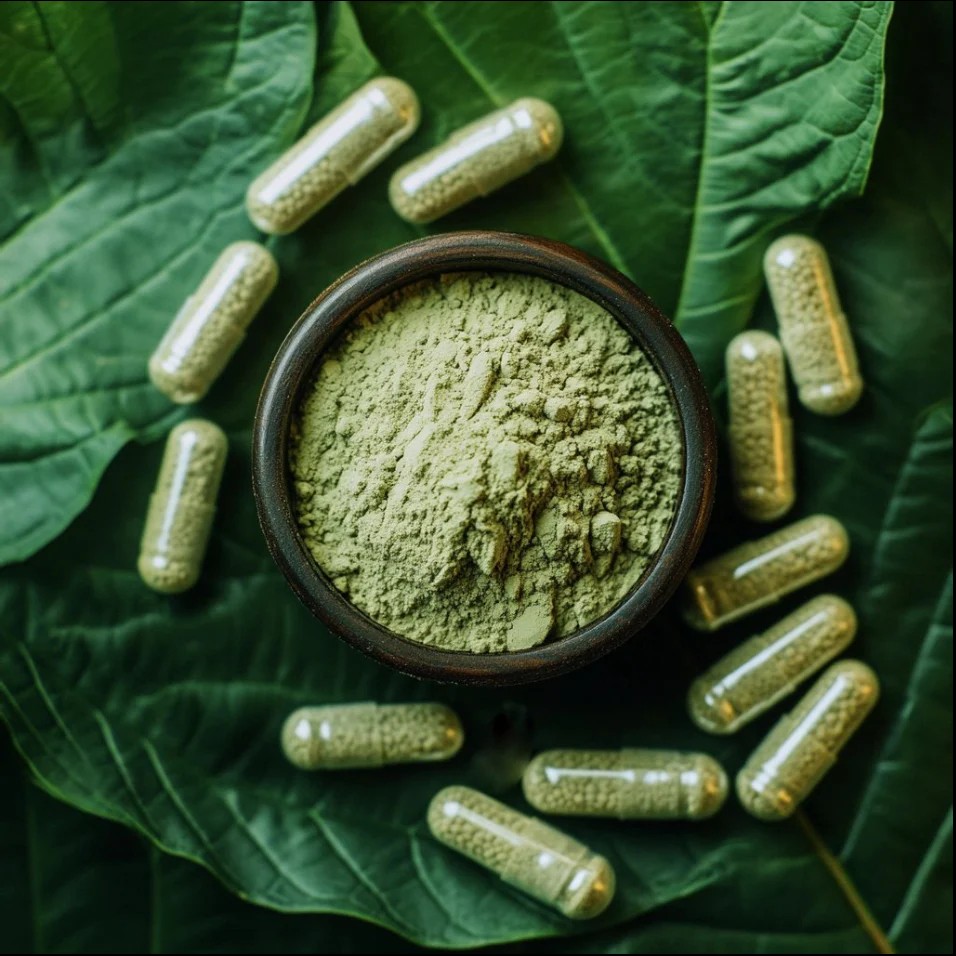
Local news coverage tends to focus on the dramatic version of a story, a state ban proposal, a legislative hearing, an FDA warning letter, while skipping over the quieter, more useful information readers actually need: how does a product like this get regulated, tested, and sold in the first place? For kratom, a botanical product sold widely online and in specialty shops across New York and beyond, that quieter story is worth telling.
Legal Status Isn’t One Simple Answer
Kratom is legal at the federal level in the United States, a fact that often gets flattened in coverage into “kratom is legal” or “kratom is under scrutiny” without the more accurate middle ground: it’s federally unscheduled, unregulated by the FDA as a supplement, and subject to a genuinely inconsistent patchwork of state and local rules. New York currently permits kratom sales at the state level, though as with many products in this position, local jurisdictions can and do add their own restrictions.
Why That Gap Matters for Consumers
Because kratom doesn’t fall under standard FDA dietary supplement oversight, the baseline consumer protections people often assume exist, standardized testing requirements, mandatory labeling accuracy, don’t automatically apply the way they would to a product regulated more conventionally. That gap has been filled, unevenly, by industry self-regulation rather than government mandate.
What Industry Self-Regulation Actually Looks Like
The most notable example is the American Kratom Association’s Good Manufacturing Practices Qualified Vendor program, a third-party audit system covering manufacturing controls, batch testing, and labeling accuracy for participating companies. It’s voluntary, and not every company in the market participates, which means the burden of distinguishing a rigorously tested product from a poorly documented one currently falls on the consumer.
Education’s Role in Closing the Gap
This is where education intersects with the story: consumers navigating a category without strong government oversight need a basic literacy in what to look for, batch-specific certificates of analysis, disclosed sourcing information, and third-party certification status, the same due-diligence skills that apply to any lightly regulated consumer product. Schools and public health programs rarely cover this kind of practical consumer education, leaving most people to figure it out from scratch when they encounter an unfamiliar product category.
What a Well-Documented Vendor Looks Like
Companies that publish this information clearly, such as Kingdom Kratom, give consumers something concrete to evaluate rather than requiring blind trust in marketing claims. The presence or absence of that kind of documentation is arguably more informative to a shopper than any single news headline about the industry’s regulatory status.
Movies, Media, and the Misinformation Problem
Media coverage of kratom, including several documentary-style pieces over the past decade, has often oversimplified a genuinely complicated regulatory picture into a binary “safe or dangerous” framing that skips past the more relevant, actionable question: is this specific product from this specific vendor well-documented and tested? That’s a less dramatic story, but it’s the one that actually helps a reader make a decision.
What to Watch Locally
Given how much can vary at the municipal level, readers should keep an eye on local government agendas, since kratom ordinances can appear and change with relatively little statewide media coverage.
Where School and Library Resources Fall Short
Public consumer education resources on newer botanical categories remain thin. Most public health curricula and library reference materials were written before kratom’s rise in retail availability and haven’t been meaningfully updated to include practical guidance on evaluating vendor documentation. That gap leaves most residents to piece together an understanding from scattered online sources of wildly varying quality, which is exactly the kind of information vacuum local news outlets are well positioned to help fill with grounded, specific reporting rather than another rehash of national controversy.
The Role of Local Reporters in Filling the Gap
Local outlets covering Yonkers and the wider Westchester area are often better positioned than national media to track this kind of granular, block-by-block regulatory variation, since municipal meeting agendas and zoning board decisions rarely make national news but directly affect what residents can legally buy nearby. Readers who want to stay ahead of local changes are better served by following city council and county legislative calendars directly than by waiting for a national story to filter down.
A Reader Note
Kratom products are intended for adult use only, and legal status varies by state and locality, so checking current local regulations before purchasing is a reasonable and necessary step, regardless of what state-level law currently allows.