

Supporting a family member at home is a meaningful journey. Many families step into this role without a roadmap or professional training. Finding the right help makes the daily routine much smoother.
This guide highlights tools and systems available to make home care sustainable for everyone involved. These resources offer help for your heart and your bank account. You can build a plan that works for your unique situation.

Navigating The Emotional Side Of Care
Managing care duties often brings up a mix of different feelings. You might feel proud of your work one moment and tired the next. These swings in mood are a normal reaction to a demanding job – it takes time to adjust.
Connecting with others in similar situations provides a safe space to talk about your day. Local support groups or online forums offer a chance to share your daily experiences with peers. You can find comfort in knowing that others face the same hurdles as you.
Taking care of your own health is just as necessary as helping your loved one. Small breaks throughout the day help keep your spirits high and your energy steady.
Understanding Financial Assistance Programs
Many government initiatives aim to help families manage the costs of home care. These programs often provide stipends to cover medical supplies and expensive equipment. You should look into local county resources to see what funding is available in your area.
Financial stress is a common hurdle for families managing medical needs at home. Many people wonder how much do family caregivers get paid when they take on these full-time responsibilities. State-run waivers provide specific funding to help bridge the gap for those staying at home. These programs are designed to help you maintain a high quality of life.
Checking your eligibility for Medicaid or Veteran benefits is a smart first step for most families. These agencies provide detailed guides to help you navigate the application process.
Training And Educational Resources
Learning proper lifting techniques and medical management prevents injuries for people. Many local hospitals host free workshops for families providing care in their own homes. These skills give you the confidence to handle medical emergencies or daily mobility challenges.
One study found that seniors who have a paid family member as their main helper are 1.5 times more likely to have their needs met. This suggests that a personal connection improves the quality of daily support. It highlights the value of family members who understand the person they are helping.
Online classes allow you to learn at your own pace without leaving the house. These modules cover everything from nutrition to managing complex medication schedules.
Respite Care And Relief Services
Stepping away for a few hours is a healthy way to prevent burnout. Respite services provide a temporary professional to watch your loved one during your rest. This allows you to run errands or simply sleep without worry.
Research on rural care systems suggests that coordination tools and financial support are necessary for sustainable care. This research mentions that things like broadband and respite services help families stay balanced. These investments help create a fairer system for everyone involved in the care process.
You can find these services through local non-profits or community health centers. Even a short break once a week makes a huge difference in your long-term health.
Legal And Advocacy Support
Understanding your rights helps you stay protected as you provide daily help. Legal experts can assist with power of attorney and other healthcare documents. Having these papers in order prevents confusion during medical visits or financial discussions.
Experts in mental health law suggest that protecting the well-being of caregivers should be a legal right. This shift would focus on the health of the helper rather than treating support as a simple benefit. It recognizes the immense contribution that family members make to the medical system.
Keeping your paperwork organized helps make sure that everyone follows the wishes of your loved one. Reach out to legal aid clinics if you need help drafting these documents.
Technology For Home Care Management
Modern tools help families stay on top of busy schedules and medical needs. Digital apps track everything from doctor appointments to daily water intake. These systems keep everyone in the family informed about the current plan.
Using technology creates a central hub for all the information your family needs to share.
- Smart medication dispensers reduce the risk of missed doses.
- GPS trackers provide peace of mind for families of seniors who wander.
- Video monitors allow you to check in from another room.
Automated systems can even reorder supplies before you run out of stock. These small upgrades save time and reduce the mental load of managing a household.
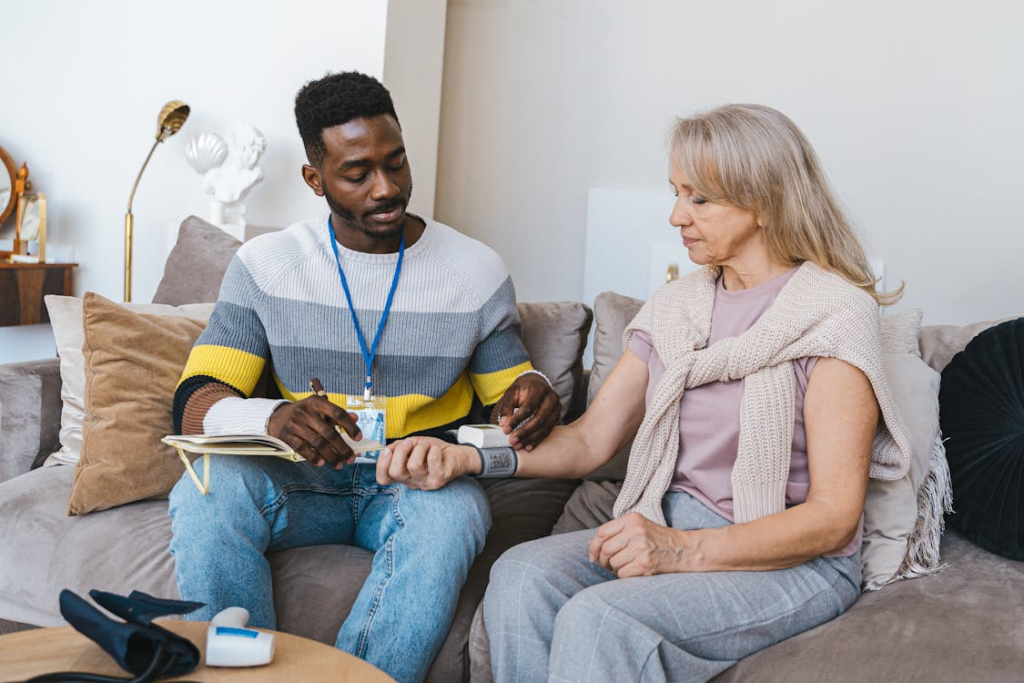
Finding balance is the most meaningful part of providing care for a loved one at home. Using the tools and programs available allows you to focus on your relationship instead of just the chores.
Your dedication makes a lasting impact on the life of your family member. Stay connected to your community and use these resources to keep your journey manageable. Taking care of yourself is the best way to take care of them.