
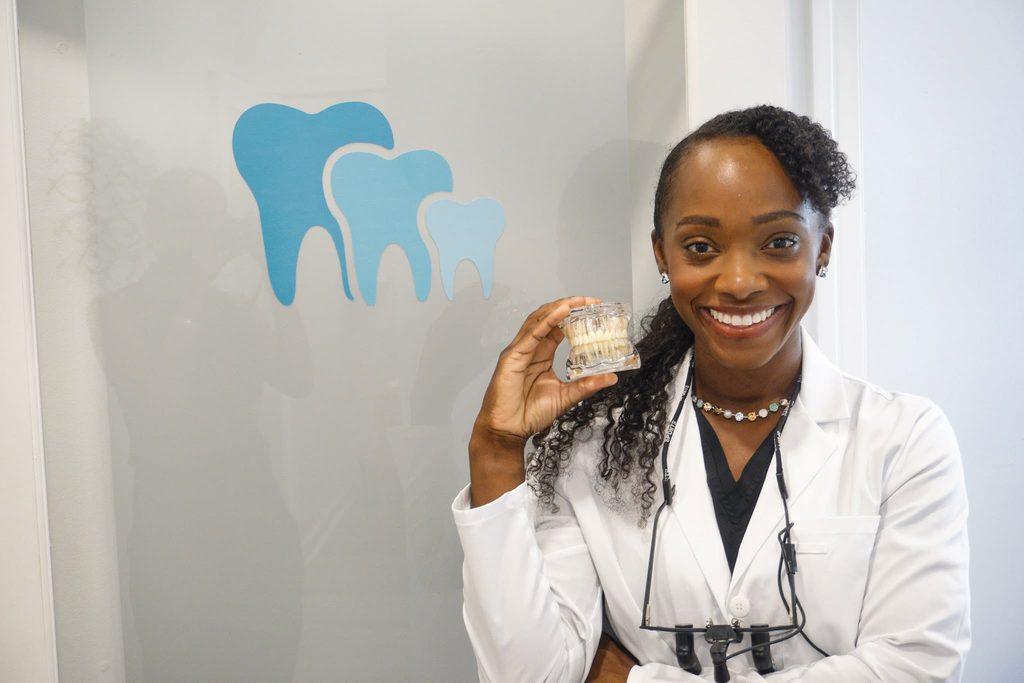
Most families treat dental care as a chore to be checked off twice a year. The American Dental Association consistently reports that over 20% of adults experience moderate to severe anxiety about dental visits. I see this play out constantly. Parents drag reluctant kids to the clinic, and those same parents often ignore their own lingering tooth pain until it requires an emergency visit.
We need to rethink how we approach oral health. It is not just about avoiding cavities or securing a quick cleaning before the school year starts. It is about establishing a sustainable routine and finding a clinical environment that does not trigger a stress response the moment you walk through the door. This guide breaks down what actually matters when managing dental care for a family, from evaluating an office’s physical atmosphere to making smart decisions about long-term restorative treatments.
The physical space changes the clinical experience
For decades, dental offices felt aggressively sterile. You walked in, smelled the eugenol and acrylic, sat under harsh fluorescent lights, and immediately tensed up. That physical environment actively works against patient comfort, especially for young children who are highly sensitive to sensory input.
I spend a lot of time looking at clinical design, and the shift in modern dental practices is noticeable. Clinics are finally realizing that anxiety starts in the waiting room, not the chair. A well-designed reception area—think warm tones, comfortable seating, and perhaps a nod to regional aesthetics like a classic Virginia coastal or welcoming colonial style—signals that the practice values patient comfort.
This matters heavily for families. If your child associates the dentist with a welcoming space rather than a surgical theater, half the battle is won. When you evaluate a new clinic, pay attention to the environment. Does the staff hide behind frosted glass, or is the layout open and inviting? Are the consultation rooms designed for actual conversation, or do they feel like interrogation cells? Modern practices use natural light, digital check-ins, and sometimes even noise-canceling headphones to drown out the high-pitched whine of the instruments. These details tell you exactly how a practice views patient care.
Transitioning from reactive to proactive treatment
A surprising number of adults only schedule an appointment when something hurts. That is the most expensive and painful way to manage your teeth. Proactive care requires a mental shift from fixing immediate problems to managing long-term risk.
Risk management in dentistry comes down to consistency and communication. A good practitioner does not just scrape plaque and send you on your way. They look at your bite alignment, screen for oral cancer, track gum recession over time, and look for signs of nighttime grinding. They should explain why a specific tooth is wearing down faster than the others or how early gum inflammation can actually impact systemic issues like cardiovascular health.
This level of care requires a strong relationship with your provider. You want a team that knows your family’s history and takes the time to explain the science behind their recommendations. For instance, if you are searching for a reliable dentist in tappahannock va, you should prioritize offices that focus heavily on patient education, like Smiles of Westpoint. You want a provider who takes the time to display your digital X-rays on a screen and explain the long-term plan, rather than one who rushes rapidly between four different operating rooms. The goal is to build a baseline of health so that interventions stay minimal and predictable.
Addressing tooth loss with permanent solutions
Even with strict preventive care, adults lose teeth. Genetics, sporting accidents, and old amalgam fillings that finally crack the surrounding enamel all play a role. I talk to many patients who feel deep embarrassment about needing restorative work, but it is a highly common reality of aging.
The conversation around missing teeth used to start and end with traditional bridges or removable dentures. Bridges require a dentist to permanently grind down perfectly healthy adjacent teeth just to support the fake one. Dentures often slip, require messy adhesives, and alter the way food tastes. More importantly, neither option prevents the jawbone from shrinking over time. When a tooth root is removed, the bone in that specific area stops receiving mechanical stimulation from chewing, causing it to literally melt away over the years.
This is why the standard of care has shifted heavily toward implantology. A titanium post acts as an artificial root, integrating directly into the bone through a process called osseointegration. It preserves the jaw structure and looks identical to a natural tooth. The upfront cost is higher, but the long-term failure rate is significantly lower than that of traditional bridges. If you are dealing with a compromised bite and want to understand the current options, I highly recommend you check out dental implants in chesapeake va, where one of the more popular options is Smiles of Chesapeake Family and Cosmetic Dentistry. Seeing the actual mechanics of how an implant restores normal chewing function often helps demystify the procedure and removes the fear of the unknown.
Setting realistic expectations for pediatric care
Kids require a completely different clinical approach. You cannot reason with a four-year-old about the long-term periodontal benefits of daily flossing.
The biggest mistake parents make is unintentionally transferring their own dental anxiety to their children. Kids pick up on nonverbal cues immediately. If you white-knuckle the armrest during your own routine cleaning, your child will assume they should be terrified too.
Keep the language around dental visits neutral at home. Avoid using words like pain, hurt, or shot, even in a reassuring context like “it won’t hurt.” Let the hygienist explain the tools using their own child-friendly terms. Early visits are primarily about desensitization. The dentist counts the teeth, takes a quick look at jaw development, and gets the child used to the feeling of having someone look in their mouth.
As they grow, focus on practical preventive measures. Ask the dentist about sealants for deep grooves in permanent molars and fluoride varnishes to remineralize weak spots. Setting this low-stress baseline prevents the dramatic meltdowns that happen when a child’s very first visit involves a drill and a local anesthetic.
Good dental care is a long-term partnership, not a series of isolated retail transactions. Finding a practice that balances technical skill with actual human empathy completely changes how a family approaches oral health. You do not have to settle for an office that makes you feel rushed, judged, or anxious. Take the time to evaluate the physical environment, ask pointed questions about preventive strategies, and understand your restorative options before you actually need them. When was the last time you felt genuinely comfortable and informed after leaving a dental appointment?