
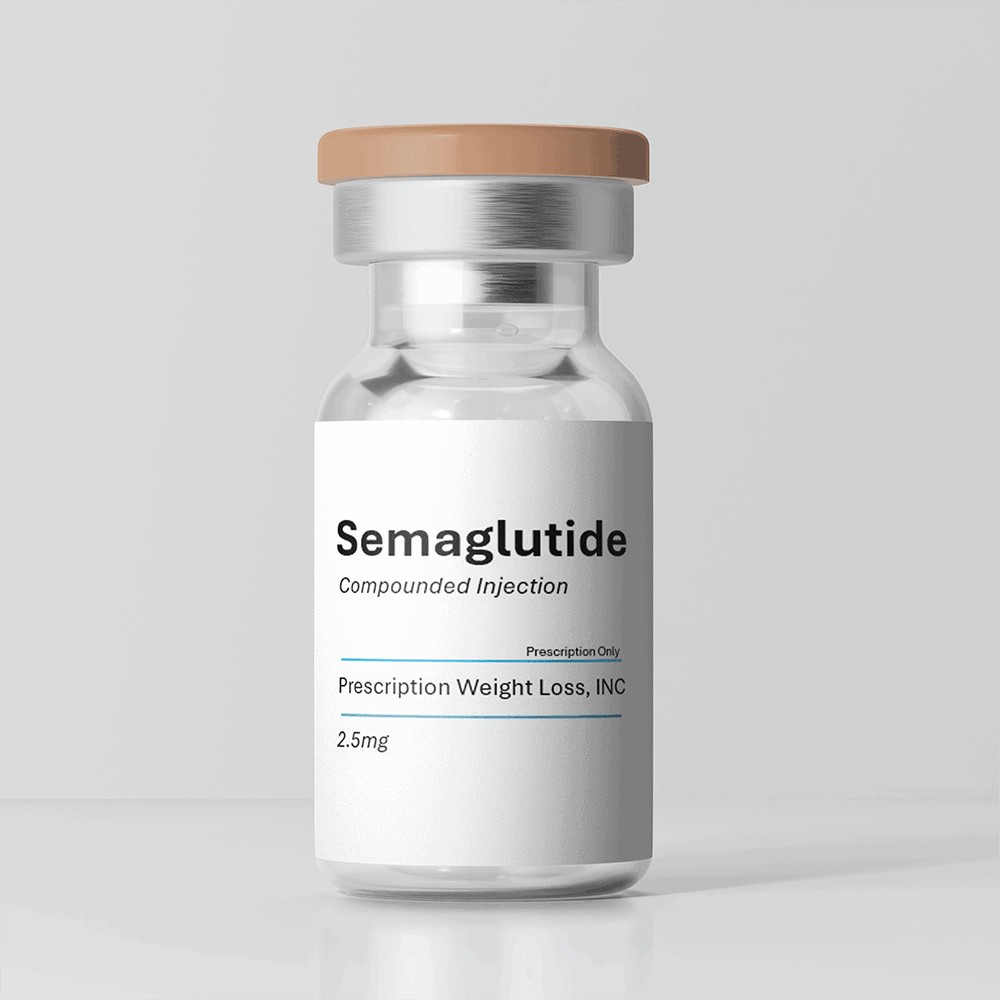
If you have been researching weight management or blood sugar support options, you have probably come across semaglutide more than once. It has become one of the most talked-about treatments in modern medicine, and for good reason: it has shown real, measurable results for many patients. But before jumping in, it helps to understand exactly what this medication is, how it works, and what to expect. For anyone considering a semaglutide treatment in Florida, this guide walks through the essentials so you can start your journey informed and prepared.
What Is Semaglutide?
Semaglutide is a medication originally developed to help manage type 2 diabetes. It belongs to a class of drugs known as GLP-1 receptor agonists, which mimic a naturally occurring hormone in the body called glucagon-like peptide-1. This hormone plays a key role in regulating blood sugar, slowing digestion, and signaling fullness to the brain.
Because of these effects, semaglutide has also become widely used for weight management, even in patients who are not diabetic. Many clinics offering semaglutide treatment in Florida now provide it specifically for weight loss support, alongside lifestyle coaching and nutritional guidance.
The medication is typically administered as a once-weekly injection, though oral versions exist as well. Dosing usually starts low and increases gradually over several weeks or months, allowing the body to adjust and minimizing side effects.
How Semaglutide Works in the Body
Understanding the mechanism behind semaglutide can help new patients feel more confident about starting treatment. Here is a general overview of what happens once the medication is introduced:
Semaglutide slows gastric emptying, meaning food stays in the stomach longer. This contributes to a prolonged feeling of fullness after meals, which naturally reduces calorie intake for many people.
It also acts on areas of the brain that regulate appetite and cravings, specifically the hypothalamus. This can lead to reduced hunger signals and less preoccupation with food throughout the day.
In terms of blood sugar, semaglutide stimulates insulin release when glucose levels are high and reduces the amount of sugar produced by the liver. This dual action helps stabilize blood sugar levels, which is particularly beneficial for those managing type 2 diabetes.
Together, these mechanisms explain why semaglutide has become such a popular option, not just for diabetes management but for sustainable weight loss support as part of a broader treatment plan.
Who Is a Good Candidate for Semaglutide?
Not everyone is automatically a candidate for semaglutide, and this is where working with a qualified provider becomes essential. Generally speaking, candidates fall into a few categories: those with a body mass index (BMI) indicating overweight or obesity, especially when accompanied by weight-related health conditions, and those diagnosed with type 2 diabetes who need additional support managing blood sugar levels.
Providers offering semaglutide treatment in Florida typically conduct a thorough intake process before approving a patient for treatment. This often includes a review of medical history, current medications, and any pre-existing conditions such as pancreatitis, thyroid tumors, or gastrointestinal disorders, which may make semaglutide unsuitable.
Pregnant or breastfeeding individuals are generally advised against starting semaglutide, and anyone with a personal or family history of medullary thyroid carcinoma or Multiple Endocrine Neoplasia syndrome type 2 should discuss alternative options with their provider.
This is why self-prescribing or obtaining semaglutide without proper medical oversight is strongly discouraged. A licensed provider can evaluate your specific health profile and determine whether this treatment aligns with your goals and safety needs.
What to Expect When Starting Treatment
New patients often feel a mix of excitement and uncertainty when beginning semaglutide. Knowing what to expect in the early weeks can make the transition smoother.
Most treatment plans start with a low dose, allowing the body to acclimate before increasing to a therapeutic level. This gradual titration is one of the most effective ways to minimize common side effects, which can include nausea, mild digestive discomfort, fatigue, or constipation during the first few weeks.
Many patients notice appetite changes within the first one to two weeks, even at a starting dose. Weight loss results, however, tend to build over time rather than appearing immediately. Clinics providing semaglutide treatment in Florida often emphasize that this is a gradual process best supported by consistent lifestyle habits, not a quick fix.
Staying hydrated, eating smaller and more balanced meals, and avoiding greasy or heavy foods early in treatment can help reduce nausea and digestive side effects. Most patients find that their bodies adjust within the first month, and side effects become less noticeable as treatment continues.
Regular check-ins with your provider are also a standard part of the process. These appointments allow for dose adjustments, monitoring of progress, and early identification of any concerns, so the treatment plan can be tailored to your individual response.
The Importance of Medical Supervision
One of the most important things new patients should understand is that semaglutide is not a standalone solution; it works best within a structured, medically supervised plan. This typically includes periodic lab work to monitor overall health, including kidney function and blood sugar levels, guidance on nutrition and portion control to support the appetite-reducing effects of the medication, and ongoing dose management based on how your body responds and tolerates treatment.
Choosing a reputable provider matters significantly here. Facilities offering semaglutide treatment in Florida that follow clinical best practices will prioritize patient safety over speed, ensuring the dosing schedule aligns with your specific needs rather than following a generic protocol. Be cautious of providers who skip medical evaluations altogether or offer semaglutide without any follow-up care, since this approach increases the risk of complications and reduces the likelihood of long-term success.
Common Myths About Semaglutide
As semaglutide has grown in popularity, so have misconceptions surrounding it. Clearing up a few of these can help set realistic expectations.
One common myth is that semaglutide works without any lifestyle changes. In reality, the medication is most effective when paired with improved eating habits and physical activity. It is a tool that supports behavior change, not a replacement for it.
Another misconception is that results are instant. While some patients notice appetite changes quickly, meaningful weight loss typically unfolds over several months of consistent use.
Some people also assume semaglutide is only for individuals who are severely overweight. In truth, many candidates fall into a broader range of BMI categories, particularly when weight-related health conditions are present.
Finally, there is a misconception that once you reach your goal weight, you can simply stop the medication permanently with no risk of regaining weight. Because semaglutide works through hormonal pathways, discontinuing treatment without a transition plan can sometimes lead to appetite returning to previous levels. Discussing a long-term maintenance strategy with your provider is an important part of the process.
Potential Side Effects to Watch For
While many patients tolerate semaglutide well, being aware of possible side effects helps you respond appropriately if they arise. The most frequently reported effects include nausea, especially after increasing a dose, mild to moderate digestive changes such as diarrhea or constipation, fatigue, particularly in the first few weeks, and reduced appetite, which is expected but should not become extreme.
Less common but more serious side effects can include signs of pancreatitis, such as severe abdominal pain, gallbladder issues, or allergic reactions. If you experience any of these symptoms, contact your provider immediately rather than waiting for your next scheduled appointment.
This is another reason why ongoing communication with your provider matters so much throughout treatment. A well-managed semaglutide treatment in Florida program will include clear instructions on what symptoms warrant a call versus what can be monitored at home.
Setting Realistic Expectations
Semaglutide has produced impressive results for many patients, but outcomes vary based on factors like starting weight, adherence to the treatment plan, diet, activity level, and individual metabolic response. It is important to approach treatment with patience rather than expecting dramatic changes within the first few weeks.
Tracking progress through measurements beyond just the scale, such as energy levels, clothing fit, and overall well-being, can provide a more complete picture of how the treatment is working. Many providers recommend monthly check-ins to review progress and adjust the plan as needed, rather than making judgments based on short-term fluctuations.
FAQ: Semaglutide Treatment Questions Answered
How long does it take to see results with semaglutide?
Most patients notice appetite changes within the first one to two weeks, though visible weight loss often takes four to eight weeks to become noticeable and continues gradually over several months.
Is semaglutide safe for long-term use?
For many patients, yes, when monitored by a qualified provider. Long-term use should always include regular check-ins and lab monitoring to ensure continued safety and effectiveness.
Will I need to stay on semaglutide forever?
Not necessarily. Some patients transition to a maintenance plan after reaching their goals, while others continue at a lower dose. This decision should be made with your provider based on your individual response.
What should I avoid while taking semaglutide?
- Skipping meals for long periods, which can worsen nausea
- Consuming large, heavy, or greasy meals
- Drinking alcohol in excess, which can increase gastrointestinal side effects
- Starting or stopping the medication without medical guidance
Can I take semaglutide if I am not diabetic?
Yes. Semaglutide is commonly prescribed for weight management in non-diabetic patients who meet specific health criteria, as determined by a licensed provider.
What happens if I miss a dose?
Guidelines vary depending on how much time has passed since your missed dose. Your provider will give you specific instructions, so it is best to contact your clinic directly rather than guessing.
Final Thoughts Before You Begin
Starting semaglutide is a significant decision, and understanding the process beforehand sets the foundation for success. From how the medication works in the body to what side effects to expect and how to choose the right provider, being informed helps you approach treatment with confidence rather than uncertainty.
If you are exploring a semaglutide treatment in Florida, take the time to find a provider who prioritizes thorough evaluations, ongoing support, and realistic goal-setting. With the right guidance and a commitment to lifestyle changes, semaglutide can be a valuable part of a broader, sustainable path toward better health.