
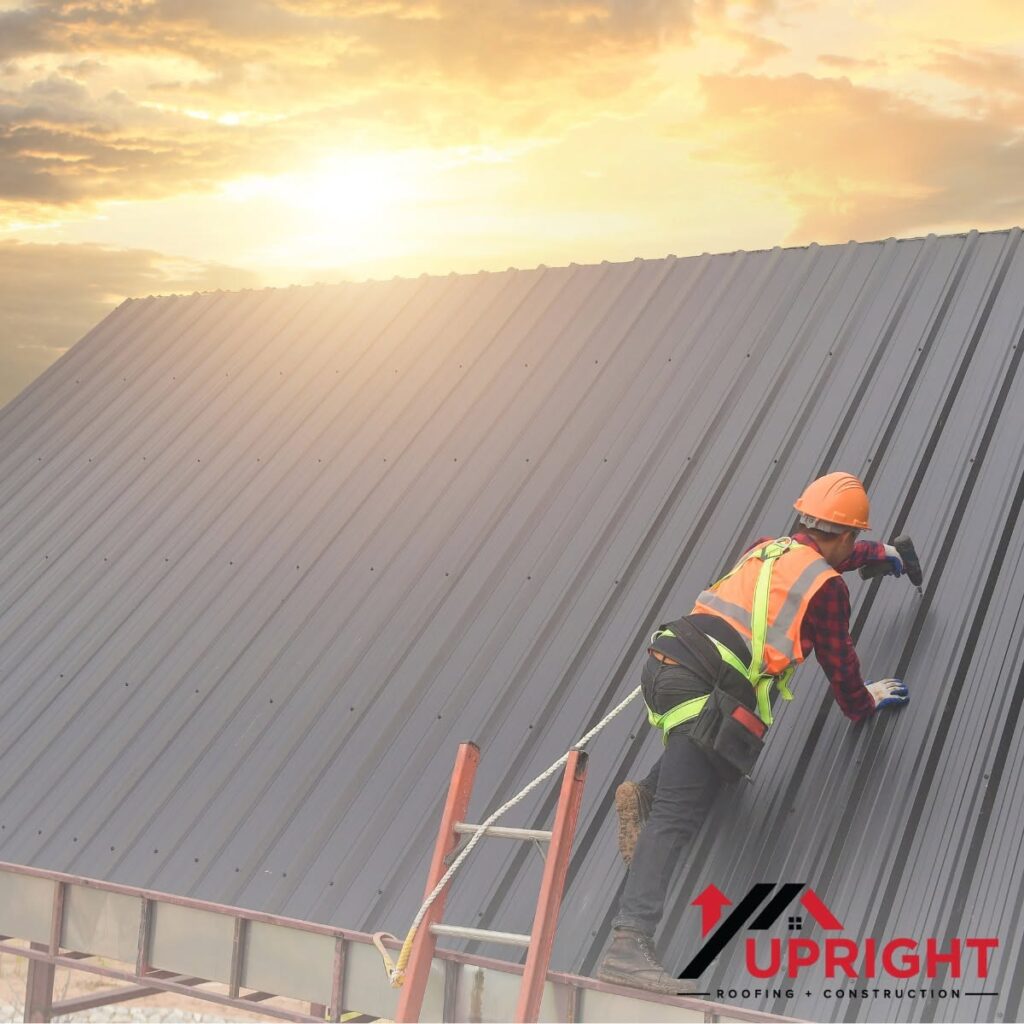
High winds can place unusual pressure on a roofing system even when a storm produces little rain or hail. Air moving across a roof does not affect every surface equally. Edges, corners, ridges, flashing, penetrations, and exposed materials can experience different forces depending on roof shape and wind direction.
Storm-related roofing problems are not always obvious from the ground. Materials may remain in place while becoming loosened, lifted, or damaged around vulnerable transitions. Roof repair after strong winds should therefore be based on a careful assessment of the complete system rather than the assumption that a roof is fine because no shingles are scattered across the yard.
Homeowners can help by documenting visible changes without climbing onto the roof. Upright Roofing and Construction can evaluate areas commonly affected by wind and determine whether observed conditions require professional attention. Understanding where storm stress tends to concentrate makes post-storm inspections more focused and helps homeowners respond appropriately to developing concerns.
Roof Edges Often Receive Significant Wind Pressure
The perimeter of a roof is especially exposed because moving air interacts directly with its edges. Strong gusts can create pressure differences around eaves and rakes, placing stress on roofing materials and the components that secure them.
Damage in these locations may begin with small changes. A material can lift slightly, a fastening point may become stressed, or an edge component can shift without becoming completely detached. These conditions may be difficult to identify from a normal ground-level view.
Homeowners should look for obvious irregularities along visible rooflines after significant wind. Sections that appear raised, displaced, or different from neighboring areas deserve professional evaluation rather than close inspection from a ladder.
Ridges and Peaks Experience Direct Exposure
Roof ridges sit at high points where different roof planes meet, leaving them exposed to moving air from several directions. Depending on the storm, gusts may place repeated pressure on ridge materials throughout the event.
Ridge components perform an important role in completing and protecting these transitions. If individual pieces become displaced or loosened, the surrounding area may become more vulnerable to moisture during later weather.
A professional assessment can compare ridge conditions with undisturbed sections of the roof. Roof repair Coppell, TX decisions should address confirmed damage while also considering whether nearby materials experienced similar wind stress during the same storm.
Valleys Require Careful Post-Storm Evaluation
Valleys form where two roof planes direct water toward the same channel. Their geometry makes them important drainage areas, and wind can carry leaves, twigs, and other storm debris into these lower transitions.
Debris Can Conceal Conditions Beneath It
Accumulated material may make visual assessment more difficult while interfering with normal drainage during subsequent rainfall. Homeowners should not climb onto the roof to remove debris from steep or inaccessible valleys after a storm.
Upright Roofing and Construction can inspect valley areas while evaluating surrounding roofing materials and transitions. The goal is to determine whether wind caused displacement or whether storm debris created another condition requiring attention.
Flashing Can Be Vulnerable at Roof Transitions
Flashing is used around locations where roofing meets walls, chimneys, penetrations, and other transitions. These areas require careful detailing because they help direct water away from joints and changes in the roof surface.
Strong winds may place pressure on surrounding materials or expose previously weakened flashing conditions. A visible change near a chimney or wall does not necessarily identify the full extent of the issue, making closer professional assessment valuable.
Homeowners can monitor ceilings and attic areas for new moisture signs after storms when these spaces are safely accessible. Interior staining does not reveal the exact entry point, but it provides important information that should be reported during an inspection.
Roof Penetrations Deserve Individual Attention
Plumbing vents, exhaust components, and other roof penetrations interrupt otherwise continuous roofing surfaces. Each creates a transition where surrounding materials and flashing need to remain secure.
Wind may affect these locations differently depending on their height, position, and surrounding roof shape. Debris carried through the air can also strike exposed components even when the main roofing surface shows little visible change.
Upright Roofing and Construction can include penetrations in a broader storm evaluation instead of concentrating only on large open roof planes. Inspecting these smaller features helps create a more complete understanding of how the system responded to high winds.
Missing Materials Are Only One Sign of Damage
Homeowners often associate storm damage with shingles or other materials completely torn from the roof. While missing sections clearly deserve attention, wind-related problems can be less dramatic.
Lifted edges, shifted components, damaged accessories, or changes around transitions may remain difficult to see. A roof can therefore look generally intact from the street while containing localized conditions that should be addressed.
Photographs taken safely from the ground can provide a useful record. Comparing images from before and after a storm may help identify changes, particularly around rooflines and other visible features.
Nearby Trees Can Add Another Source of Stress
Wind does not affect only roofing materials. Branches, leaves, and other debris can be carried onto the roof, creating impacts or collecting in drainage areas. Overhanging limbs may also move significantly during strong gusts.
After severe weather, homeowners can inspect the yard for fallen branches and look for visible debris on the roof without approaching unstable trees or climbing onto the structure. A branch found near the house may provide useful context even if the point of impact is not immediately visible.
Tree-related damage should be distinguished from wind pressure on the roofing system itself. Both can occur during the same storm and may affect different sections of the roof.
Check Gutters and Roof Drainage From Safe Locations
Gutters sit along roof edges, where they may experience wind, falling debris, and increased water flow during storms. Loose sections or visible changes can affect how rainfall moves away from the building after the weather clears.
Homeowners should observe whether gutters appear displaced or whether downspouts discharge differently during later rainfall. Overflow may have several possible causes, including debris accumulation, so the symptom should be evaluated rather than immediately attributed to one problem.
Drainage observations also provide information about nearby roof edges. Changes occurring simultaneously after a storm can help professionals understand which parts of the exterior experienced the greatest stress.
Avoid Walking on the Roof After a Storm
A roof that looks stable may contain loose materials, wet surfaces, hidden damage, or storm debris. Walking across it without appropriate equipment and experience creates unnecessary risk and may disturb already weakened components.
Ground-level observations are usually more appropriate for homeowners. Look for material in the yard, visible roofline changes, gutter movement, or interior moisture symptoms. Record what can be seen without attempting hands-on testing.
Professional roof repair begins with determining what actually happened. Preserving the condition of affected areas until they can be evaluated may provide useful evidence about the direction and extent of storm damage.
Document Changes Before Conditions Shift Again
Storm conditions can change quickly after the main weather event passes. Loose debris may move during later winds, temporary staining can dry, and additional rainfall may affect already damaged areas. Early documentation creates a reference point.
Take photographs of visible exterior changes and any safely observable interior symptoms. Note approximately when the storm occurred and when each condition was discovered. This information can make later conversations more precise.
Homeowners should also mention whether roofing problems existed before the storm. Distinguishing new changes from known older conditions supports a more accurate evaluation of what the wind event may have affected.
Use a Systematic Inspection After Strong Winds
High winds can stress several parts of a roof differently, which is why post-storm evaluation should extend beyond missing surface materials. Edges, ridges, valleys, flashing, penetrations, gutters, and areas near trees can each respond differently to the same weather event.
Roof repair should follow identified conditions rather than assumptions based on how severe the storm sounded or how the roof appears from a distance. Careful inspection helps separate undamaged areas from sections where wind or debris created a specific concern.
With professional evaluation from Upright Roofing and Construction, homeowners can gain a clearer understanding of how their roofing system responded to strong winds. A focused assessment after significant weather helps identify localized problems, supports appropriate corrective work, and prepares the roof to continue handling future rain, wind, and seasonal exposure.