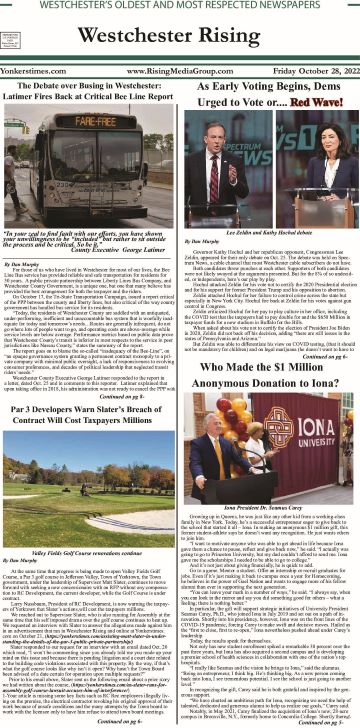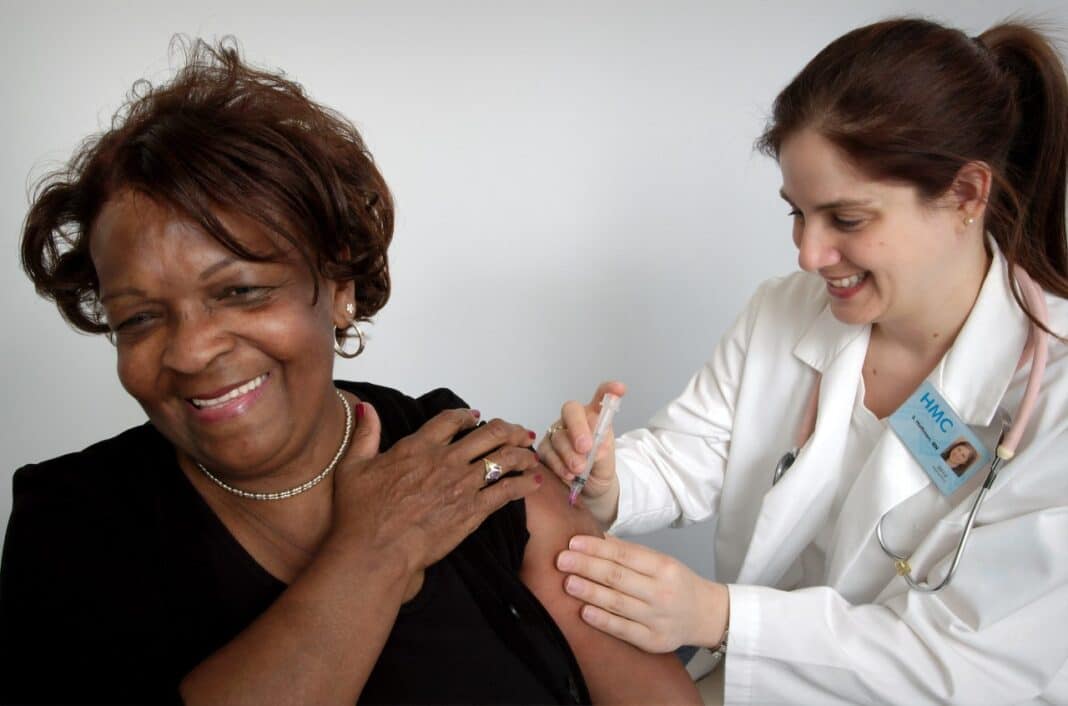

A study released this summer found that getting an annual flu vaccination was associated with a 40 percent decrease in the risk of developing Alzheimer’s disease over the next four years. The same researchers, who are from The University of Texas’ McGovern Medical School, conducted an earlier study presented at the Alzheimer’s Association International Conference that found that a single flu vaccination could reduce the risk of Alzheimer’s by 17 percent and additional vaccinations in a lifetime reduced it even more.
“Our study suggests that regular use of a very accessible and relatively cheap intervention — the flu shot — may significantly reduce risk of Alzheimer’s dementia,” said Dr. Albert Amran, who was involved in the research at The University of Texas.
The newer study included more than 2 million people over age 65. Previous studies were smaller and often focused on people with chronic health conditions. By including a more general group of older adults, the new study’s results add weight to the idea that a flu shot could reduce Alzheimer’s risk.
YOUR MEMORY & INFECTIONS: KNOW YOUR RISK
Prior studies have found that infections — including the flu, pneumonia, urinary tract infections, gum disease, and COVID-19 — are associated with the onset and worsening of memory and thinking problems.
It’s not surprising then that researchers have also found an association between vaccinations and a decreased risk of dementia. A study at Duke University’s Social Science Research Institute found that getting a vaccination against pneumonia between the ages of 65 and 75 reduced Alzheimer’s risk by up to 40 percent. Similar results have been found in recent studies of people who received tetanus, diphtheria, pertussis (Tdap); hepatitis; or shingles vaccinations.
“These findings are important because anything we can do to decrease the number of people with Alzheimer’s has vast benefits. Preventing or delaying the progression of Alzheimer’s lowers the burden on family caregivers, and on our state’s health systems,” said Doris Saintil Phildor, MPH, the New York Health Systems Director at the Alzheimer’s Association.
To learn more about risk factors for Alzheimer’s and ways to reduce your risk, visit www.alz.org/alzheimers-dementia/what-is-alzheimers/causes-and-risk-factors