Learn how qr marketing helps brands connect print, outdoor ads, digital campaigns, and interactive advertising with fast customer actions
qr marketing helps businesses connect physical advertising with digital customer actions. With a qr code generator digital marketing, brands can create scannable codes for posters, flyers, brochures, product packaging, business cards, event materials, outdoor ads, and social media campaigns. Instead of asking people to search for a website or type a long link, a QR code gives them a direct path to the right page.
This makes marketing easier for both businesses and customers. A person can scan a code and instantly open a landing page, discount offer, booking form, product catalog, video, app download, or social media profile. The process feels quick, simple, and natural, especially because most people already use their phones throughout the day.
For brands, QR codes are useful because they turn passive advertising into active engagement. A printed ad does not have to end with a short message. It can lead people to a full campaign, collect leads, drive sales, increase followers, or help measure interest in a specific offer.
QR Code Generator Digital Marketing for Campaign Growth
A qr code generator digital marketing strategy can help brands make every campaign more connected. Digital marketing is usually focused on clicks, forms, views, and conversions. QR codes bring those same actions into offline spaces. A customer may first see a brand on a poster, flyer, package, or event banner, but the QR code moves them online in seconds.
This is useful for local businesses, online stores, restaurants, service providers, real estate agencies, schools, events, and product brands. A QR code can send users to a campaign page, appointment form, online menu, limited-time coupon, review page, or sign-up form. It helps reduce the gap between seeing an offer and taking action.
A qr code generator digital marketing approach also supports better tracking. Businesses can create different codes for different channels. One code can be used on flyers, another on posters, another on packaging, and another at an event. This makes it easier to understand which materials bring the most scans and which campaign locations perform better.
To get strong results, the page behind the QR code should match the campaign message. If the ad says “Scan for 20% off,” the landing page should show the offer immediately. If the code invites people to book a service, the page should open a simple booking form. Clear paths usually bring better engagement.
QR Code for Print Advertising That Drives Action
A qr code for print advertising makes printed materials more useful. Flyers, brochures, magazines, catalogs, menus, posters, coupons, and direct mail can all become interactive when they include a QR code. Instead of giving people only a phone number or website address, brands can guide them straight to the next step.
For example, a restaurant flyer can open a menu or delivery page. A real estate brochure can lead to a property tour. A product catalog can connect shoppers to an online store. A school flyer can open an enrollment form. A clinic brochure can guide users to appointment booking or service details.
A qr code for print advertising should always have a clear purpose. People should know why they are scanning. Short calls-to-action like “Scan to order,” “Scan to book,” “Scan for details,” “Scan to get the offer,” or “Scan to view catalog” help users understand what will happen after the scan.
Design also matters. The QR code should not be too small or hidden in a busy layout. It needs enough space around it and strong contrast so phones can read it easily. If the printed material is handed out in public, the code should be placed where people can see it quickly.
The biggest benefit of QR codes in print is convenience. A person may not keep a flyer forever, but if the QR code takes them to a useful page, they can act right away or save the link for later.
QR Code Outdoor Advertising for High-Visibility Campaigns
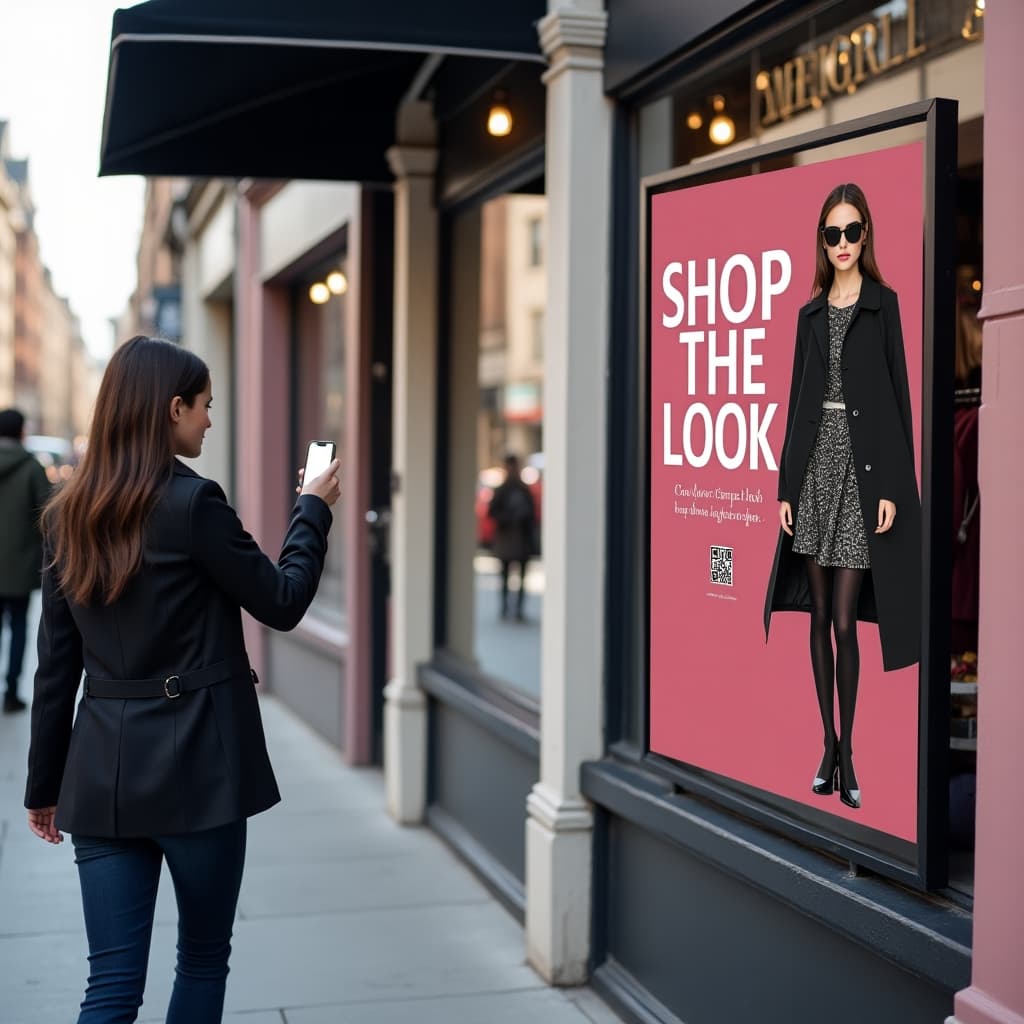
qr code outdoor advertising can help turn public attention into online visits. Outdoor advertising includes billboards, posters, bus stops, transit ads, store windows, banners, event stands, signs, and street displays. These placements often get strong visibility, but users need a simple way to respond. A QR code can provide that path.
For local businesses, qr code outdoor advertising can be especially powerful. A gym can place a QR code on a window sign that opens a free trial form. A restaurant can use a street poster to send people to a menu. A retail store can promote a seasonal sale. A real estate agency can add a QR code to a property sign so people can view more photos and contact the agent.
However, outdoor QR codes need careful planning. The code must be large enough to scan from the expected distance. It should be placed where people have time to scan safely and comfortably. A QR code on a small moving vehicle or a faraway billboard may not work as well as a code on a bus stop poster, shop window, event banner, or property sign.
A strong call-to-action is also important. People often see outdoor ads quickly, so the message should be short and clear. “Scan for menu,” “Scan for tickets,” “Scan for directions,” or “Scan for offer” can help increase scans.
The landing page should also load fast. Outdoor scans usually happen on mobile data, so slow pages can hurt results. A simple, mobile-friendly page works best.
Interactive Advertising QR Code for Better Engagement
An interactive advertising qr code turns a regular ad into a two-way experience. Instead of only showing information, the ad invites people to do something. They can watch a video, claim a discount, answer a survey, join a contest, register for an event, follow a social media page, or open an augmented product experience.
This type of advertising can make campaigns more memorable. People are more likely to remember an ad if they interact with it. A brand can use an interactive advertising qr code to tell a deeper story, show product benefits, collect feedback, or guide users into a personalized journey.
For example, a fashion brand can link a print ad to a lookbook. A food company can connect packaging or posters to recipes. A music event can lead users to a playlist or ticket page. A charity campaign can open a donation form. A hotel can link travelers to local guides or booking offers.
Interactivity also gives brands more data. Scans can show which placements attract attention and which campaign messages encourage action. This helps improve future campaigns and understand customer behavior better.
How to Plan a QR Marketing Campaign
A good qr marketing campaign starts with one clear goal. The goal may be sales, bookings, sign-ups, reviews, downloads, followers, event registrations, or customer education. Once the goal is clear, it becomes easier to choose the right QR code destination.
The next step is choosing placement. A QR code on a printed flyer should be designed differently from one on a large outdoor poster. A QR code on packaging should be placed where customers naturally look. A QR code at an event should be easy to scan while people are standing or walking.
The message near the code should be simple. Users should not have to guess what the QR code does. A clear call-to-action can improve scan rates and make the experience feel more trustworthy.
Testing is also important. Before publishing or printing any campaign, scan the QR code with different phones. Check the link, page speed, mobile layout, and design quality. A broken or hard-to-scan code can waste the campaign budget.
Conclusion
qr marketing is a practical way to connect offline attention with online action. It helps brands make print ads, outdoor campaigns, product materials, and event promotions more useful and measurable.
With a smart qr code generator digital marketing strategy, a clear qr code for print advertising, effective qr code outdoor advertising, and an engaging interactive advertising qr code, businesses can create campaigns that are easier to scan, easier to track, and easier for customers to act on.