
For years, people pictured package theft as something that happened on suburban porches: a box left by the front door, a stranger walking up the driveway, and a doorbell camera catching it all. In many Yonkers apartment buildings, the problem looks different.
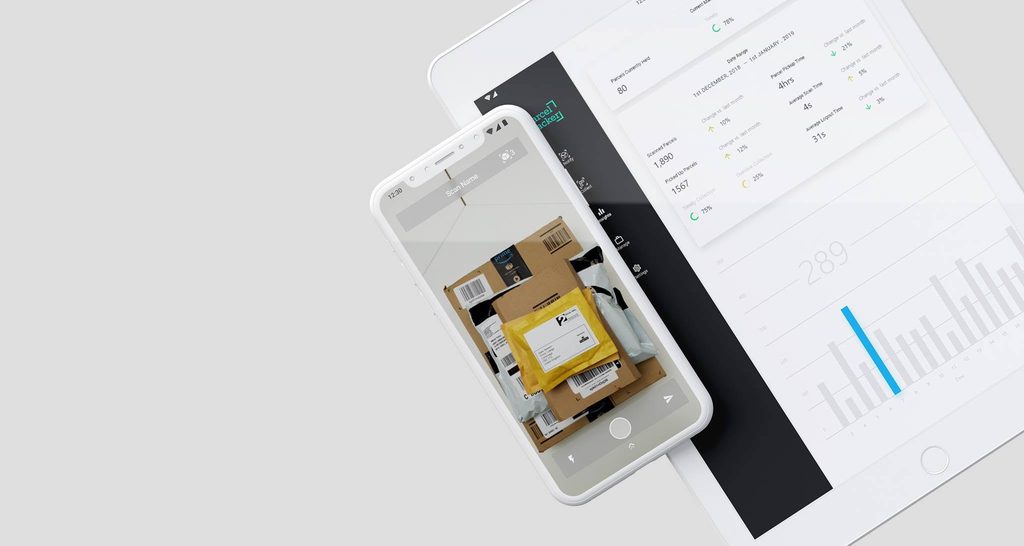
Parcels are getting past the front door just fine, only to disappear from crowded lobbies, unlocked mail areas, and overflowing package rooms where anyone with building access can browse the shelves. That shift is pushing landlords and property managers to rethink delivery, and many are adopting automated residential parcel management software to bring order and accountability to spaces never designed for today’s volume.
The goal isn’t to turn lobbies into vaults. It’s to make sure every package has a clear path from the courier’s hands to the right resident.
From the Stoop to the Lobby
Most apartment buildings solved the porch problem years ago by having carriers leave packages inside. That kept boxes out of sight from the street, but it created a new weak spot. Once a parcel is inside, it often sits in an open lobby or shared room with no record of when it arrived or who picked it up.
In a building with dozens or hundreds of units, residents, guests, contractors, and delivery drivers pass through common areas all day. A package left in plain view becomes easy to take, and without any tracking, it’s nearly impossible to prove what happened.
Moving packages indoors solved one problem. It didn’t answer who’s watching them once they’re inside.
Why Package Rooms Became Targets
Online shopping has grown steadily, and apartment residents order everything from groceries to household goods. Many buildings now receive more packages in a day than they once did in a week.
Package rooms that started as a convenient corner or closet are now over capacity. Boxes stack on the floor, labels face the wall, and residents dig through piles looking for their own deliveries. In that kind of environment, honest mistakes happen as often as theft, with residents walking off with a box that looks like theirs.
Older Buildings, Newer Problems
Yonkers has a mix of housing, from older walk-ups and prewar buildings to newer waterfront developments. Older properties often weren’t built with package storage in mind at all. Some have no dedicated room, leaving lobbies or vestibules to absorb the overflow.
Newer buildings may include package rooms or lockers, but even those can fall behind as delivery volume grows. In both cases, the challenge is less about space and more about a process that tracks every parcel.
What a Secure Package Room Looks Like
Rethinking a package room usually means changing both the physical setup and the way deliveries are recorded.
| Area | Typical Setup | Rethought Setup |
| Access | Open to anyone in the building | Restricted to staff, keycard, or code |
| Storage | Boxes piled on the floor and shelves | Labeled shelves or lockers by unit |
| Records | None, or a paper notebook | Every parcel scanned and logged |
| Notification | Residents check manually | Automatic alerts on arrival |
| Pickup | Residents take what they find | Confirmed with signature, code, or photo |
Not every building needs every upgrade. Even a few changes, such as logging deliveries and limiting access, can make a noticeable difference.
Logging Every Parcel at the Door
The most important change is recording parcels when they arrive. Scanning a label with a phone or tablet captures the carrier, tracking number, recipient, and time to the second. Adding a storage location, such as a shelf or locker number, makes each package easy to find later.
That record changes the conversation when something goes missing. Instead of a frustrating back-and-forth between residents, management, and the carrier, the building can show exactly when the package came in and where it was stored.
Notifications and Pickup Records
Once a parcel is logged, residents should know right away. Automatic texts or emails let people collect deliveries sooner, reducing the time packages sit unattended and keeping storage from overflowing.
At pickup, a quick confirmation closes the loop. A signature, scan, or photo shows who collected the parcel and when. If a resident later reports a missing package, the record makes it clear whether someone picked it up and who.
A package room without pickup records relies on trust. One with records relies on facts.
Lockers, Cameras, and Access Control
Smart lockers have become a popular option in larger buildings. Carriers or staff place parcels in individual compartments, and residents receive a code to open them. Lockers reduce crowding and work well for people with unpredictable schedules.
Cameras and keycard access add another layer, but they work best alongside a logging system. Footage can show someone entering a room, but without delivery records, it’s hard to know which package they took or whether it belonged to them.
Getting Residents on Board
Any new system works better when residents understand it. Clear signage, a short welcome note explaining how deliveries work, and reminders about pickup deadlines all help. Asking residents to include their full name and unit number on orders also reduces misrouted parcels.
Building staff should be part of the planning, too. They see where packages pile up, when things get busiest, and which problems come up most often.
A Safer Path From Courier to Door
Package theft in Yonkers apartment buildings hasn’t vanished. It has moved indoors, into spaces that were never designed for the number of deliveries residents now receive.
Buildings that are getting ahead of the problem focus on the basics: controlled access, organized storage, a record of every arrival, quick notifications, and confirmed pickups. With those in place, the package room stops being a free-for-all and becomes what residents expect it to be: a safe place for their deliveries to wait.