
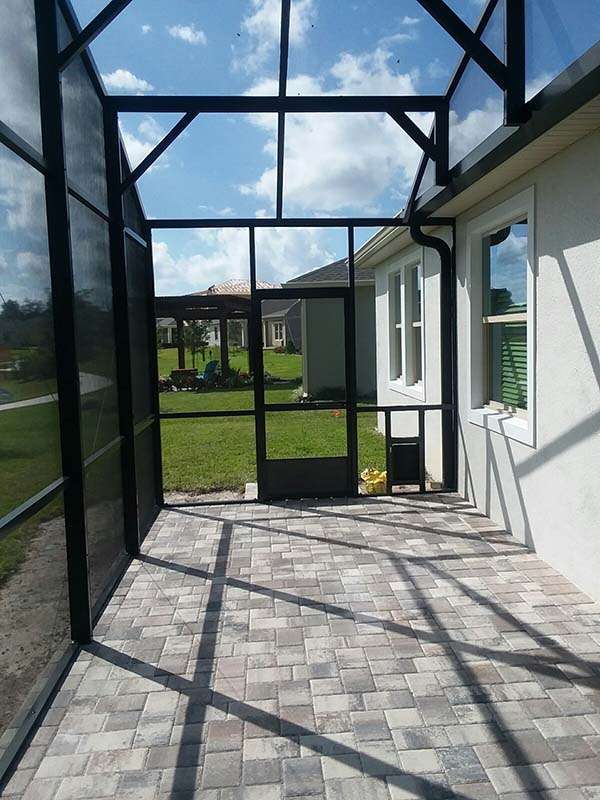
Adding a patio screen enclosure is one of the most popular home improvement projects for homeowners who want to enjoy the outdoors while minimizing many of the common frustrations that come with open-air living spaces. A screened enclosure can create a comfortable environment for relaxing, entertaining guests, dining outdoors, or simply enjoying fresh air without constantly dealing with insects, debris, excessive sun exposure, or unpredictable weather conditions. Beyond enhancing comfort, a professionally installed enclosure can also improve a home’s functionality, appearance, and overall value.
One of the first questions homeowners ask when considering this type of project is about the patio screen enclosure cost. While many people begin searching for a simple price range, the reality is that enclosure costs can vary significantly depending on numerous factors. The size of the patio, materials used, design complexity, location, local building requirements, and customization options all influence the final investment.
Understanding what drives pricing can help homeowners create realistic budgets and make informed decisions throughout the planning process. Rather than focusing solely on the lowest price, it is important to evaluate the overall value of the project, including durability, quality, long-term maintenance requirements, and potential return on investment. This guide explores the factors that affect patio screen enclosure cost and what homeowners should expect when planning for a screened outdoor living space.
Why Homeowners Invest in Patio Screen Enclosures
Patio screen enclosures offer a variety of benefits that make them attractive additions to homes in many climates.
Common advantages include:
- Increased outdoor comfort
- Protection from insects
- Reduced exposure to debris
- Enhanced outdoor entertaining space
- Improved airflow
- Added shade
- Increased property appeal
- Better utilization of outdoor areas
Many homeowners find that a screened patio effectively creates an additional living space that can be enjoyed throughout much of the year.
Because of these benefits, patio screen enclosures often remain one of the most sought-after outdoor improvement projects.
Understanding Average Patio Screen Enclosure Cost
The total patio screen enclosure cost varies depending on project size, materials, and customization.
Homeowners should understand that pricing can range from relatively modest investments for simple enclosures to significantly larger budgets for custom-designed structures.
Several variables influence pricing, including:
- Patio dimensions
- Structural requirements
- Roofing options
- Screen materials
- Labor costs
- Permit fees
- Geographic location
- Custom features
Rather than focusing exclusively on average pricing figures, homeowners should evaluate how each of these factors contributes to overall project costs.
Size Is One of the Biggest Cost Factors
The size of the enclosure plays a major role in determining overall expenses.
Larger enclosures generally require:
- More framing materials
- Additional screening
- Increased labor
- Larger foundations in some cases
As the square footage increases, material and labor requirements typically rise accordingly.
Common Patio Sizes
Projects may range from:
- Small patios for individual seating areas
- Medium-sized family gathering spaces
- Large entertainment areas
- Expansive pool and patio enclosures
A larger enclosure often delivers greater functionality, but it also increases the overall project investment.
Material Selection Impacts Pricing
Materials represent another major component of patio screen enclosure cost.
The materials chosen affect not only upfront expenses but also long-term durability and maintenance requirements.
Aluminum Framing
Aluminum remains one of the most popular enclosure materials.
Benefits include:
- Durability
- Corrosion resistance
- Low maintenance
- Lightweight construction
Many homeowners choose aluminum because it offers an excellent balance between affordability and longevity.
Steel Framing
Steel provides additional strength but may increase costs.
Advantages include:
- Structural durability
- Enhanced stability
- Strong wind resistance
However, steel may require more maintenance depending on environmental conditions.
Wood Framing
Some homeowners prefer wood for its aesthetic appeal.
Benefits include:
- Natural appearance
- Design flexibility
- Traditional architectural compatibility
Potential drawbacks include:
- Increased maintenance
- Susceptibility to moisture
- Higher long-term upkeep costs
Material selection should balance appearance, performance, and budget considerations.
Screen Options Affect Overall Cost
Not all screen materials are the same.
The type of screening selected can significantly influence both performance and patio screen enclosure cost.
Standard Fiberglass Screens
Fiberglass screens are widely used because they offer:
- Affordability
- Good visibility
- Insect protection
- Easy maintenance
They are often sufficient for many residential applications.
Heavy-Duty Screens
For homeowners seeking greater durability, stronger screening materials may be available.
Benefits can include:
- Increased tear resistance
- Longer lifespan
- Better performance in high-traffic areas
Specialty Screens
Premium options may offer additional benefits such as:
- Enhanced privacy
- Solar protection
- Reduced glare
- Improved airflow control
These upgrades generally increase overall project costs.
Roofing Choices Influence Pricing
Some screened patios include only screen walls, while others incorporate roofing systems.
Roofing choices can dramatically affect project budgets.
Screen Roof Structures
Basic screen roofs provide:
- Open-air feel
- Air circulation
- Insect protection
These options may be among the more affordable solutions.
Solid Roof Systems
Solid roofs offer greater protection from:
- Rain
- Direct sunlight
- Falling debris
Advantages include:
- Increased comfort
- Improved weather protection
- Expanded year-round usability
However, solid roofing systems often involve higher material and installation costs.
Insulated Roof Panels
Premium roof systems may feature insulated panels designed to improve comfort.
Benefits include:
- Better temperature control
- Reduced heat transfer
- Enhanced energy efficiency
These upgrades generally increase project pricing but may improve long-term enjoyment.
Custom Design Features Add Value and Cost
Many homeowners choose to personalize their enclosures with custom features.
Popular upgrades include:
- Decorative columns
- Specialty doors
- Integrated lighting
- Ceiling fans
- Electrical outlets
- Outdoor entertainment systems
- Privacy walls
- Architectural enhancements
While these additions improve functionality and aesthetics, they also increase the overall patio screen enclosure cost.
Homeowners should prioritize features that align with their intended use of the space.
Labor Costs Vary by Region
Labor often represents a significant portion of any enclosure project.
Several factors influence labor expenses:
- Local wage rates
- Contractor experience
- Project complexity
- Site accessibility
- Construction timelines
Why Contractor Selection Matters
Choosing an experienced contractor can provide several advantages:
- Higher-quality workmanship
- Better code compliance
- Accurate project estimates
- Reduced risk of future repairs
While lower bids may seem appealing, quality installation is critical for long-term performance.
Permit and Inspection Expenses
Many patio enclosure projects require permits and inspections.
Requirements vary by municipality and project scope.
Potential costs may include:
- Building permits
- Engineering reviews
- Inspection fees
- Zoning approvals
Homeowners should verify local requirements early in the planning process.
An experienced contractor can often assist with permit acquisition and regulatory compliance.
Site Conditions Can Affect Pricing
Every property presents unique conditions that may influence project costs.
Potential site-related factors include:
- Uneven terrain
- Existing patio condition
- Drainage concerns
- Accessibility challenges
- Structural modifications
Projects requiring significant site preparation often involve additional expenses.
Existing Patio Evaluations
Before installation, contractors typically assess whether the existing patio can support the enclosure.
Issues that may require correction include:
- Cracks
- Settlement
- Drainage problems
- Structural deficiencies
Addressing these concerns before construction helps ensure long-term stability.
Geographic Location Influences Costs
Where a homeowner lives can significantly affect pricing.
Factors may include:
- Regional labor rates
- Material availability
- Local demand
- Building code requirements
- Climate-related construction standards
For example, coastal regions may require additional structural considerations related to wind resistance and corrosion protection.
These requirements can influence both materials and installation methods.
Maintenance Considerations and Long-Term Costs
When evaluating patio screen enclosure cost, homeowners should consider long-term maintenance requirements as well as initial installation expenses.
Maintenance may involve:
- Screen repairs
- Cleaning
- Frame inspections
- Hardware replacement
- Roof maintenance
Selecting durable materials often reduces long-term ownership costs.
Low-Maintenance Materials
Popular low-maintenance choices include:
- Aluminum framing
- Powder-coated finishes
- High-quality screening systems
While these materials may increase upfront expenses, they often provide greater long-term value.
Return on Investment and Home Value
A patio screen enclosure can contribute to overall property appeal.
Potential benefits may include:
- Enhanced curb appeal
- Improved outdoor functionality
- Increased buyer interest
- Expanded usable living space
Although ROI varies depending on location and market conditions, many homeowners view screened enclosures as desirable upgrades.
The value often extends beyond resale potential by improving everyday enjoyment of the property.
Questions to Ask Before Requesting Estimates
Before meeting with contractors, homeowners should consider several important questions.
These include:
- How will the space be used?
- What level of weather protection is desired?
- What maintenance requirements are acceptable?
- Is year-round use a priority?
- What is the available budget?
- Are custom features important?
Answering these questions can help narrow design options and improve estimate accuracy.
Ways to Maximize Value Without Overspending
Homeowners can often manage patio screen enclosure cost effectively through careful planning.
Strategies may include:
- Prioritizing essential features
- Choosing durable materials
- Comparing multiple contractor bids
- Avoiding unnecessary upgrades
- Planning for future additions
The goal is to create a space that balances functionality, aesthetics, and affordability.
Rather than focusing solely on minimizing costs, homeowners should evaluate the overall value provided by the completed project.
Creating an Outdoor Space Worth the Investment
Understanding patio screen enclosure cost involves much more than reviewing a single price estimate. The final investment depends on a wide range of factors, including enclosure size, materials, roofing systems, labor expenses, permits, site conditions, and customization choices. While costs can vary considerably from one project to another, homeowners who take the time to understand these variables are better equipped to make informed decisions and establish realistic expectations. A well-designed patio screen enclosure can transform an underutilized outdoor area into a comfortable and functional extension of the home, providing years of enjoyment while potentially enhancing property value. By focusing on quality materials, professional installation, and thoughtful design, homeowners can create a space that delivers lasting benefits and strong overall value for their investment.