
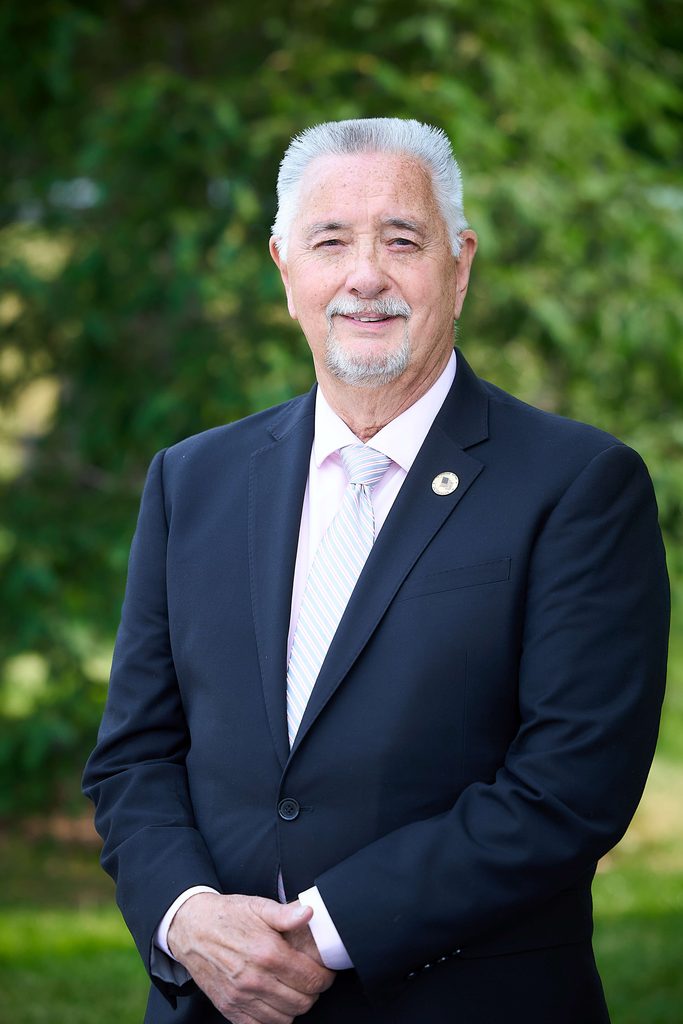
Mt. Pleasant Supervisor Carl Fulgenzi
The following is a message from Supervisor Carl Fulgenzi:
Let’s talk about the future of Mount Pleasant, property taxes, and the truth about development in our town.
I was born and raised right here in Mount Pleasant. If anyone has witnessed the decades of growth, change, and evolution in our community, it’s me. But over those same decades, I have also witnessed the painful flip side: a complete lack of investment in certain areas of our town that have quietly suffered and stagnated over the years.
That is exactly why my administration hasn’t just sat back. We have actively stepped up to fix this by launching vital streetscape projects designed to incentivize local property owners to invest in and improve their buildings. On the Elwood Avenue corridor in Hawthorne, our revitalization efforts are already two-thirds complete. Next year, the Broadway area in Valhalla is officially on the calendar for the exact same transformation.
Lately, a small group of residents has voiced concerns that our town is growing too fast, with some even calling for a moratorium to freeze new projects. I completely understand that seeing change can cause anxiety. But as someone who loves this town deeply—and as your local leadership—it is my job to look at the data and find the right balance so our local business districts thrive while our taxpayers remain protected.
Here is the reality of where Mount Pleasant actually stands:
1. The “Overdevelopment” Myth vs. Reality
Three years ago, when we updated our Master Plan (“Envision Mount Pleasant”), critics warned that developers would flood our transit-oriented areas, tear down buildings, and drastically alter our hamlets. That simply never happened. The market didn’t explode with runaway growth. Instead, our Master Plan did exactly what it was designed to do: it put a strict leash on developers. Our Hamlet Business District zoning enforces 23 highly restrictive requirements on building length, setbacks, open space, and density. We aren’t overdeveloping; we are strictly controlling.
2. The 3 Projects on Our Radar Are in Extensive Review—Not Fast-Tracked
Look at the actual inventory of what is on our radar. We do not have dozens of developers knocking down our doors. We have exactly two projects in the formal planning stages and one early-stage proposal moving very slowly. All of them face years of rigorous engineering, public input, and strict environmental review (SEQR):
- Pocantico Lake Subdivision: A proposed 25-lot cluster development near the western shore.
- Fieldwood Golf Course Community: A proposed private country club and housing community on 214 acres of former Rockefeller property along Sleepy Hollow Road.
- The Cedar Knolls Proposal: An early-stage discussion to subdivide a portion of the Linda Avenue campus into approximately 87 single-family homes, while protecting over 30 acres of permanent open space.
Because of our intense vetting and environmental standards, these projects will take well over a year or more just to move forward. Passing a 6-month moratorium does absolutely nothing to change that timeline—it just creates a redundant, costly legal headache for the town.
3. The Simple Math of Your Property Taxes
We all want to keep Mount Pleasant affordable, but under New York State’s strict property tax cap laws, we face a mathematical reality. Inflation and the costs to run our town go up every year. If we freeze our tax base by halting new projects and cutting off new investment, we only have two options to balance the budget:
- Drastically raise property taxes on existing homeowners to make up the difference.
- Severely cut public services and infrastructure upkeep.
Controlled development brings in new, non-residential revenue. It expands our tax assessment roll, which is the single most important tool we have to protect your wallet and fully fund our local school districts without overburdening families.
The Bottom Line
Throughout New York, successful towns know that responsible, measured growth is a defensive shield for the taxpayer. Stagnation is what causes neighborhoods to suffer. Controlled development is not “overdevelopment”—it is how we revitalize neglected areas like Hawthorne and Valhalla, protect our town’s unique character, and ensure we generate the revenue needed to keep Mount Pleasant stable, affordable, and strong.
We will continue to move forward with complete transparency, caution, and a steadfast commitment to your wallet and our community’s future.