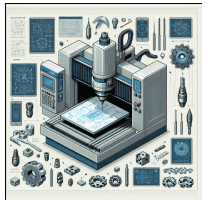
Unlock the secrets of precision machining with our comprehensive guide to CNC prototyping. Mastering these techniques is crucial for any aspiring engineer or seasoned machinist looking to create high-quality prototypes efficiently. Delve into the world of computer numerical control, where cutting-edge software and hardware combine to produce intricate designs with pinpoint accuracy. From understanding tool paths and G-code programming to selecting the right materials and cutting speeds, our expert tips will help you navigate the complexities of CNC technology. Enhance your skills by learning about best practices for maintaining machinery and troubleshooting common technical issues. Whether you’re developing custom parts for aerospace, automotive, or consumer products, this guide will empower you with the knowledge to leverage CNC prototyping to its fullest potential. Transform your manufacturing process and ensure your prototypes meet the highest standards of functionality and design precision.
Explore advanced CNC machining techniques for creating high-quality prototypes
CNC prototyping represents a cornerstone of modern manufacturing, offering unparalleled precision and efficiency. To ensure the production of high-quality prototypes, it is crucial to master various advanced CNC machining techniques. These techniques include multi-axis machining, high-speed milling, and advanced toolpath strategies, each contributing to the detailed and accurate construction of prototypes. Multi-axis machining allows movement along multiple axes, providing the ability to create complex geometries that would be difficult to achieve through traditional methods. High-speed milling focuses on reducing machining time while maintaining surface quality, offering cost-effective solutions without sacrificing precision.
Utilizing advanced toolpath strategies is equally important, as these strategies optimize the tool’s trajectory, minimizing wear and tear, and enhancing the overall finish of the prototype. Selecting the appropriate material is another vital aspect that can greatly influence the outcome of CNC prototyping, with materials ranging from metals and plastics to composites. Each material presents its own set of challenges and advantages, emphasizing the need for a deep understanding of material characteristics and limitations. Moreover, precision machining also involves maintaining tight tolerances, which are imperative for ensuring that each prototype meets the required specifications accurately. Implementing these advanced techniques consistently can greatly improve the quality of prototypes, enabling faster iterations and better end products.
Learn how CNC prototyping enhances design validation and accelerates product development
CNC prototyping plays a crucial role in modern design validation by allowing engineers to create precise and functional prototypes directly from digital designs. By utilizing computerized numerical control (CNC) technology, designers can quickly transform CAD models into tangible parts, enabling thorough testing and improvements before mass production. This capability significantly enhances design validation by facilitating the examination of a product’s form and fit in real-world conditions, ensuring that it meets all necessary specifications and performance criteria.
In addition to improving design accuracy, CNC prototyping also accelerates product development timelines. The rapid turnaround time associated with CNC machinery allows for faster iterations and refinements, minimizing delays in the development process. This speed is particularly beneficial in competitive industries where time-to-market is imperative. By streamlining the prototyping phase, companies can quickly identify and rectify design flaws, ultimately reducing costs associated with unnecessary material usage and production errors.
Moreover, CNC prototyping offers significant flexibility in material selection. It supports various materials ranging from metals and plastics to wood and composites, allowing engineers to choose the most suitable material for their specific application. This diversity in material options not only enhances the prototyping process but also provides valuable insights into how different materials react during machining, thus informing future production decisions.
To maximize the benefits of CNC prototyping, it is essential to integrate it early in the product development lifecycle. By involving CNC technology in the initial stages, companies can effectively leverage its potential to refine designs, validate concepts, and expedite development, ensuring a streamlined path from initial concept to final product.
Explore the essential techniques for enhancing precision in CNC prototyping and discover how to elevate your machining processes: https://cmplast.be/.