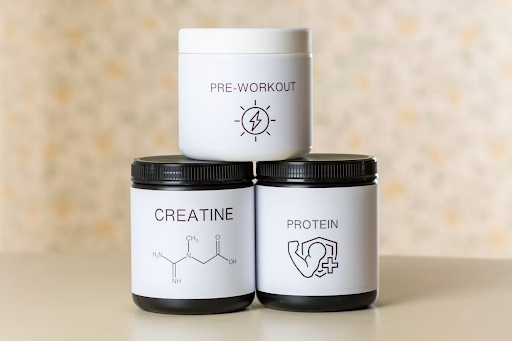
Photo from Unsplash
It can feel overwhelming to navigate the world of dietary supplements. So many bottles line store shelves, and endless options are available online. It’s hard to tell what works, what’s safe, and what’s just marketing. This guide will help you sort through the information and become a more confident buyer.
Why Supplements Matter
Dietary supplements are products meant to add to your diet. They can include vitamins, minerals, herbs, amino acids, antioxidants, and other substances. They aren’t supposed to replace a healthy diet, but they can help fill nutritional gaps. For instance, someone living where there isn’t much sun might benefit from a Vitamin D supplement. An athlete might use protein powder to help muscles recover. The main thing to remember is that supplements are there to supplement your lifestyle, not to take the place of healthy habits.
Labels Carefully
The most important skill for anyone buying supplements is being able to read and understand a product label. Unfortunately, studies show that many consumers misunderstand labels, which can lead to using products incorrectly. Don’t just look at the flashy marketing on the front of the bottle. Instead, turn it over to the “Supplement Facts” panel. Pay attention to the serving size, how much of each ingredient is in a serving, and the list of “other ingredients.” These might include fillers, binders, or allergens. If you want to do more in-depth research, the Dietary Supplements Labels Database can be a helpful resource.
Understanding Different Delivery Methods
Supplements come in different forms. How they’re delivered can affect how your body absorbs the ingredients and how easy they are to take.
- Capsules and Tablets: These are the most common. They’re easy to dose and carry, but some people find them hard to swallow.
- Powders: Often used for protein or greens, powders can be mixed into water, smoothies, or other foods. This allows for flexible dosing but can be less convenient.
- Tinctures and Liquids: The body absorbs these quickly, often by placing drops under the tongue.
- Gummies and Edibles: These are a tasty and simple alternative to pills. For example, products like THC CBD gummies offer an easy, pre-measured way to add certain compounds to your routine.
The Importance of Lab Testing
Since the supplement industry is largely unregulated, you’ll want to pick brands that are open about their quality control. Good companies will voluntarily send their products to an independent, third-party lab for testing. These tests confirm the product’s potency, making sure it has the amount of active ingredients claimed on the label. They also check for harmful contaminants like heavy metals, pesticides, and microbes. Always look for companies that make these lab reports, often called Certificates of Analysis (COAs), easy for customers to find on their website.
Consulting Your Doctor
Before you add any new supplement to your daily routine, it’s essential to talk to your doctor or a registered dietitian. They can look at your diet, health, and any medications you’re taking to see if a supplement is necessary or safe for you. Some supplements can react badly with prescription medications or might not be right for people with certain health conditions. A healthcare professional can give you personalized advice and help you avoid wasting money on products you don’t need or that could potentially cause harm.
Taking the time to research products and talk to a professional can help you use supplements safely and effectively to reach your overall wellness goals.