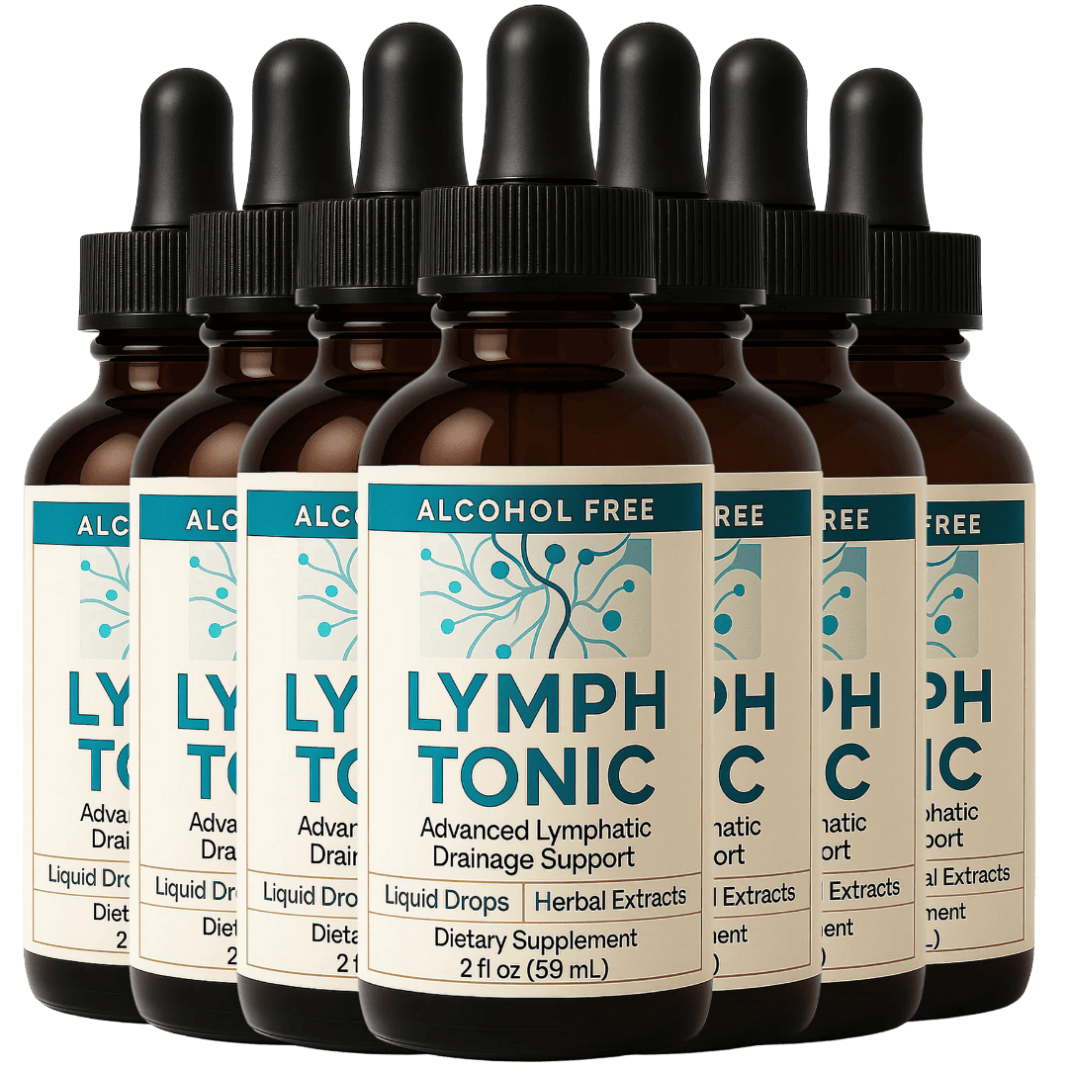

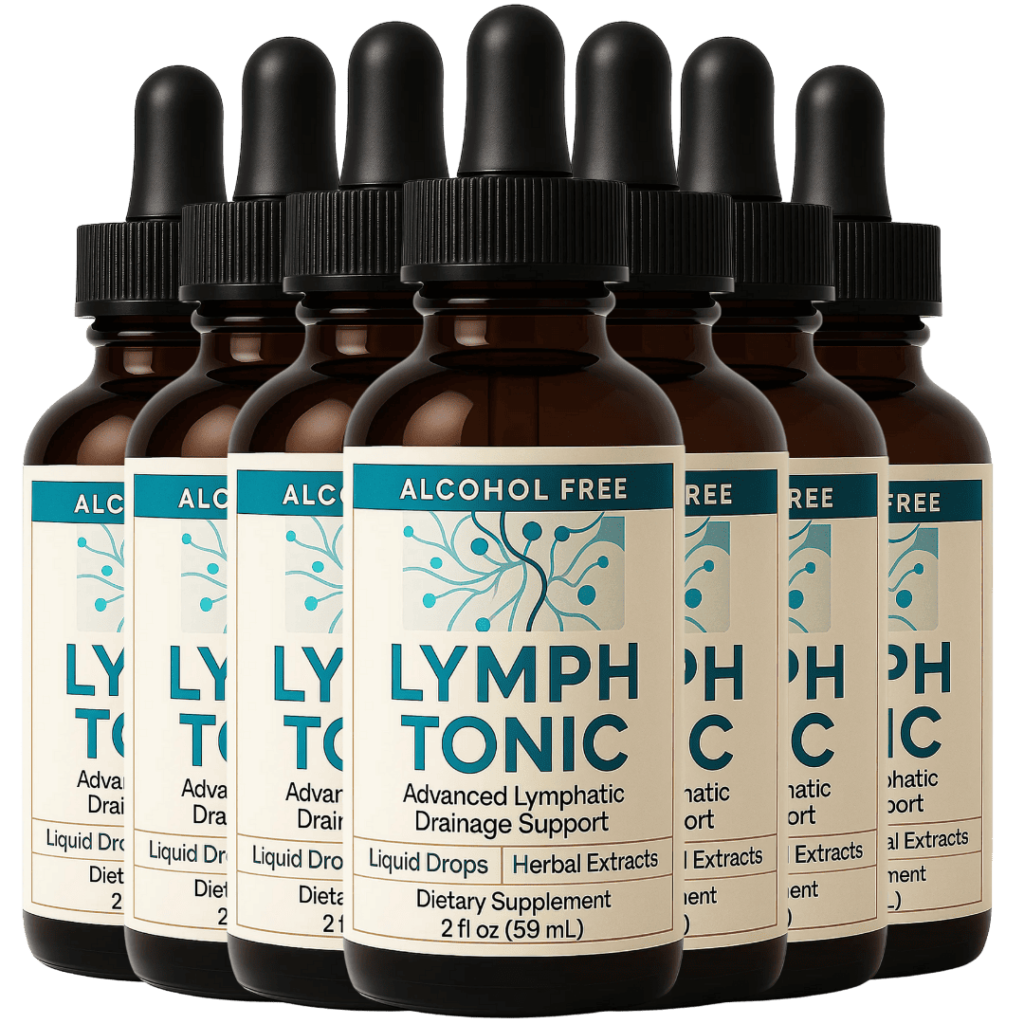
I’ll be honest — the first time I came across Lymph Tonic, I scrolled past it. Another supplement, another bold claim, another dropper bottle with a forest-green label. But then a close friend called me, frustrated. She’d been dealing with persistent leg heaviness and puffiness for months, had tried compression socks, elevated her feet every evening, drank what felt like an ocean of water daily — and still woke up each morning with swollen ankles.
She asked me to look into Lymph Tonic properly. So I did. I spent several weeks reading through the ingredient research, digging into the brand behind it, comparing it against similar products, and talking to people who’d actually used it. This review is the result of that work — not a quick skim, not a reworded press release. Just an honest, thorough look at what Lymph Tonic is, what it contains, what the science says, and who it’s actually suitable for.
What Is Lymph Tonic?
Lymph Tonic is an alcohol-free liquid herbal supplement marketed specifically to support healthy lymphatic drainage and circulation. It comes in a 2-fluid-ounce (60mL) dropper bottle, with a recommended serving of two full droppers once daily — either taken directly under the tongue or mixed into water or juice.
The product is made in the United States and sold exclusively through its official website, with ClickBank handling payment processing. It’s positioned in a growing wellness category that targets people struggling with fluid retention, leg swelling, chronic puffiness, and sluggish lymphatic circulation — problems that often go unaddressed because they’re uncomfortable to live with but rarely severe enough to warrant medical intervention.
What makes Lymph Tonic stand apart from standard capsule supplements in this space is its liquid delivery format. The brand argues that liquid tinctures absorb more efficiently than capsules or tablets, allowing the botanical compounds to enter the bloodstream faster. Whether or not you find that claim persuasive, the absence of alcohol — a common ingredient in traditional tinctures — is a meaningful differentiator for people who are alcohol-sensitive, sober, or simply prefer not to taste it.
The Ingredients: What’s Actually Inside
This is where I spent most of my research time, and it’s the most important section of this review. A supplement is only as good as what’s in it.
Boswellia Serrata
Boswellia, derived from the resin of the Boswellia tree native to India and North Africa, has centuries of use in Ayurvedic medicine for inflammatory conditions. Modern research has largely focused on its role in joint health and osteoarthritis, where it appears to inhibit certain inflammatory enzymes. The connection to lymphatic health is indirect — by reducing systemic inflammation, the theory goes that lymphatic flow encounters less resistance. The ingredient-level evidence is decent; the leap to lymphatic drainage support specifically requires more clinical data.
Curcumin (from Turmeric)
Curcumin is one of the most studied anti-inflammatory compounds in the natural supplement world. Research supports its role in reducing oxidative stress and calming inflammatory pathways, particularly NF-κB. One common criticism of curcumin supplements is its notoriously poor bioavailability in standard forms — whether the liquid format of Lymph Tonic meaningfully addresses this isn’t specified by the brand, so it’s worth noting.
Horse Chestnut Extract (Aescin)
This is arguably the most clinically relevant ingredient in the formula for the target audience. Horse chestnut seed extract, and specifically its active compound aescin, has been studied extensively in the context of chronic venous insufficiency (CVI) — a condition characterized by poor blood return from the legs, swelling, and heaviness. Multiple randomized controlled trials have found horse chestnut extract to be effective in reducing leg edema and discomfort. If you’re dealing with leg heaviness and fluid buildup, this is the ingredient doing the heaviest lifting in this formula.
| Clinical note: Horse chestnut extract is the gold-standard botanical for chronic venous insufficiency and the ingredient with the strongest evidence base in this formula. |
Nattokinase
Nattokinase is a fibrinolytic enzyme derived from natto, a fermented Japanese soybean food. It’s been studied for its ability to support healthy blood viscosity and circulation by breaking down fibrin — a protein involved in clot formation. There’s genuine interest in this compound in the cardiovascular research community. However, because it affects blood coagulation, it carries a meaningful drug interaction risk with anticoagulants like warfarin or aspirin. Anyone on blood thinners should speak with their doctor before using this product.
Baicalein
Baicalein is a flavonoid extracted from Baikal skullcap (Scutellaria baicalensis), used extensively in Traditional Chinese Medicine. It has demonstrated antioxidant and anti-inflammatory properties in laboratory and animal studies, with some research suggesting benefits for vascular function. Human clinical data is more limited, but its inclusion in a circulatory support formula is not unreasonable.
Omega-3 Fatty Acids
Omega-3s are well-established in cardiovascular research for their anti-inflammatory effects and support of healthy blood flow. Their inclusion here adds a solid foundational ingredient to what is otherwise a more specialized botanical blend.
Overall Take on the Formula
The ingredient list is thoughtful. Horse chestnut extract brings the most direct evidence base for the primary claims. The rest of the formula supports a broader anti-inflammatory and circulatory framework that, while not lymphatic-drainage-specific in clinical research terms, is coherent and not implausible. Full per-ingredient dosage transparency would strengthen consumer trust considerably.
How Lymph Tonic Is Supposed to Work?
The lymphatic system is a network of tissues and vessels that runs alongside the circulatory system. Its job is to collect excess interstitial fluid from tissues, filter it through lymph nodes, and return it to the bloodstream. When this system slows down — whether from sedentary habits, chronic inflammation, hormonal changes, or other factors — fluid can accumulate in tissues, leading to that familiar puffiness and heaviness, particularly in the lower limbs by the end of the day.
Lymph Tonic approaches this problem through four angles: reducing inflammation that can impede flow, supporting vessel strength and flexibility, improving microcirculation, and helping the body manage protein and waste accumulation in lymphatic tissue. The liquid format is intended to support faster absorption compared to a capsule that must first dissolve in the stomach.
This mechanism is plausible, though I’d caution against expecting dramatic, fast results. Lymphatic support supplements work over time, not overnight.
Who Is This For?
Lymph Tonic appears well-suited for:
- Adults experiencing mild to moderate fluid retention in the legs, ankles, or feet — especially toward the end of the day
- People who spend long periods sitting or standing and notice increased puffiness or leg fatigue
- Anyone looking for a complementary, non-pharmaceutical approach to circulatory wellness
- Those who prefer liquid supplements over capsules or tablets
It is not appropriate for:
- People taking anticoagulant medications (nattokinase interaction risk)
- Pregnant or nursing women without medical clearance
- Anyone with diagnosed lymphedema or a serious medical condition — please see a physician first
- Those expecting a cure or a substitute for medical care
Pros and Cons
What Works Well
The formula is alcohol-free, which genuinely matters for a daily-use tincture. The inclusion of horse chestnut extract — the gold standard botanical ingredient for venous and fluid issues — gives the formula real credibility. It’s made in the USA, and the once-daily dosing keeps things simple. The 60-day money-back guarantee means the financial risk of trying it is low.
Where There’s Room for Improvement
The full per-ingredient dosage breakdown isn’t prominently disclosed, which makes it harder to evaluate potency. Some of the marketing language leans into sensationalized framing — ‘forbidden enzyme protocols’ and ‘four biological pathways’ — that doesn’t add scientific clarity and makes skeptical consumers less trusting.
What Customers Are Saying
The Lymph Tonic customer reviews I found skewed positive for the most specific claims — reduced leg heaviness, improved comfort toward the end of the day, and appreciation for the alcohol-free taste profile. Negative experiences generally mentioned slower-than-expected results or dissatisfaction when looking for dramatic swelling reduction rather than gradual daily support.
Pricing and Where to Buy
Lymph Tonic is priced within the premium range for liquid herbal supplements. Single bottle pricing sits around $69, with discounted multi-bottle bundles available on the official site. Given the 30-serving bottle and once-daily dosing, one bottle equals one month’s supply.
| Important: Purchase only from the official website to ensure eligibility for the 60-day money-back guarantee — and to avoid the numerous copycat domains in search results. |
Final Verdict
Lymph Tonic is a credibly formulated liquid supplement for people seeking botanical support for lymphatic circulation and fluid balance. It is not a miracle product, and it won’t replace medical care for diagnosed lymphatic conditions. But for someone dealing with everyday fluid retention, leg heaviness, or puffiness — and who wants a natural, non-stimulant approach — it’s worth a serious look.
The horse chestnut extract alone carries meaningful clinical backing for the primary complaint most buyers have. The supporting ingredients round out a coherent anti-inflammatory and vascular support framework. The alcohol-free liquid format is a genuine quality-of-life improvement over most competing products.
If you’re in that target audience, the 60-day guarantee makes it a relatively low-risk trial. Just buy from the official site, manage your expectations around timeline (give it at least 4–6 weeks of consistent use), and check with your doctor if you’re on any blood-thinning medications.
Frequently Asked Questions
How long does it take to notice results?
Most users who report positive experiences note changes between 3 and 6 weeks of daily use. Lymphatic support supplements work gradually — consistency is key.
Can I take Lymph Tonic with other supplements?
Generally yes, but if you take blood thinners, consult your healthcare provider before use due to the nattokinase content.
Is there a subscription option?
Check the official website for current purchasing options, as these can change seasonally.
Is Lymph Tonic FDA-approved?
No dietary supplement is FDA-approved in that clinical sense. It is manufactured in a GMP-compliant facility, and the product carries the standard FDA disclaimer that statements have not been evaluated to diagnose, treat, cure, or prevent any disease.