
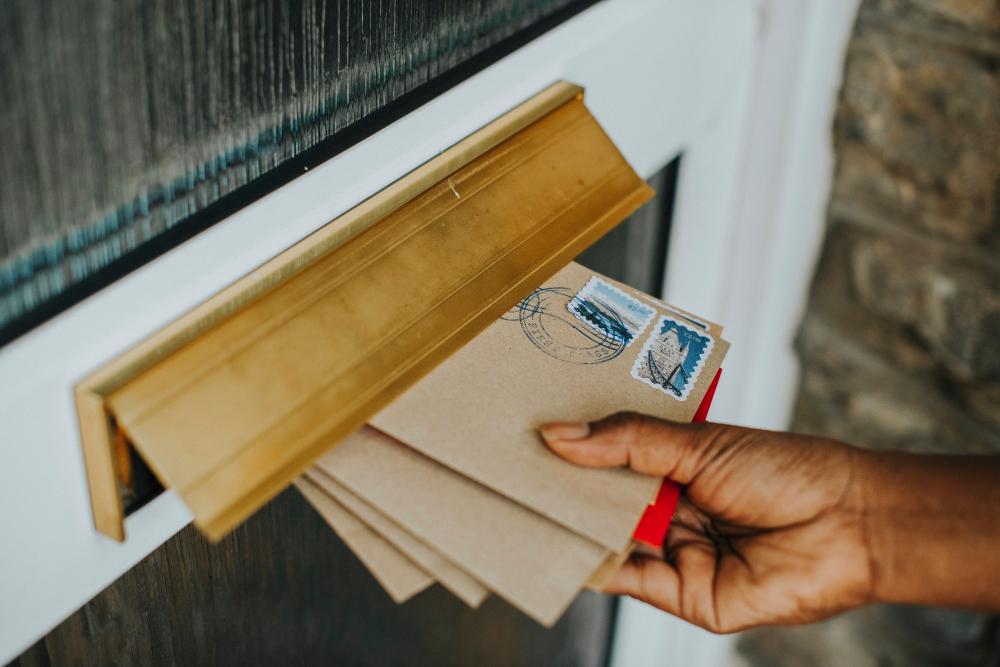
Digital advertising gets most of the attention these days, but physical mail is quietly making a comeback among local businesses. Studies show direct mail response rates consistently outperform email, and printed materials tend to hold a reader’s attention longer than a screen does. For businesses trying to reach customers in their immediate area, the mailbox remains a surprisingly effective place to show up.
Why Direct Mail Holds Its Ground
The average consumer receives a flood of promotional emails every day but a comparatively small number of physical mailers. That imbalance works in favor of print. A well-designed postcard sitting on a kitchen counter stands out in a way that a buried inbox message simply does not.
Geographic targeting is where local businesses gain the most traction. The United States Postal Service offers delivery programs that let businesses cover entire carrier routes without buying a mailing list. Businesses using EDDM postcards through Every Door Direct Mail can reach every household along a selected route at a predictable cost, making the format accessible even for smaller budgets. That kind of saturation is difficult to replicate through digital channels alone.
Older homeowners are also worth factoring in. This group checks physical mailboxes consistently and tends to respond to printed offers at higher rates than younger audiences.
What the Numbers Actually Say
Response Rates Still Impress
The Data and Marketing Association has reported average household response rates for direct mail near five percent. That figure outpaces most digital display advertising formats by a meaningful margin. For a neighborhood plumber or a local dental practice, even a modest uptick in response translates directly to booked appointments.
Return on Investment Stays Competitive
Cost-per-acquisition varies based on design quality, offer strength, and how well the target area aligns with the business. Campaigns that pair a compelling offer with the right zip codes tend to produce returns that hold up against paid digital alternatives.
What Makes a Direct Mail Campaign Work
Clear Targeting
Strong campaigns begin with a deliberate geographic focus. Businesses should map out where their best customers already live, then build delivery routes around that radius. Layering in household filters, such as income bracket or property type, sharpens relevance further.
A Strong, Single Offer
Each mailer should have one clear ask. A cluttered postcard with three promotions and four contact options distracts the reader. A single, time-sensitive discount or a straightforward consultation offer performs better nearly every time.
Consistent Follow-Through
One mailer rarely closes a sale on its own. Sending to the same area across three or four weeks builds the kind of familiarity that turns passive awareness into action. Recipients who skip the first piece often respond to the second or third.
Industries That See the Strongest Results
Home service businesses, including roofers, landscapers, and HVAC companies, have long relied on direct mail for neighborhood-level visibility. Medical and dental practices use it to attract new patients within a defined service area. Restaurants and retail shops find it effective for grand openings and seasonal promotions.
What these categories share is geographic relevance. A mailer that addresses a real, local need lands differently than a generic advertisement. The closer the offer matches the household receiving it, the better the response tends to be.
Combining Direct Mail with Digital Outreach
Direct mail works even harder when paired with a digital component. Adding a scannable code to a postcard creates a trackable path from the physical impression to the online conversion. Businesses can measure exactly how many recipients took action.
Running retargeting advertisements in the same zip codes as an active mail campaign reinforces recognition across two channels. A consumer who sees a business in the mailbox and again in a social feed is far more likely to remember it when a relevant need comes up.
Conclusion
Direct mail holds real, measurable value for local businesses in 2026. Its capacity for precise geographic targeting, combined with response rates that consistently beat digital display formats and a physical presence that screens cannot replicate, keeps it relevant in any well-rounded local marketing strategy. Businesses that commit to quality design, smart targeting, and repeated sends are giving themselves a genuine advantage over competitors who have written print off entirely.