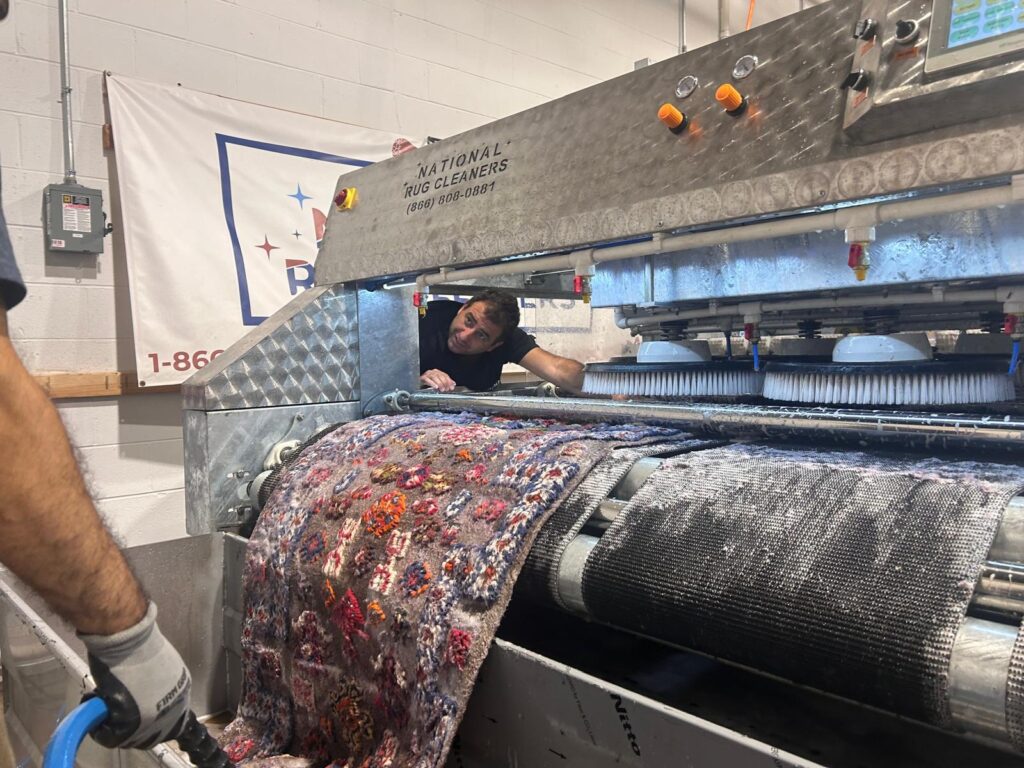
When most people think about rug cleaning, they might imagine someone scrubbing a rug by hand or pushing a vacuum across the surface. While that might work for basic home maintenance, it barely scratches the surface of what’s involved in large-scale, professional rug cleaning. At the commercial level, especially for companies handling dozens—or even hundreds—of rugs per week, advanced technology plays a central role in delivering consistent, high-quality results.
Modern rug cleaning operations are no longer limited to elbow grease and guesswork. They rely on specialized machinery designed specifically for handling a wide range of rug types, materials, and conditions. These machines are not just about speed—they’re about precision, safety, and achieving deep, fabric-safe cleaning that manual methods simply cannot match.One of the most important advancements in the industry is the use of purpose-built equipment for rug cleaning operations. These machines go far beyond traditional carpet cleaners, offering customized cleaning cycles for everything from antique Persian rugs to high-pile synthetics. Depending on the equipment, they may include features like automated dusting, pH-balanced washing, gentle agitation, and centrifugal drying—all controlled by programmable settings that ensure the right treatment for each specific rug.
Before a rug even enters the washing stage, it often undergoes pre-cleaning via a mechanical dusting machine. This step is crucial. Over time, rugs trap an incredible amount of dry soil and particulate matter that traditional vacuums can’t reach. Commercial dusting machines use vibration and air flow to remove debris from deep within the rug fibers, preparing it for an effective wash without grinding in dirt during the process.
After dusting, rugs move into the wash phase, which is where commercial carpet washing systems truly shine. These machines are designed to mimic traditional hand-washing techniques but with far greater control. They regulate water temperature, pressure, and detergent levels to safely lift stains and eliminate bacteria without damaging dyes or fibers. Some systems even include built-in sensors that detect moisture levels, allowing for customized drying cycles.
One standout piece of technology is the rug centrifuge. These horizontal spinning machines remove up to 95% of water from rugs in just a few minutes without relying on high heat. This gentle but highly efficient drying method helps prevent color bleeding, shrinkage, and mold growth—three common issues with improper or rushed drying.
But perhaps what’s most impressive is how all of these machines work together in a highly coordinated workflow. A professional facility is organized to maximize efficiency while ensuring individual attention to each rug. Technicians are trained to assess condition, material, and cleaning history before assigning the rug to a specific cleaning path. In some cases, delicate or antique rugs may bypass automated systems and receive hybrid treatment—a combination of machine-based and hand-finishing techniques for optimal care.
For commercial clients—such as hotels, office buildings, event venues, and property management firms—this technology makes large-scale rug maintenance both possible and practical. Without the efficiency of automated systems, cleaning hundreds of square feet of carpeting or large area rugs would be time-consuming, labor-intensive, and inconsistent.
Additionally, many modern facilities are designed with sustainability in mind. Machines are built to optimize water use, minimize energy consumption, and work with biodegradable or wool-safe cleaning agents. Some facilities even have water recycling systems to reduce environmental impact without sacrificing performance. This is a major plus for eco-conscious consumers and businesses looking to meet green standards in their operations.
Companies that invest in high-end rug cleaning equipment also tend to prioritize service quality. These operations are often the ones offering value-added services like pickup and delivery, photo documentation, fiber protection treatments, or even minor repairs and fringe restoration. Their machinery is simply part of a much larger promise: to handle every rug with expert care, from start to finish.
For consumers, understanding the difference that commercial equipment makes is important when choosing a provider. A facility with state-of-the-art systems is more likely to deliver consistent, safe, and effective results. Whether you’re a homeowner sending out a cherished family heirloom or a business with routine cleaning needs, asking about the tools and processes behind the service can give you confidence in your choice.
You can even take a virtual look at what some providers are using. Companies who specialize in equipment for rug cleaning operations often showcase their technology online, including video walkthroughs of their machinery in action. It’s a transparency that speaks volumes—and sets them apart from generic cleaning services.
Technology That Preserves Tradition
While the tools have evolved, the goal remains the same: to protect and preserve every rug that comes through the door. Thanks to advanced machinery and expert handling, commercial rug cleaning operations are redefining what it means to care for textiles at scale. It’s a blend of tradition and innovation—one that ensures rugs can stay beautiful, functional, and part of our spaces for generations to come.