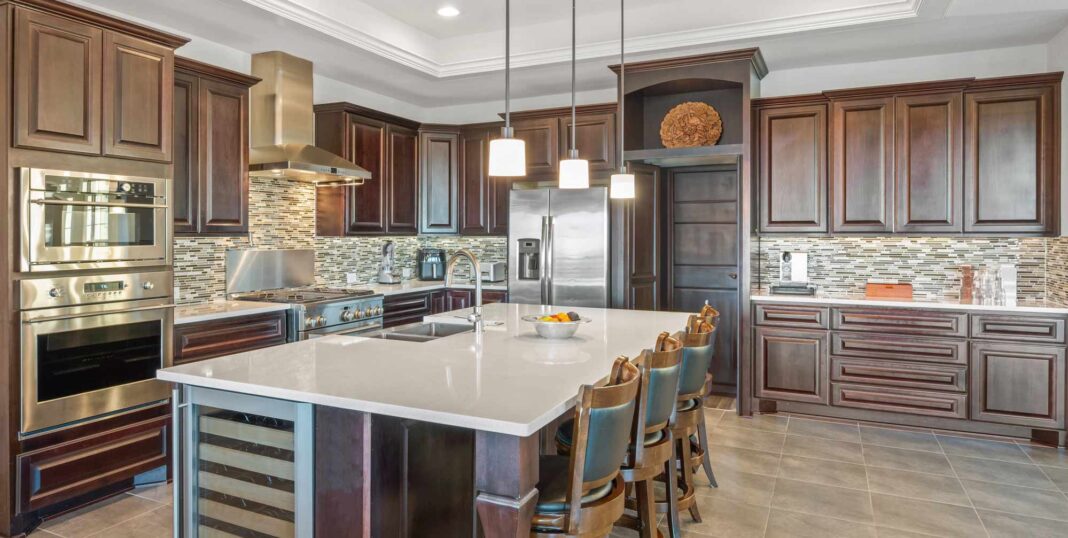

A whole home remodel is one of the most exciting and complex projects a homeowner can take on. Unlike a single-room renovation, a full-scale remodel often affects the layout, function, comfort, style, and value of the entire property. Whether you are updating an older home, creating more usable space, improving energy efficiency, or preparing your property for long-term living, careful planning is the key to a successful outcome.
A well-organized home remodeling project starts long before demolition begins. You need a clear vision, a realistic budget, dependable professionals, and a practical plan for living through the process. With the right preparation, you can reduce stress, avoid costly mistakes, and create a home that better fits your lifestyle.
Define Your Remodeling Goals
Before choosing finishes or calling contractors, start by identifying why you want to remodel. A whole home remodel should solve specific problems and support the way you live every day.
Ask yourself:
- Do you need more space?
- Is your current layout outdated or inefficient?
- Are you remodeling for resale value?
- Do you want better storage?
- Are you planning to age in place?
- Do you need updated electrical, plumbing, or HVAC systems?
- Is your home’s style no longer a good fit?
Clear goals help guide every decision. For example, if your main goal is better function for a growing family, layout changes and storage may matter more than luxury finishes. If your goal is resale, you may prioritize kitchens, bathrooms, curb appeal, and neutral design choices.
Create a Realistic Budget
Budgeting is one of the most important parts of a successful remodel. Whole home projects often include structural work, hidden repairs, permits, design fees, materials, labor, and temporary living costs. It is important to understand the full financial picture before work begins.
Your budget should include:
- Design and planning fees
- Contractor labor
- Materials and finishes
- Permits and inspections
- Demolition and disposal
- Plumbing, electrical, and HVAC updates
- Flooring, cabinetry, fixtures, and paint
- Appliances and lighting
- Temporary housing or storage
- Contingency funds
A contingency fund is essential. Many homeowners set aside 10% to 20% of the total budget for unexpected issues. Older homes may reveal hidden problems such as outdated wiring, plumbing leaks, moisture damage, or structural concerns once walls and floors are opened.
Prioritize Must-Haves and Nice-to-Haves
A whole home remodel can quickly become overwhelming if every idea feels equally important. To stay focused, divide your wish list into must-haves and nice-to-haves.
Must-haves may include:
- Repairing damaged systems
- Reconfiguring an unusable layout
- Adding necessary bedrooms or bathrooms
- Updating unsafe electrical or plumbing
- Improving accessibility
- Fixing moisture or foundation problems
Nice-to-haves may include:
- Premium countertops
- Custom built-ins
- Specialty lighting
- High-end appliances
- Luxury tile
- Smart home upgrades
This approach makes decision-making easier if budget adjustments are needed. You can protect the essentials while deciding where to scale back.
Build the Right Team
A successful home remodeling project depends heavily on the professionals you hire. Depending on the scope, you may need a general contractor, architect, interior designer, structural engineer, or specialized trade professionals.
When evaluating contractors, look for:
- Proper licensing and insurance
- Experience with whole home remodels
- Strong local references
- Clear communication
- Detailed written estimates
- Transparent timelines
- Knowledge of permits and codes
- A professional portfolio
- Written contracts and warranties
Do not choose based on price alone. The lowest bid may not include the same scope, material quality, or level of service. A reliable contractor should explain costs clearly and help you understand what is included.
Understand the Design Phase
The design phase is where your ideas become a detailed plan. This stage may include floor plans, material selections, structural drawings, lighting plans, cabinetry layouts, and finish schedules.
During design, think about how each space connects to the rest of the home. A whole home remodel should feel cohesive, not like several separate projects stitched together.
Important design considerations include:
- Traffic flow between rooms
- Natural light
- Storage needs
- Furniture placement
- Kitchen and bathroom function
- Flooring transitions
- Color palette
- Lighting layers
- Long-term maintenance
- Accessibility and comfort
The more decisions you make during the design phase, the fewer delays you are likely to face during construction.
Plan the Layout Carefully
Layout changes can have a major impact on how your home feels and functions. Removing walls, widening doorways, relocating rooms, or opening up living spaces can make a dramatic difference. However, layout changes can also affect structural supports, plumbing lines, electrical systems, and HVAC ducts.
Before making major layout decisions, consider:
- How your household uses each room
- Whether open spaces or defined rooms work better for you
- Where storage is lacking
- How guests move through the home
- Whether bedrooms need more privacy
- How kitchen, dining, and living areas connect
- Future needs, such as aging in place or remote work
A good layout should improve daily life, not just look appealing in photos.
Choose Materials Early
Material delays can slow down a remodel. Cabinets, flooring, tile, windows, appliances, and specialty fixtures may have long lead times. Selecting materials early helps your contractor schedule work more efficiently.
Common materials to choose in advance include:
- Flooring
- Cabinets
- Countertops
- Tile
- Plumbing fixtures
- Lighting
- Paint colors
- Doors and hardware
- Appliances
- Windows
- Exterior finishes
When choosing materials, balance appearance, durability, maintenance, and cost. A beautiful finish may not be the best choice if it is hard to clean or easily damaged in a busy household.
Prepare for Permits and Inspections
Most whole home remodels require permits, especially if the work involves structural changes, electrical updates, plumbing, HVAC, additions, or major layout changes. Permits help ensure the work meets local building codes and safety standards.
Your contractor should explain which permits are needed and who is responsible for obtaining them. Skipping permits can create problems later, especially when selling the home or filing insurance claims.
Inspections may happen at several points during the project. They can affect the schedule, so it is important to account for them in your timeline.
Set a Practical Timeline
Whole home remodels often take months, depending on the size and complexity of the project. A realistic timeline helps you prepare emotionally, financially, and logistically.
Your project schedule may include:
- Design and planning
- Permit approval
- Demolition
- Framing and structural work
- Rough plumbing, electrical, and HVAC
- Inspections
- Insulation and drywall
- Flooring
- Cabinetry and trim
- Painting
- Fixtures and finishes
- Final walkthrough
Unexpected issues can affect the timeline. Weather, supply delays, inspection schedules, and hidden damage may all add time. Build flexibility into your plan and keep communication open with your contractor.
Decide Whether to Stay or Move Out
Living in your home during a whole home remodel can be challenging. Dust, noise, limited access to bathrooms or kitchens, and temporary utility shutoffs can make daily life difficult.
You may want to move out if:
- The kitchen will be unusable for a long period
- Multiple bathrooms are being remodeled at once
- Major plumbing or electrical work is planned
- You have young children, pets, or remote work needs
- The remodel affects most of the home
- You are sensitive to dust or noise
If you stay, create temporary living zones. Set up a small kitchenette, protect furniture, store valuables, and plan for limited access to parts of the home.
Communicate Clearly Throughout the Project
Good communication helps prevent misunderstandings and delays. Before construction begins, establish how updates will be shared. Some contractors use weekly meetings, project management apps, email updates, or phone calls.
Make sure you understand:
- Who your main point of contact is
- How change orders are handled
- When payments are due
- How schedule updates are communicated
- What decisions need your approval
- How issues will be documented
Keep records of contracts, selections, invoices, permits, warranties, and change orders. Written documentation protects both you and your contractor.
Prepare for Change Orders
A change order is a written adjustment to the original scope of work. Change orders may happen because of unexpected issues or because you decide to make changes after construction begins.
Common reasons for change orders include:
- Hidden damage
- Material upgrades
- Layout changes
- Code requirements
- Fixture changes
- Additional repairs
Change orders can affect both the budget and timeline. Review each one carefully before approving it.
Think About Long-Term Value
A whole home remodel should improve your life now while supporting the future value of your property. Focus on improvements that are functional, durable, and appealing.
High-value remodeling priorities often include:
- Updated kitchens
- Modern bathrooms
- Improved energy efficiency
- Better storage
- Functional floor plans
- Quality flooring
- Updated systems
- Curb appeal
- Flexible living spaces
Trends can be useful for inspiration, but avoid choices that may feel outdated quickly. A timeless foundation with personalized accents often works best.
Final Walkthrough and Project Closeout
Before making the final payment, complete a detailed walkthrough with your contractor. Create a punch list of items that need correction or completion.
Check for:
- Paint touch-ups
- Cabinet alignment
- Door and window operation
- Fixture performance
- Flooring issues
- Caulking and trim details
- Appliance installation
- Lighting and outlets
- Cleanup
- Warranty documents
Once the project is complete, collect manuals, warranties, permits, inspection approvals, and maintenance instructions. These records will be useful for future repairs, resale, and insurance purposes.
Final Thoughts
Planning a whole home remodel takes time, patience, and organization. By defining your goals, setting a realistic budget, hiring the right team, choosing materials early, and communicating clearly, you can make the process smoother and more successful.
A well-planned home remodeling project can improve comfort, function, beauty, and long-term property value. The more thoughtful your preparation, the more likely you are to enjoy the finished result for years to come.
FAQ
How long does a whole home remodel take?
A whole home remodel can take several months, depending on the size of the home, project scope, permit timeline, material availability, and whether structural work is required.
How much should I budget for a whole home remodel?
Costs vary widely based on location, home size, materials, labor, and project complexity. Set a detailed budget and include a 10% to 20% contingency fund for unexpected expenses.
Should I hire a contractor or manage the remodel myself?
For a whole home remodel, hiring an experienced general contractor is usually best. They coordinate trades, permits, schedules, inspections, and quality control.
Do I need permits for a whole home remodel?
Most major remodels require permits, especially for structural, plumbing, electrical, HVAC, or layout changes. Your contractor should help identify and manage permit requirements.
Can I live in my house during the remodel?
You may be able to stay, but it depends on the scope of work. If the remodel affects kitchens, bathrooms, utilities, or most living areas, moving out temporarily may be more practical.
What should I choose first in a remodel?
Start with goals, budget, layout, and major materials. Cabinets, flooring, windows, appliances, and specialty fixtures should be selected early to avoid delays.
How do I avoid remodeling delays?
Make decisions early, order materials ahead of time, hire qualified professionals, keep communication clear, and build flexibility into your timeline.
What is the most important part of a whole home remodel?
Planning is the most important part. Clear goals, a realistic budget, a detailed design, and a reliable contractor help the project run more smoothly.
What adds the most value in a whole home remodel?
Kitchens, bathrooms, updated systems, functional layouts, energy-efficient upgrades, and improved curb appeal often add strong value.
How do I keep my remodel from going over budget?
Set priorities, get detailed estimates, avoid frequent changes, approve change orders carefully, and maintain a contingency fund for unexpected issues.