
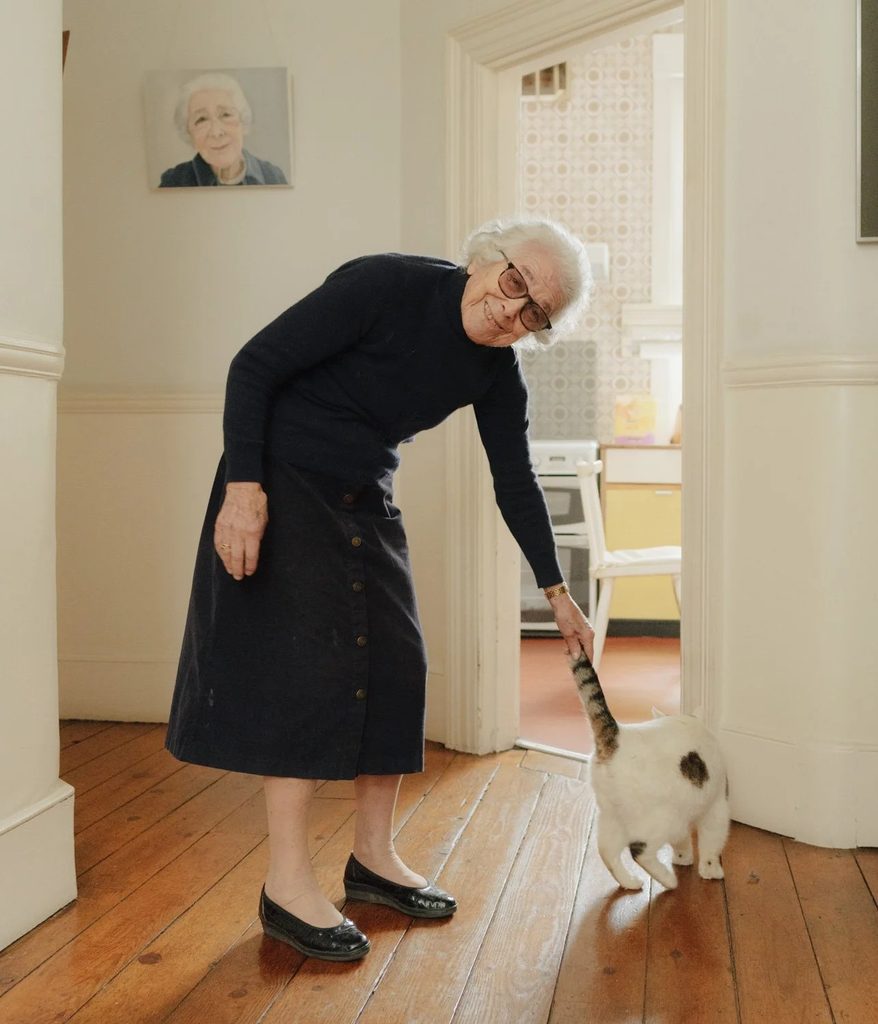
When it comes to supporting an ageing relative in New Zealand, the ultimate goal is simple: helping them live their later years with dignity, comfort, and the right level of support. However, choosing between a care facility and in-home care is rarely straightforward. After all, every family has different circumstances, and every older adult has unique health needs, personal preferences, and goals for later life. This means there’s no single ‘right’ path—only one that best preserves your loved one’s wellbeing and your family’s peace of mind.
To help you find the best way forward, we have highlighted the key practical factors to look at. These considerations will help you evaluate which care arrangement will offer the most supportive and fulfilling environment for your relative.
1. Consider Whether They Can Continue Living Safely at Home
For many families, the conversation begins with one simple question: can Mum or Dad continue living safely at home? In many cases, the answer is yes, and in-home care may be enough. Assistance may include personal care, meal preparation, light housekeeping, medication reminders, transport to appointments, or companionship throughout the week.
A family searching for in-home care for elderly parents in NZ may discover that with support from properly vetted, quality carers, an elderly relative can continue enjoying the independence, privacy, and familiarity that their own home provides. This type of flexible support can delay or even remove the need to consider residential care.
2. Evaluate the Complexity of Their Care Needs
Although many care needs can be managed successfully at home, every situation deserves an honest assessment. For instance, someone recovering from surgery or managing a chronic health condition may benefit from scheduled nursing visits alongside personal care and household assistance.
However, advanced dementia, frequent medical emergencies, or conditions requiring continuous clinical monitoring may exceed what can reasonably be provided within a home environment. While you naturally wish to honour your loved one’s preference to remain at home, ensuring their ongoing safety and access to appropriate medical care should remain the highest priority.
3. Think About Which Environment Helps Them Thrive
Your decision should consider not only where care can be delivered but also where your loved one is most likely to feel secure, connected, and emotionally supported.
On the one hand, familiar spaces carry decades of memories, routines, and personal identity that contribute to emotional wellbeing. Even the simplest routines, such as enjoying breakfast in a favourite chair or tending a garden, can provide a reassuring sense of normality that supports emotional health alongside physical care. An in-home care setup also means that elderly relatives can continue enjoying treasured possessions, familiar neighbours, nearby friends, favourite walking routes, and even beloved pets that may not be accommodated elsewhere.
On the other hand, some older adults become socially isolated at home, particularly after losing a spouse or experiencing reduced mobility. In these situations, a care facility may offer opportunities for regular social interaction, organised activities, and companionship with others at a similar stage of life.
4. Consider How Much Flexibility You Need
Care requirements rarely remain static. A parent who currently needs assistance with household chores and transport may eventually require help with personal care or mobility. One advantage of in-home care is the flexibility it offers. Support can begin with just a few scheduled visits each week and gradually increase if additional assistance proves necessary. This approach can make periods of transition feel less overwhelming while allowing care plans to reflect changing needs.
That said, residential care also provides a certain level of flexibility. Once someone moves into a dedicated care facility, higher levels of support are typically available within the same setting as one’s health undergoes inevitable changes. For individuals whose medical needs are expected to become increasingly complex, this continuity may provide reassurance for both the older person and their family.
5. Assess Your Family’s Role in Care
Professional care doesn’t replace the importance of family. However, acknowledging your limitations is not a sign of failure. After all, caring for an elderly relative while balancing employment, children, or other commitments can become increasingly demanding.
In this case, in-home care enables you to remain an active participant without carrying every responsibility yourself. Professional carers can handle daily practical tasks while you focus on spending meaningful time with your relative rather than rushing between caregiving duties.
6. Compare the Overall Value, Not Just the Price Tag
Financial considerations naturally influence any long-term care decision, but comparing advertised prices alone rarely provides an accurate picture. For older adults who remain largely independent, in-home care can be a practical option because families pay only for the assistance they require.
Conversely, residential care generally combines accommodation, meals, personal care, housekeeping, and continuous staffing into one ongoing fee. Although this may represent a higher financial commitment, it can offer greater value for individuals requiring comprehensive supervision or extensive medical support.
7. Involve Your Relative in the Decision
Whenever possible, your elderly relatives should be included in conversations about their future care rather than solely making decisions on their behalf. In fact, talking openly about preferences while your loved one is still able to express their wishes gives everyone the chance to explore different options without the pressure of an immediate medical emergency. It also allows concerns to be addressed thoughtfully. Ultimately, involving them throughout the process helps preserve their sense of autonomy and encourages greater confidence in whichever care arrangement is ultimately chosen.
Find the Path that’s Best for Your Loved One
Choosing between a care facility and in-home care is ultimately about finding the environment that allows your relative to live with the greatest possible comfort, dignity, and security. Taking the time to consider their needs today while planning thoughtfully for tomorrow can help your family decide on the best path for your loved one.