
If you have just started using a retainer, you are probably wondering: how to clean a retainer at home effectively? An uncleaned retainer is the breeding ground for gems. It will lead to more severe oral problems.
In this guide, we will go through the procedures to clean your retainer. We will also offer tips on getting high-quality dental retainers in Manhattan.
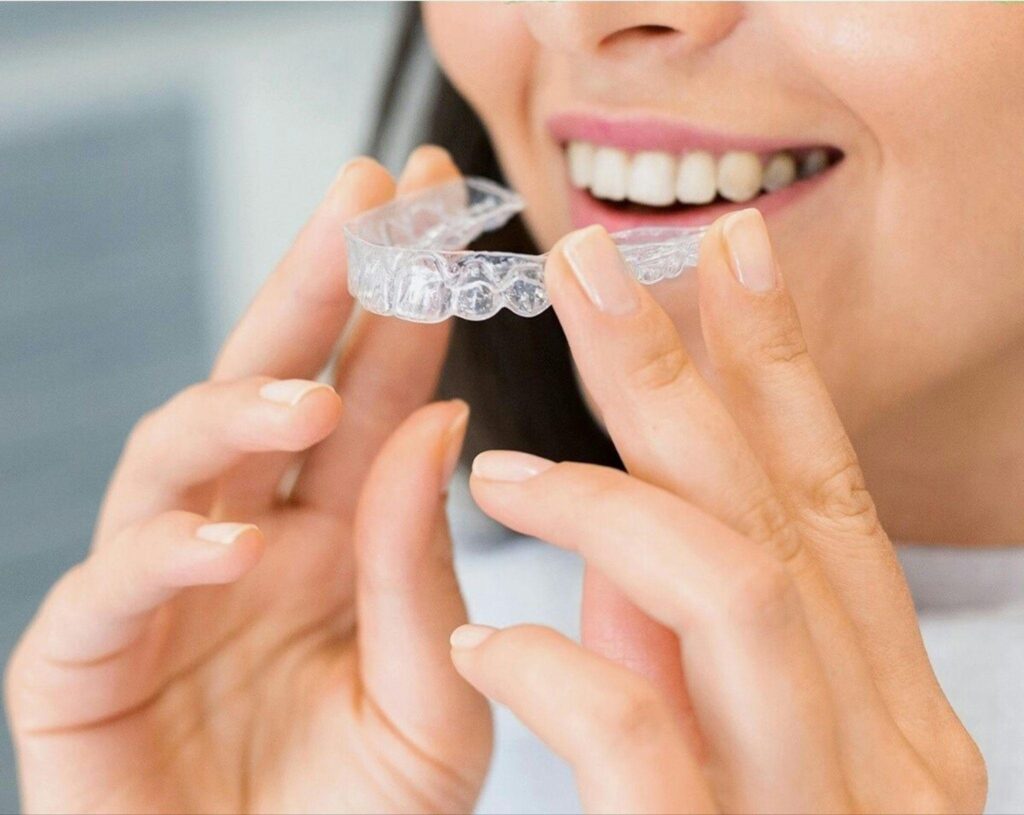
Essential Tools and Safe Cleaning Supplies for Retainers
Before you clean your retainer at home, you need to have some basic tools. These tools assist in cleaning the retainer thoroughly, leaving no dirty spot. It also removes gems invisible to the naked eye.
Some general items include:
- Soft-bristled toothbrush
- Mild liquid soap
- Lukewarm water
- Retainer cleaning tablets
- Clean storage case
These supplies are available at your dentist’s office. Do not use harsh chemicals or bleach. They will not clean the piece. Instead, they will damage the retainer coating.
Step-by-Step Guide to Cleaning Your Retainer at Home
Cleaning your retainer is pretty simple. You can do it at home at any time. The most important technique is to be gentle. Do not aggressively brush the surface.
Here is a full retainer cleaning guide.
- Step 1: Rinse
Remove the retainer first. And rinse it immediately with lukewarm water. It washes the saliva and large debris away. - Step 2: Brush
Use a soft toothbrush and soap. Gently brush the surface. Avoid using excessive force. The retainer can be fragile. - Step 3: Soak (optional)
From time to time, use retainer cleaning tablets to soak it. It further eliminates bacteria and stains. - Step 4: Rinse
After the procedure, rinse thoroughly. You should remove all the soup and chemicals. - Step 5: Dry
If you are not using the retainer immediately, allow it to air dry. Store it in a clean case once it’s dried.
How Often Should You Clean Your Retainer?
When it comes to answering “how to clean a retainer”, frequency matters. People are often confused about the right frequency. Excessive cleaning may sound troublesome, but undercleaning can present more serious health issues.
Basic cleaning daily
Consider your retain a part of your teeth now. You should clean it daily, like brushing your teeth. It is the basic cleaning routine to remove food debris and gems. If there is food stuck inside, you may also clean it after each meal as appropriate.
Deep clean periodically
Deep clean it several times a week with dedicated cleaning tablets. It removes stains and extends its lifespan. Check the manufacturer’s guide about the deep clean frequency and instructions.
Check with your dentist
Aging retainers may need to be cleaned more frequently or replaced. You can have your dentist inspect its condition during your follow-up appointment.
Common Mistakes People Make When Cleaning Retainers
The most common retainer problems are all related to careless practices and habits. You should avoid that to maintain a good oral hygiene standard.
Use hot water
Hot water can warp the plastic on the retainer. It may deform and melt the plastic. Lukewarm water is enough to clean it. Apply the water to your hands to test the temperature first.
Abrasive toothpaste
Harsh chemicals can destroy the coating. It diminishes the functions of the retainer. Strong cleaning products are too aggressive for this purpose.
Sun exposure
Your retainers can’t handle direct sun exposure for long. Do not place it near the sun when drying it.
Natural vs Commercial Cleaning Methods: What Works Best?
Both natural and commercial cleaning methods have their advantages. People often combine the two methods.
Natural options often include:
- Mild soup
- Water
Commercial options may include:
- Retainer cleaning tablets
- Orthodontic appliance cleaners.
You can speak to your orthodontist about the recommended procedures for your retainer. A professional provider like Smiles + Grins will go through the manufacturer’s recommendations with you. They will suggest the right fit based on your lifestyle.
How to Store Your Retainer Properly After Cleaning
Proper storage is another key element in having a long-lasting retainer.
Protective case
A protective case can prevent bacterial exposure. It keeps your retainer fresh and clean. When you bring it out, it’s best to keep it in a secure pocket.
Away from heat sources
The heat can warp the shape. Place the retainer away from heat sources. Do not place it near the windows or the furnace.
Dry environment
Moisture may facilitate gem growth. Store your retainer in a dry environment.
In conclusion
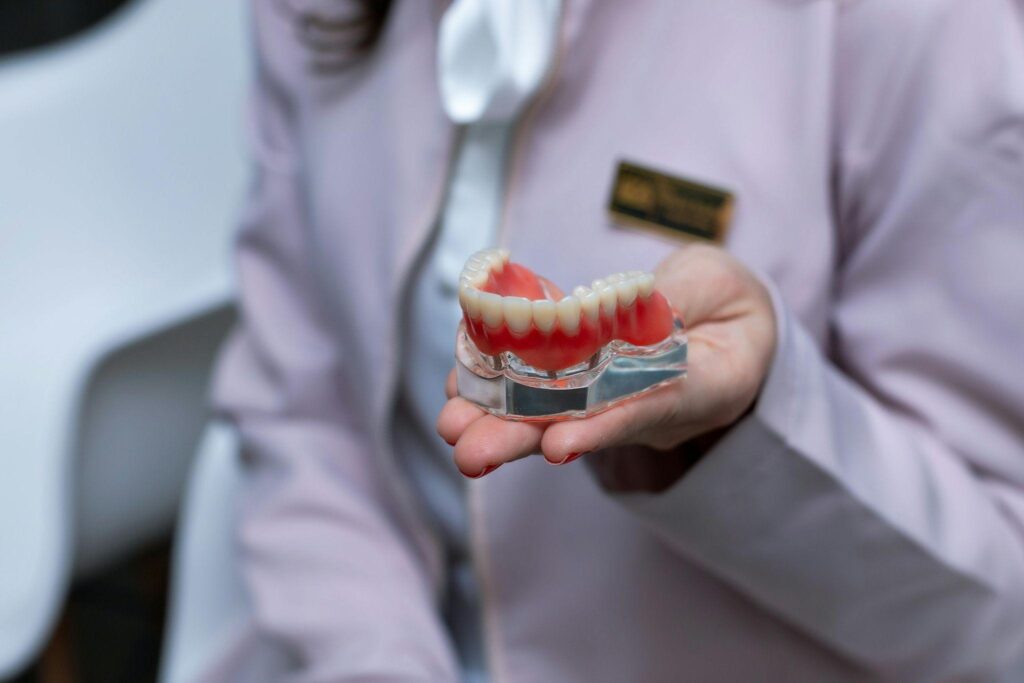
Photo from Pexels
Learning how to clean a retainer at home can successfully enhance your orthodontic results. Thorough cleaning prevents bacteria buildup and unnecessary wear. Speak to your local provider about the best approach and type for your condition.