
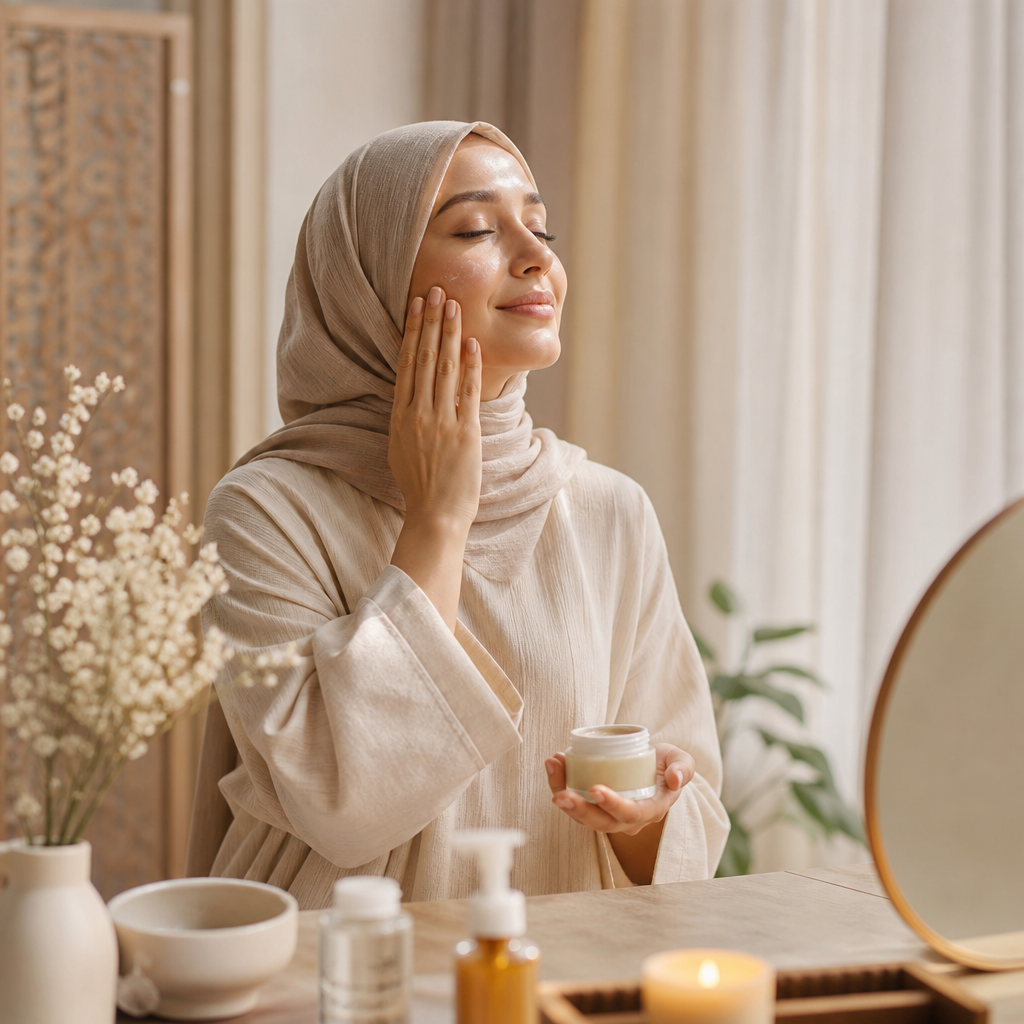
For years, skincare was evaluated almost entirely on results — did the redness fade? Did the fine lines soften? Did the breakouts clear? But a quiet revolution has been building beneath the surface of the beauty industry, one that asks a different question entirely: how does your skincare make you feel in the moment you use it? This shift toward experience-driven beauty has given rise to a category that is equal parts science and sensation, and it is changing the way consumers think about their daily rituals.
The Rise of Experience-Driven Beauty
Modern consumers are no longer satisfied with products that simply work in theory. They want formulas that engage the senses — textures that transform on contact, scents that calm the nervous system, temperatures that shift as they absorb. This demand for a more immersive product experience has pushed formulators and brand developers to think beyond the ingredient list and consider the full arc of how a product feels from the moment it leaves the bottle to the moment it disappears into the skin.
This is not a superficial trend. Research in psychodermatology has consistently shown that the emotional experience of applying skincare can influence how the skin responds. Stress reduction, tactile pleasure, and even the ritual of a routine itself have measurable effects on skin health. When a product feels luxurious, calming, or invigorating, it encourages consistency — and consistency is the single most important factor in any skincare outcome.
Why Texture and Touch Matter More Than You Think
The skin is the body’s largest sensory organ, and yet most skincare conversations ignore the tactile dimension almost entirely. Texture is often treated as a cosmetic afterthought — something that makes a product feel pleasant but does not contribute to its efficacy. In reality, texture plays a critical role in how deeply an ingredient penetrates, how evenly it distributes across the skin, and how the skin barrier responds to application. A poorly formulated texture can cause pilling, uneven absorption, or even irritation, while a well-crafted one can enhance delivery and improve the overall condition of the skin over time.
Beyond function, texture also communicates trust. When a serum glides smoothly, when a moisturizer melts without greasiness, when a cleanser foams gently without stripping — these sensory signals tell the user that the product was made with care. That perception of quality directly influences how faithfully someone will stick to a routine, which ultimately determines whether results are achieved at all.
The Science Behind Skin That Looks Dull Despite a Routine
One of the most common frustrations among skincare enthusiasts is maintaining a consistent routine and still not seeing the glow they expected. If you have ever wondered why your skin still looks dull even with a skincare routine, the answer often lies in the gap between using products and using the right products in the right way. Layering incompatible actives, applying products in the wrong order, or simply using formulas that do not suit your skin’s current condition can all undermine even the most disciplined routine. Sensory-focused skincare addresses part of this problem by encouraging users to pay closer attention to how their skin feels at each step — a form of mindful application that naturally leads to better choices and better results.
Mindful Application as a Skincare Strategy
There is a meaningful difference between rushing through a routine and genuinely engaging with it. When you slow down and notice how a product feels — whether it absorbs quickly or sits on the surface, whether it soothes or tingles, whether it leaves the skin feeling balanced or tight — you gather real-time information about what your skin needs. This kind of attentive application is not just meditative; it is diagnostic. Over time, it builds a more intuitive understanding of your skin that no ingredient label can fully replace.
Global Influences Shaping Sensory Skincare
The sensory skincare movement did not emerge in a vacuum. It draws heavily from global beauty traditions that have long understood the relationship between ritual, sensation, and skin health. Korean beauty, in particular, has been instrumental in popularizing multi-step routines that prioritize texture layering, hydration, and the pleasure of application. The famous glass-skin aesthetic is not just about ingredients — it is about the cumulative effect of applying products with intention, patience, and an appreciation for how each layer feels. For a deeper look at how these principles are applied in practice, Vogue’s guide to the Korean skincare routine offers an excellent overview of the philosophy and the steps involved.
Japanese skincare similarly emphasizes gentle, sensory-rich formulas — lightweight essences, cushiony creams, and cleansing oils that dissolve makeup with a satisfying, silky feel. French pharmacy beauty, meanwhile, leans into minimalism with a focus on formulas that feel clean and uncomplicated on the skin. Each of these traditions, in its own way, treats the act of skincare as something worth savoring rather than simply completing.
Bonjil: A Brand Built Around the Sensory Experience
Within this evolving landscape, Bonjil has carved out a distinctive space by placing sensory experience at the center of its product philosophy. The brand’s approach to sensory skincare is rooted in the belief that the way a product feels is inseparable from the results it delivers. Each formula in the collection is developed with careful attention to texture, scent, and the overall experience of application — not as a marketing exercise, but as a genuine expression of how skincare should feel when it is done right. The result is a range that invites users to slow down, engage with their skin, and find genuine pleasure in a routine that is as enjoyable as it is effective.
What Sets Sensory-First Formulation Apart
Brands that prioritize sensory design from the formulation stage — rather than adding pleasant textures as an afterthought — tend to produce products that perform differently. When texture is engineered alongside active ingredient delivery, the two work in concert rather than in competition. The result is a product that not only feels exceptional but also delivers its benefits more effectively, because the formula has been optimized for how it interacts with the skin in real conditions, not just in a laboratory setting.
Building a Routine That Engages All the Senses
Incorporating sensory awareness into your skincare routine does not require a complete overhaul. It begins with paying attention — noticing which products feel right on your skin, which scents you find calming or energizing, which textures you genuinely enjoy applying. From there, it becomes a process of curating a routine that you look forward to rather than one you simply endure. That shift in attitude, subtle as it sounds, has a profound effect on consistency, and consistency, as any dermatologist will confirm, is the foundation of every meaningful skincare result.
Conclusion
Skincare has always been about more than the surface. The best routines are the ones that connect the physical act of caring for skin with a broader sense of well-being — routines that feel like something worth doing rather than something that must be done. As the beauty industry continues to evolve, the brands and products that understand this distinction will define what modern skincare looks like for years to come. Sensory skincare is not a niche within the industry; it is the direction the entire industry is moving toward, one beautifully formulated texture at a time.