Building academic confidence is vital for students trying to excel in their studies, and one-on-one tutoring has proven to be a significant contributor to long-term educational success. Tutors can provide individualized attention and tailor their teaching methods to fit the unique learning styles of each student. This personalized approach helps students develop self-reliance in their learning processes. Through consistent practice and guidance, students find themselves more equipped to face academic challenges.

The Advantages of Individualized Learning
One of the main benefits of one-on-one tutoring is the individualized learning experience it offers. Unlike traditional classroom environments, where teachers must cater to the needs of many students simultaneously, a tutor focuses solely on one student at a time. This allows tutors to identify weaknesses in understanding quickly and address them in a manner that resonates with the learner. Individualized learning helps students grasp complex concepts at their own pace, ensuring they fully understand each topic before moving on. This tailored approach fosters a collaborative environment where students feel comfortable asking questions without fearing judgment from peers.
Another notable advantage is the flexibility that comes with private tutoring sessions. Tutors can design custom lesson plans that align with their students’ schedules, allowing lessons to occur at times and locations that work best for the learner. This flexibility often leads to increased motivation and engagement, making it easier for students to commit to their studies. When a student is able to balance their academic studies with extracurricular activities, they tend to feel less overwhelmed, which ultimately builds confidence in their ability to manage their time effectively.
Boosting Subject Mastery through Personalized Attention
Employing a one-on-one tutoring model enhances subject mastery. Tutors can introduce niche topics or advanced concepts that may not be covered in a typical classroom setting, giving students a deeper understanding of the subject matter. If a student struggles with advanced math topics, a tutor can focus specifically on the areas where the student feels the least confident. By doing so, the learner can develop targeted strategies for improvement.
This customized learning accelerates mastery of concepts, enabling students to approach assessments with confidence. When it comes to preparing for exams, having access to H2 Math exam strategies and techniques allows students to practice problem-solving methods that align with their learning styles. Implementing these specialized strategies equips students with the necessary tools to navigate challenging mathematical concepts. Consequently, students approach exams not merely as sources of stress, but as opportunities to showcase their newfound skills.
Fostering Emotional Growth and Resilience
The emotional aspect of learning is equally important in nurturing academic confidence. One-on-one tutoring promotes emotional growth by helping students build resilience. When struggling with a particular topic, students often feel isolated and discouraged. By providing a supportive environment, tutors can reassure students that facing difficulties in learning is both normal and manageable. They encourage their students to adopt a growth mindset, wherein obstacles are viewed as opportunities for learning rather than tests of ability.
As students work through their challenges in a safe space, they begin to cultivate a sense of persistence. This emotional support helps them develop coping strategies for various academic pressures, enabling them to face future challenges more robustly. Many students find that their newfound ability to handle difficult situations translates beyond the classroom, affecting their interactions and experiences in other areas of life. They start to embrace setbacks as a natural part of learning, leading to a sustained increase in confidence and self-worth.
Enhancing Study Habits and Organizational Skills
An often-overlooked aspect of academic success is the development of good study habits and organizational skills. One-on-one tutoring can significantly contribute to this area by providing structured guidance on effective study strategies. Tutors can help students devise timetables and learning plans, ensuring that they allocate adequate time to each subject. This structured approach psychologically prepares students to tackle their work systematically.
Introducing students to time management skills and study techniques empowers them to take control of their learning process. Techniques such as summarization, self-testing, and spaced repetition can be incredibly beneficial in retaining information. Through consistent practice of these techniques, students begin to experience academic tasks as less daunting, ultimately enhancing their confidence in handling their studies. The habits formed during tutor sessions often spill over into the students’ daily routines, allowing them to approach assignments and projects with a greater sense of organization and determination.
The Collaborative Nature of Tutoring Relationships
The relationship between a tutor and a student is often characterized by collaboration, paving the way for a supportive learning environment. This collaboration encourages open dialogue, where students can voice their concerns, ask questions, and express their uncertainties. As tutors respond to these interactions, they build a rapport that fosters trust and respect. Such an environment plays a crucial role in promoting academic confidence because students feel empowered to contribute actively to their learning process.
The collaborative aspect of tutoring often enables students to take ownership of their academic progress. When they engage fully in the learning process, they are more likely to invest in their studies, creating a sense of accountability. This self-empowerment is important in building a resilient academic identity, one that encourages lifelong learning. Equally important is that as students witness their own progress through this collaborative journey, their confidence in their academic capabilities increases substantially. This newfound sense of achievement inspires students to tackle increasingly challenging subjects and helps them grow as learners.
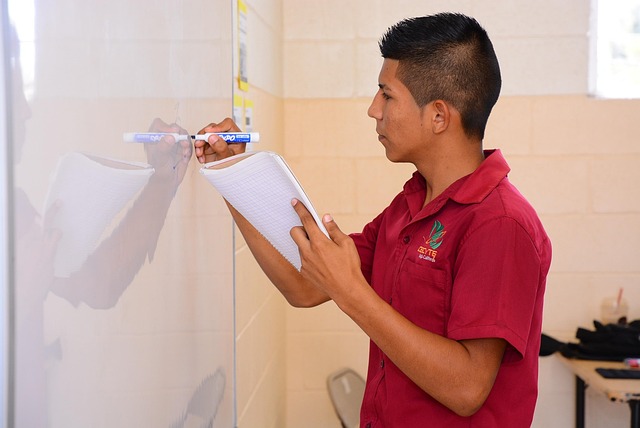
One-on-one tutoring fosters long-term academic confidence through personalized attention, emotional support, and the development of effective study habits. As students build deeper subject mastery and learn to navigate their academic responsibilities, they cultivate a sense of resilience that enhances their personal growth. The combined impact of academic strategies and emotional empowerment leads students on a path towards sustained success in their studies and beyond.