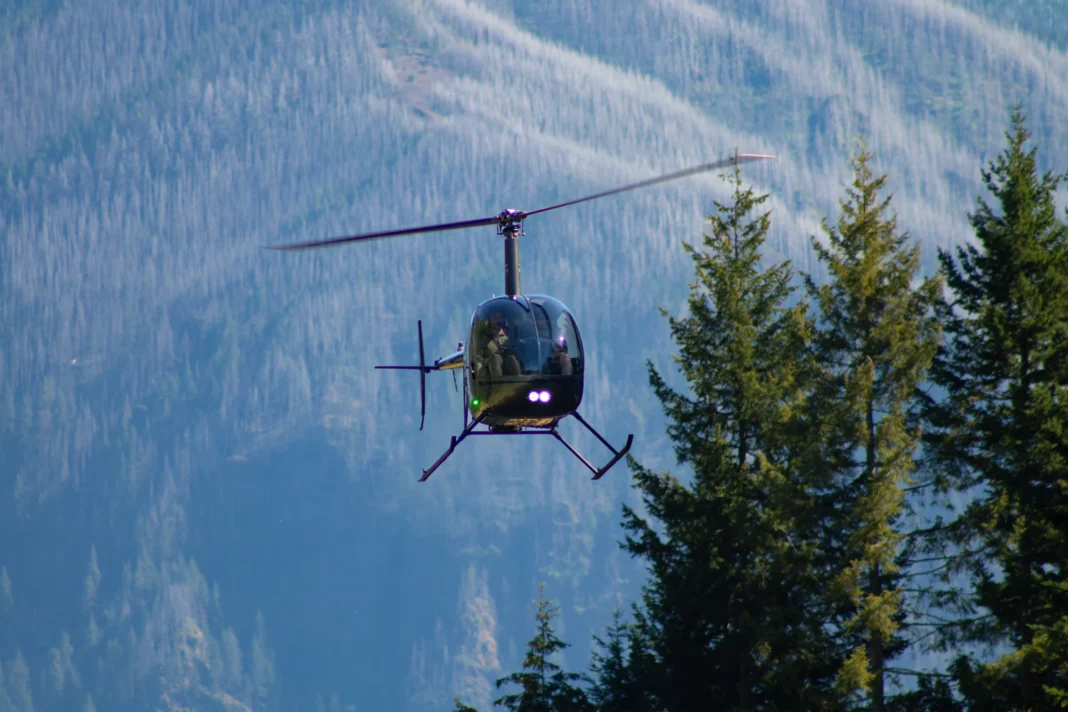

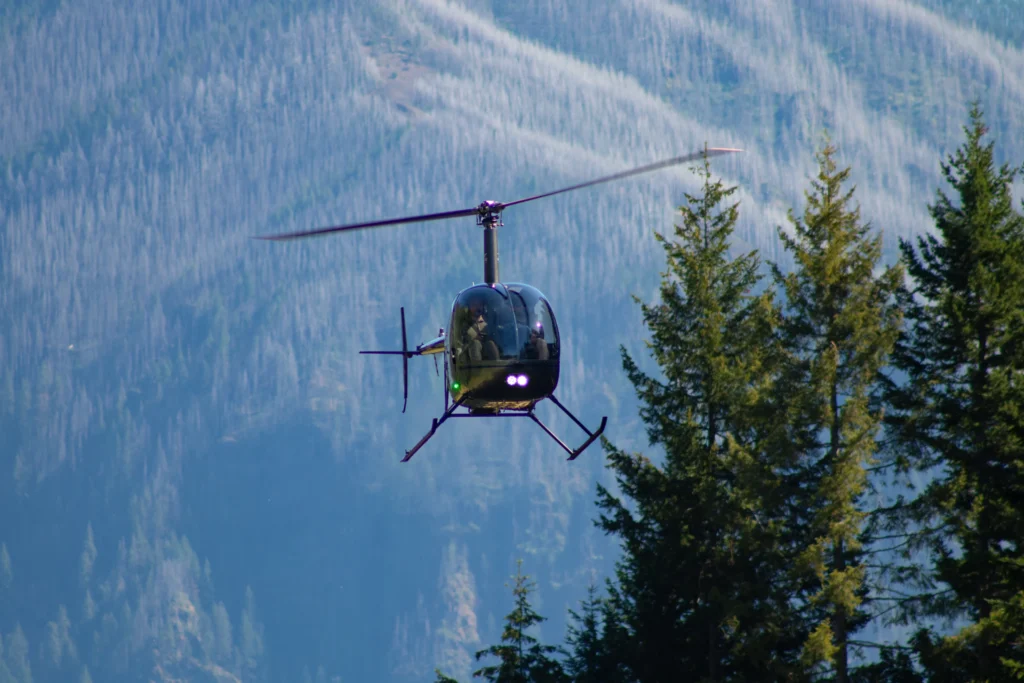
Speed continues to be a very important aspect of aviation. So, what exactly is this flying thing, and how does it perform compared to an airplane or, even better, a helicopter? What interests us is what differentiates one kind of airplane from another. Helicopters, airplanes, and jets each have their features and fulfill different requirements.
Looking at their speeds gives an idea of what each is capable of and where it shines. Understanding how fast helicopters fly can help you appreciate their unique capabilities. Let’s compare these aircraft types. Here are the key differences in speed and performance. Each aircraft serves a distinct purpose in aviation.
Helicopter Speed Basics
Helicopters use rotating blades on top, which give them the ability to take off and land vertically. Most helicopters fly between 120 and 160 mph. This speed comes from the tandem and rotor systems that have unique characteristics and aerodynamic limitations. Helicopters balance lift and thrust differently than airplanes. This technique gives them both advantages and limitations in their safe forward speed.
Airplanes: A Comparison
Airplanes generally travel much faster than helicopters. Most commercial airplanes cruise at speeds of around 500 to 600 miles per hour. Their fixed wings and powerful engines propel them through the sky efficiently. The shape of an airplane’s body reduces resistance, allowing for higher speeds. Unlike helicopters, airplanes require runways for takeoff and landing, but this trade-off allows for swifter travel over longer distances.
Jet Aircraft: The Speed Leaders
Common fast aircraft belong to jets. Passenger aircraft, or commercial jets, fly very fast, traveling 550 to 650 miles per hour. Designed for war and immediate response, military jets can break the sound barrier, traveling well over 1500 miles per hour. They achieve such speeds due to a combination of air-slick designs, high-performance engines, and lightweight components. Jets generally fly at higher altitudes where the air is on the thin side, meaning less drag and higher speeds.
Unique Features of Helicopters
Helicopters have some capabilities that very few, if any, other aircraft can match. That vertical takeoff and landing ability definitely comes in handy for rescue missions and access to remote areas. Helicopters can stay stationary in the air, move horizontally, and land in confined areas. These features are offered at the expense of top-end speed. Instead, the engineering of these machines has been geared toward versatility and maneuverability rather than raw speed.
Technological Innovations and Speed
The last few years have seen experiments to improve helicopter speeds. Experimental helicopters and tiltrotor aircraft have closed in on or surpassed 250 knots. These designs either utilize special rotor systems or are a hybrid between an airplane and a helicopter. Most of these technologies have advanced individual performance; they remain in trials or tailored usages. Helicopters fly within that range of speeds to this day.
Why Helicopters Are Not Faster
Find several reasons why helicopters never reach airplane or jet speeds. When you spin the rotor blades faster, it starts to offer more resistance. Eventually, one side of the rotor faces into the wind while the other side faces away from it, and things become unstable. Its physical limitation is known as retreating blade stall, and it limits the speed of helicopters. While robust motors and lightweight components can help, the overall design of helicopters inherently imposes limitations on their speed.
Applications and Practical Use
There are plenty of roles for helicopters (which are used where speed is less important than flexibility). Emergency services like medical evacuation, firefighting, and news reporting need to get there fast. In these situations, the ability to land almost anywhere surpasses the need for high-speed flight. Airplanes and jets, in contrast, rule the skies over long-distance travel, carrying cargo and getting people across cities quickly.
Future Prospects
Helicopter engineers are always looking for ways to expand helicopter features. Research continues into new materials, advanced rotors, and hybrid types. Eventually, such improvements could help close the speed gap separating helicopters from swifter aircraft. Currently, helicopters fill a valuable niche where other capabilities take precedence over speed.
Conclusion
Helicopters fly around the range of 120 to 160 mph, while airplanes and jet fighters are designed to travel hundreds of miles per hour. Its hovering and vertical landing features enable it to perform a wide range of tasks without any specific limitations. They won’t be able to match the speed of a fixed-wing or jet aircraft, but their flexibility will make them a mainstay in aviation for years to come. Different types of aircraft meet different requirements, and speed is only one part of the story.