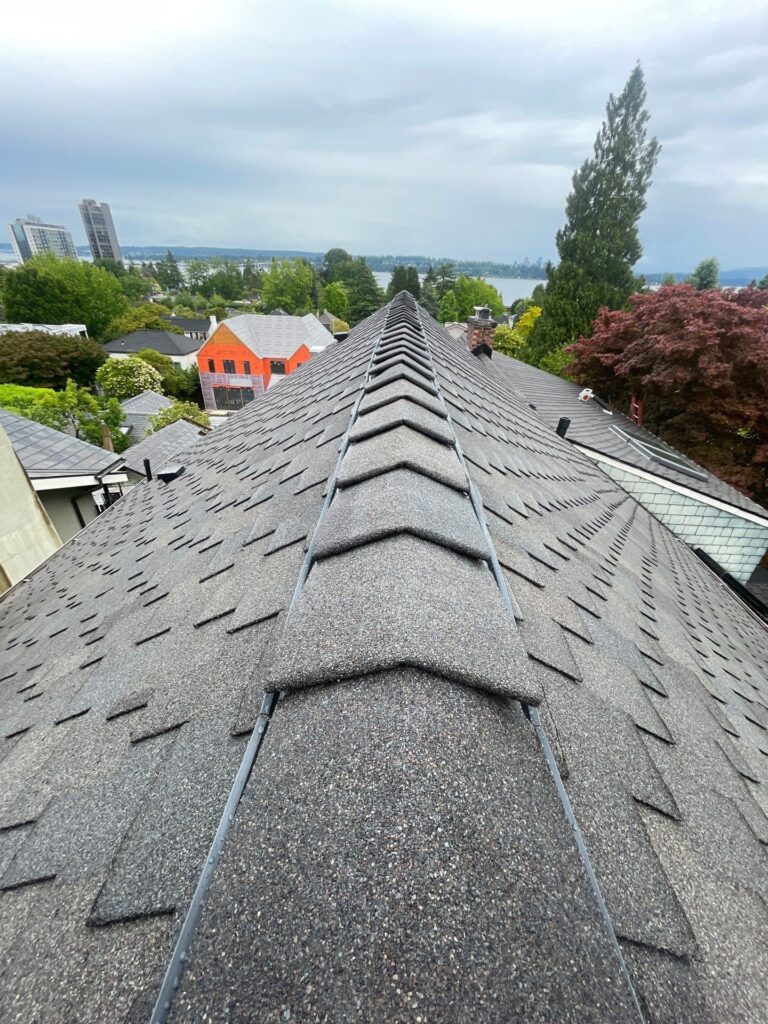
When severe weather strikes, the integrity of your roof can be compromised in ways that aren’t always visible from the ground. Hail, high winds, heavy rain, and fallen debris can all cause damage that may lead to leaks, structural issues, or costly repairs if left unaddressed. This is where a professional roofer comes in. A roofer is trained to thoroughly inspect roofs for signs of storm damage and provide guidance on repairs or replacement. Understanding how a roofer conducts an inspection can help homeowners act quickly and protect their investment.
Initial Assessment from the Ground
Before climbing onto the roof, a roofer begins with a detailed ground-level assessment. This allows them to identify obvious signs of damage safely. They look for missing, cracked, or curling shingles, dents in metal components, and signs of water pooling around gutters or downspouts. A roofer may also examine the condition of the roof’s edge, flashing, and vents. In addition, checking the exterior of the home for fallen branches, damaged siding, or gutters can provide clues about the severity of the storm’s impact.
Close-Up Roof Inspection
Once the roofer has completed the initial assessment, they will move on to a closer, hands-on inspection. This often involves climbing onto the roof to examine it from multiple angles. A professional roofer checks shingles for granule loss, splits, or bruising caused by hail. They also inspect valleys and ridges, which are particularly vulnerable areas where water can seep in if shingles are damaged. Flashing around chimneys, skylights, and vents is carefully evaluated, as storm winds can loosen these protective seals.
Using Technology for Accuracy
Modern roofing inspections often incorporate technology to detect damage that may not be immediately visible. A roofer may use binoculars, drones, or infrared cameras to identify issues such as hidden leaks, heat loss, or weakened roof materials. This technology helps ensure that even subtle damage is caught early, preventing more serious problems later. By combining traditional inspection methods with advanced tools, a roofer can provide a thorough evaluation of the roof’s condition.
Checking the Attic and Interior
A comprehensive storm damage inspection doesn’t stop at the roof’s surface. A roofer will typically examine the attic and interior ceilings for signs of water intrusion. Stains, damp insulation, and mold growth can indicate leaks that may not be visible from the outside. By looking at both the interior and exterior, the roofer gains a complete understanding of how the storm has affected the home.
Documenting and Reporting Damage
After the inspection is complete, the roofer will document all findings. This documentation usually includes photographs of damaged areas, detailed notes on the type and extent of damage, and recommendations for repairs or replacement. This information is particularly valuable when filing an insurance claim, as it provides a clear record of storm-related damage. A professional roofer can also help homeowners navigate the insurance process and ensure that repairs are covered appropriately.
Making Repairs and Preventing Future Damage
Once the inspection and documentation are complete, the roofer can schedule necessary repairs. Prompt attention to storm damage is crucial, as delays can lead to water damage, mold, and structural issues. In addition to repairs, a roofer may suggest preventive measures, such as reinforcing vulnerable areas, installing impact-resistant shingles, or improving attic ventilation to extend the roof’s lifespan.
Conclusion
A roofer plays a critical role in assessing and repairing storm damage. From initial ground-level observation to advanced inspections using technology, a roofer ensures that every part of the roof is thoroughly evaluated. By acting quickly and hiring a professional, homeowners can protect their investment, maintain the safety of their home, and avoid costly repairs down the line. Understanding how a roofer inspects a roof for storm damage helps homeowners appreciate the expertise involved and the importance of regular roof maintenance.