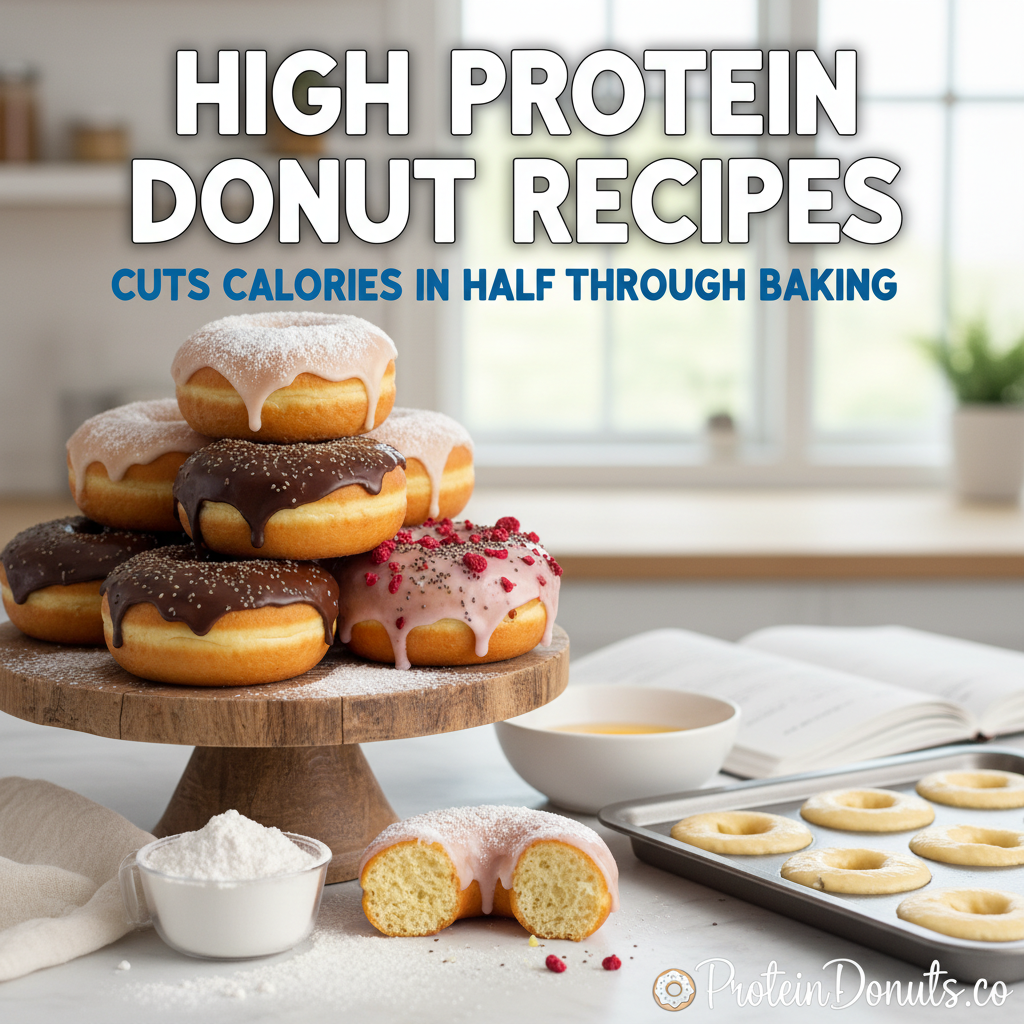
Fried Donuts Pack 300-500 Calories: Baked Versions Cut That in Half
Traditional donut shops deep-fry dough in oil. The frying process adds hundreds of calories instantly. Glaze and toppings pile on more sugar. One donut equals a small meal calorically, with minimal nutrition.
A platform called ProteinDonuts.co is reimagining the entire donut concept with 29+ macro-verified options. The site features high-protein donut recipes delivering 15-25 grams of protein per serving while being baked instead of fried. Calories drop to 150-250 per protein donut serving, typically. The donut shape stays intact while nutrition improves dramatically.
Why Baking Changes Everything
Baked donuts require a donut pan with six cavities. Spray each donut mold cavity with cooking spray before filling. The prepared pan prevents sticking after baking is complete.
Oven baking eliminates oil absorption completely. No deep fryer mess gets created. The kitchen stays cleaner throughout the process. Homemade donuts become accessible to people without specialty equipment.
Air fryer versions work identically for smaller batches. The air fryer cooks donuts in 8-10 minutes. Golden brown exterior develops without any oil needed. Let them cool before glazing for best results.
Donut Pan Versus Muffin Pan
A proper donut pan creates an authentic donut shape with center holes. The rings bake evenly from all sides. Specialty pans cost $10-15 and last for years.
Muffin pan donuts work as substitutes without center holes. The batter fills standard muffin cups halfway. The result resembles donut holes or muffin tops. The taste stays identical regardless of shape.
Flour Selection Impacts Texture
Regular all-purpose flour creates a classic, fluffy texture. Purpose flour works asa standard base for most recipes. Almond flour reduces carbs while adding protein naturally.
Oat flour provides fiber plus whole-grain nutrition. Bob’s Red Mill brand offers reliable gluten-free flour blends. Gluten-free versions taste delicious when flour is measured precisely.
Mixing flour types creates interesting textures. Half all-purpose flour and half almond flour balances benefits. The protein content increases while maintaining proper rise.
Wet Ingredients Drive Moisture
Greek yogurt adds tanginess plus substantial protein per donut. The yogurt keeps baked donuts moist for days. Vanilla extract rounds out flavor without adding calories.
Eggs bind ingredients while contributing protein naturally. Flax egg substitutes work for vegan versions. Mix ground flax with water and wait 5 minutes before adding.
Milk or almond milk thins the batter to a pourable consistency. Olive oil or coconut oil adds healthy fats minimally. Honey or maple syrup sweetens naturally without refined sugar.
Protein Powder Integration Method
Add vanilla protein powder to dry ingredients before mixing. Whey protein creates the smoothest texture in donut batter. The protein powder is sifted with flour and baking powder together.
Too much protein powder dries out donuts completely. The ratio of protein powder to regular flour matters tremendously. Most recipes use 1/4 to 1/3 cup protein powder maximum.
Baking Time and Temperature
Preheat oven to 350 degrees for even baking. Fill donut molds 2/3 full with batter. Overfilling creates misshapen donuts without holes.
Bake 12-15 minutes until tops spring back when touched. Golden brown color indicates doneness perfectly. Cool in the pan for 5 minutes before transferring.
Remove donuts to a wire rack for complete cooling. Warm donuts break apart easily when handled. Let them cool 15-20 minutes minimum before glazing.
Glaze Options Beyond Sugar
Vanilla glaze uses powdered sugar, milk, and vanilla extract. The mixture drizzles over the cooled donuts smoothly. A shallow bowl holds glaze for dipping tops.
Chocolate glaze combines cocoa powder with powdered sugar and milk. The chocolate coating hardens slightly after 10 minutes. Sprinkles get added while the glaze stays wet.
Greek yogurt glazes replace powdered sugar entirely. Mix Greek yogurt with honey and vanilla extract. The protein content increases further with yogurt-based glaze.
Coconut oil glazes use melted coconut oil plus cocoa powder. The mixture firms up at room temperature naturally. Dairy-free donuts become a reality with coconut-based options.
Sweet Treat Without Guilt
High-protein donuts satisfy sweet tooth cravings completely. The fluffy texture matches traditional donuts surprisingly well. Soft interiors stay moist through proper storage.
Calories per donut range from 150 to 250, depending on toppings. Regular fried donuts deliver 300-500 calories easily. The difference adds up fast for frequent donut eaters.
Storage and Freshness
Store cooled donuts in an airtight container at room temperature. The donuts stay soft 3-4 days without drying out. Refrigeration extends the freshness to one week easily.
Freeze unglazed donuts for longer storage. Wrap individually before freezing. Thaw overnight and glaze fresh for breakfast.
Simple Ingredients Philosophy
Most recipes use 8-10 simple ingredients total. Salt balances sweetness naturally. Butter adds richness in small amounts. Baking soda or baking powder provides lift.
Complex recipes get avoided intentionally. More recipes mean more options without complexity. The mixing bowl method keeps preparation straightforward. Nutrition stays transparent with clear labeling.
Flavor Variety Available
Classic glazed protein donuts remain perpetual favorites. Chocolate versions use chocolate glaze and cocoa in the batter. Cinnamon sugar coatings replace traditional glazes for variety.
Maple glazes use real maple syrup plus powdered sugar. Lemon donuts incorporate lemon zest and juice. The variety prevents donut fatigue across weeks.
ProteinDonuts.co proves high protein donut recipes transform fried indulgence into baked nutrition without sacrificing the beloved donut shape.
Frequently Asked Questions
Can I make gluten-free protein donuts using regular donut recipes?
Yes, substitute all-purpose flour with gluten-free flour blends or almond flour in protein donut recipes, maintaining the same protein powder ratios.
Should cocoa powder go with dthe ry ingredients in the mixing bowl?
Yes, cocoa powder mixes with flour, protein powder, and baking powder in the mixing bowl before wet ingredients are added for even distribution.