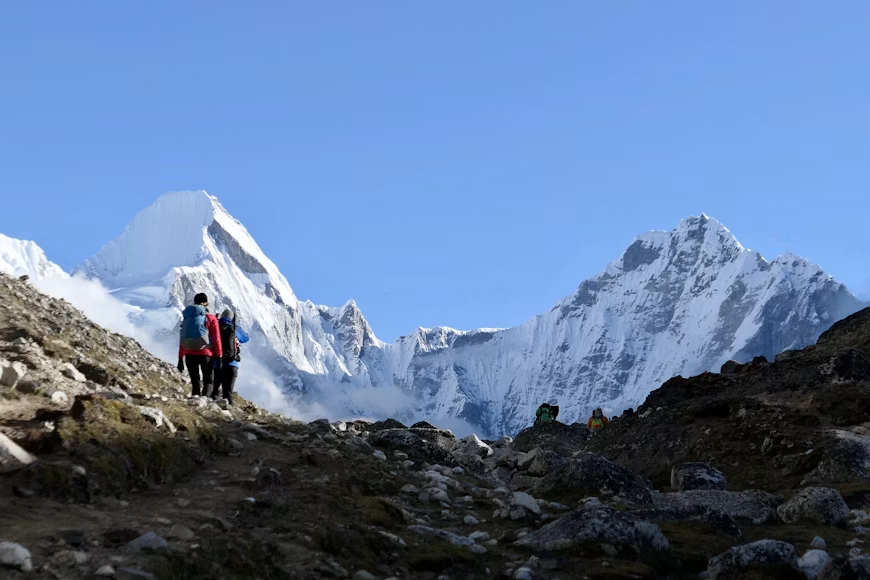
The High Passes Trek in Nepal takes you to serene trails of Himalayas where every footstep feels like stepping into a new world. The crisp air, incredible mountain views, rich cultural experiences and thrill of crossing challenging parts of the trails are the major attractions of the High Passes treks.
The Everest Three High Passes Trek, Annapurna Circuit Trek, Upper Dolpo Trek and Manaslu Circuit Trek are some famous high passes treks in Nepal. These trekking adventures are indeed demanding. However, with the right preparation and positive mindset the High Passes trek in Nepal will reward you with an unforgettable and enjoyable experience that stays with you for a long time.
Tips for a Successful and Enjoyable High Passes Treks in Nepal
Prepare for High Altitude
Before joining high altitude adventures, you should make sure to prepare adequately. The high passes treks in Nepal are often lengthy. For example, the Everest Three High Passes Trek’s total duration can range between 16 and 19 days.
Likewise, the Manaslu Circuit trek usually can be completed in 12-15 days. Annapurna Circuit trek which requires crossing of the Thorong La Pass (5,416 m) can also take around 12 to 15 days. All these high altitude adventures are demanding and require you to have a good level of strength and endurance.
So, it is essential to be proactive and train at least 3 to 4 months before beginning your trek. You can do strength exercises like planks, deadlifts, squats, step ups, push ups etc for balance and mobility.
Cardio workouts like swimming, jumping rope, running and stair climbing are also highly recommended by experts. You may also go for hiking to nearby hilly areas while carrying the backpack to get familiar with navigation which will be a lot helpful during the actual trek.
Choose the Right Season
The weather conditions can influence the success of the trek. For high Passes treks in Nepal, Spring (March to May) and Autumn (September to November) are considered the right season.
Spring and autumn offer mild weather, great visibility and well-defined trekking paths. The chances of weather related disruptions are also lower during this season. So, you won’t face any major obstacles while navigating the high passes of the Himalayas.
The trekking atmosphere in Spring and Autumn is pleasant, and mountain views are exceptional. The climate is also mostly stable, with very little likelihood of heavy rains, snow or high winds. In addition, the daytime temperatures are mild, which is considered perfect for traversing.
If you choose to trek in any of these ideal seasons, you can complete the trek smoothly under clear skies without facing delays because of weather-related obstructions. So, for the best experiences on trekking trails of Nepal, it is highly recommended to trek in Spring or autumn Months.
Include Acclimatization Day in Your Itinerary
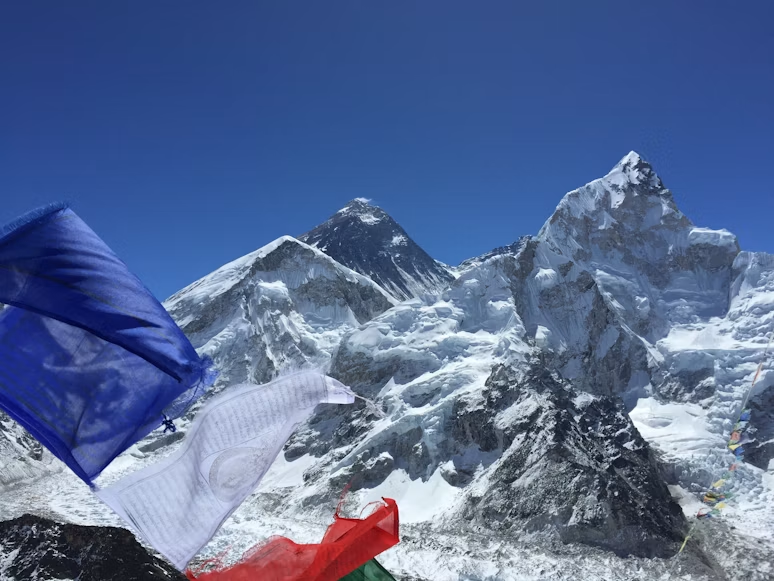
For high passes treks in Nepal, you must keep acclimatization day in your itinerary. The high passes trek takes you to different higher elevations. At such elevations, the air is thinner. So to get used to such a high Himalayan environment, you must include an acclimatization day in your itinerary.
Generally, the standard itinerary of a high-altitude trek in Nepal is crafted by including acclimatization days. For example, during the Manaslu Circuit trek, the acclimatization day is kept on Samagaun or Samdo. Likewise, Everest three high passes trek, it is scheduled on Namche Bazaar and Dingboche or Chukkung.
During the acclimatization day, we can hike to high altitude during the daytime and return to the lower area for the overnight stay.
Pack Light but Smart
During most of the high passes trekking in Nepal, you will be in the remote Himalayan areas for several days. The weather in this high Himalayan area differs with the elevation. So you need to pack all essentials that are required for the smooth journey.
In the remote Himalayan areas, the number of shops or stores is limited and may not even be available. So, you need to prepare for the trek and bring essentials from the city area. For high passes trek, make sure to pack layered clothing. You must bring base layers, insulating mid layers and waterproof outer layers.
Layering can help you adjust your clothing according to the current temperatures. In addition, you must also pack warm gloves, beanie, scarf to protect yourself from the cold weather of the Himalayas.
Furthermore, trekking gear is also essential for traversing the high altitude areas of the Himalayas. You must pack trekking poles, headlamps and sleeping bag. Even microspikes are required to cross the high passes especially when passes are icy, slippery or covered with snow.
Along with clothing and gear, you must also bring personal care essentials, a first aid box, reusable water bottle and high energy snacks. With right packing, you can maintain hygiene and stay comfortable and secure throughout the journey.
Trek Gradually
You should always walk at a gradual pace at high altitudes. In fact, trekking at a comfortable and gradual pace is one of the best techniques to acclimatize to the high Himalayan environment.
Ascending too quickly can cause exhaustion and affect the acclimatization process. However, if you maintain gradual pace, energy can be conserved and altitude strain will be reduced. By trekking gradually, your body can get time to adjust to the lower oxygen levels.
When you trek up too quickly, your body cannot adapt fast enough. So, there is a likelihood of altitude sickness. But when you trek slowly, your body can gradually produce more red blood cells which will then carry oxygen more efficiently making the adaptation safe and minimizing the likelihood of altitude sickness, which ultimately helps trekkers enjoy a safe and enjoyable journey.
Watch Weather Conditions Closely
Weather monitoring is important while trekking in Nepal especially while crossing high passes. When the weather is stable and visibility is good, then navigating high passes becomes less demanding. That’s why you should head out only after being assured that conditions are secure.
Weather in Himalayas can fluctuate quickly. So, you should monitor the weather regularly. You should follow the advice of your guide before crossing passes. Guides know about weather conditions and can decide the best time to head out safely. If conditions do not improve, they make modifications to the itinerary and suggest trekking through other secure routes.
Even if you cannot make it to your intended location, they will make sure that the day gets utilized well by taking you on an exploration of other scenic hidden gems that are safe. That said, make sure to be ready for itinerary modifications when needed.
Stay Hydrated and Eat Well
It is advisable that you maintain proper hydration at high altitude because the body loses water much quicker than usual. The dry air of mountains combined with increased breathing makes you prone to becoming dehydrated. So you will need to ensure proper hydration. You have to drink water regularly while trekking.
Eating nutrient rich meals also is important as it will help you gain energy and stamina. You might opt for protein based foods along with carbohydrate rich meals that will provide energy during the climb.
Proper hydration and nutrient rich meals also help you stay healthy and support acclimatization at high altitude. By maintaining proper hydration and eating well, you will have enough energy for the journey across high passes of Himalayan region.