Is this the end of the line for streetcars in D.C.? Maybe not forever, but for the foreseeable future, it sure looks that way. The city shifts focus to cleaner, smarter transit options.
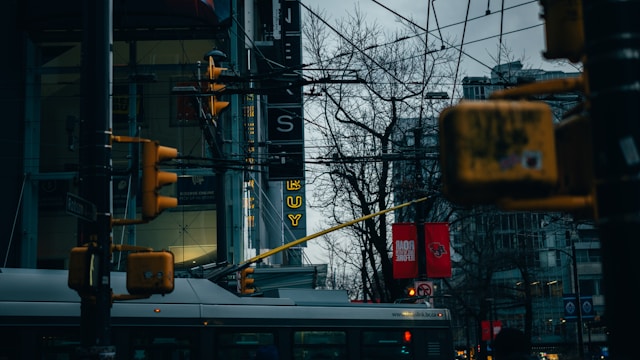
Photo from Unsplash.com
It is official now! After nearly a decade of slowly rolling through H Street NE, D.C.’s streetcar system is likely heading into early retirement. If you have ever hopped on the free ride between Union Station and Benning Road, or just watched one inch past you in traffic, you probably have some thoughts about this.
Now, according to Mayor Muriel Bowser’s latest budget proposal, the streetcars could be phased out within the next two years. They will make way for a new, hopefully more efficient replacement: electric buses. You can get it, but some work is to be done. Let’s dig deeper.
Why Streetcars Are Hitting a Dead End
According to the D.C. Department of Transportation (DDOT), the problem is not just that the streetcar line is underwhelming. It can be solved as it works with a cycle accident compensation – you can easily calculate settlement yourself. The thing is that it is very expensive and not all that useful in its current form. Here is what you need to know:
- The line only runs along a 2.4-mile stretch of H Street NE and Benning Road.
- The streetcars do not have their own lane, so they get stuck in regular traffic.
- The fleet of six streetcars is aging, and each replacement would cost about $11 million per vehicle.
- Extending the line would cost well over $100 million.
That is a lot of money for a system that, in the eyes of District leaders, just does not go far enough to be worth the investment.
A Long Ride to Nowhere?
When the streetcar line launched back in 2016, it was a moment D.C. transportation officials had dreamed about for years. After half a century without streetcars in the District, the return was supposed to transform public transit in Northeast D.C.. It was expected to bring new business, development, and an easy way to zip across the neighborhood. But for many residents and business owners along the H Street NE corridor, it has been a mixed bag.
“Oh, the neighborhood has changed a lot,” said Kendra Mines, who owns Dynamic Wellness, a natural supplements shop on H Street. She remembers how hard it was for local businesses during the seemingly endless years of construction and planning before the streetcars even launched. “We lost all kinds of business,” she said.
And just as people were getting used to the idea of the streetcar — free to ride, sleek-looking, even a bit nostalgic — comes word that it could disappear soon. Her reaction? “Blank stare, blink, blink,” she joked. “Like, why?”
The Electric Bus Solution
Instead of pouring more money into a struggling streetcar program, the city is now looking to switch gears. The proposed replacement? Electric buses, possibly electric trolley buses that can use the overhead wires (catenaries) already installed for the streetcars.
“The city administrator describes electric trolley buses; thus, you can take advantage of the catenaries that charge the streetcars, but they are rubber tires,” explained DDOT Director Sharon Kershbaum. “That means it is far less expensive; you do not need to lay down tracks.” Unlike the streetcars, these buses can move around traffic, avoid blocked lanes, and be more easily rerouted or extended in the future.
What’s Next for H Street?
If the current plan sticks, D.C.’s streetcars will keep rolling along for the next two years. It will give DDOT time to plan and launch the new electric bus system. Riders can still hop on and off for free (for now), and the city says it will be working on a broader east-west transit connection that serves more of the District. Of course, the big question still looms: what happens to the vision that the streetcar once promised?
When the system was first introduced, many developers and city planners pointed to it as a catalyst for revitalization. And to be fair, H Street has boomed in the past decade. New restaurants, shops, apartment buildings, and nightlife spots have all emerged along the route. But it is hard to say whether the streetcar truly drove that growth or just happened to be there for the ride.
Was It Worth It?
For longtime residents, the streetcar saga has become almost symbolic of D.C.’s complicated relationship with public infrastructure. Bold ideas. Delays. Budget overruns. And in this case, a transit system that never quite lived up to the hype.
The streetcar was decades in the making. It faced countless technical issues and political pushback, and ultimately served a limited audience. Still, it wasn’t all for nothing. The overhead infrastructure, the lessons learned, and the attention to Northeast neighborhoods helped pave the way for future investment. Besides that, the switch to electric buses could bring greener, more equitable transit to a wider part of the city.
The Future Is (Hopefully) Electric
If all goes according to plan, D.C.’s new electric buses will use the existing wires, cover more ground, and allow for easier upgrades down the road. They will also fit better into a city that is already moving toward carbon neutrality and reducing reliance on gas-powered vehicles. It is not the romantic return of vintage streetcars some had hoped for, but it might just be the practical solution D.C. needs.
Final Stop?
So, is this the end of the line for streetcars in D.C.? Maybe not forever, but for the foreseeable future, it sure looks that way. As the city shifts focus to cleaner, smarter transit options, the H Street streetcars might become a quirky chapter in local history. For now, they will keep rolling. But if you have ever wanted to take a ride, you might want to do it soon.