
For people diagnosed with obstructive sleep apnea (OSA), choosing the right treatment approach can feel overwhelming. Many patients are familiar with CPAP therapy, but some may also wonder whether surgery could provide a longer-term solution.
Both CPAP and surgery are established treatment options for sleep apnea, but they work in different ways and may be suitable for different patients.
CPAP focuses on keeping the airway open during sleep using continuous air pressure, while sleep apnea surgery aims to address physical factors that contribute to airway blockage.
There is no single treatment that is suitable for everyone. The recommended approach depends on factors such as the severity of sleep apnea, airway anatomy, symptoms, medical history, lifestyle preferences and treatment goals.
What Is Obstructive Sleep Apnea?
Obstructive sleep apnea is a condition where the upper airway becomes partially or completely blocked during sleep.
When the airway narrows, breathing may become reduced or temporarily stop. The brain then triggers brief awakenings to restore normal breathing.
These repeated disruptions may affect sleep quality and prevent the body from achieving sufficient restorative sleep.
Common symptoms of sleep apnea include:
- Loud snoring
- Breathing pauses during sleep
- Waking up choking or gasping
- Excessive daytime tiredness
- Morning headaches
- Poor concentration
- Dry mouth after waking
- Unrefreshing sleep
Many people with sleep apnea do not realise they have the condition because symptoms occur while they are asleep.
Why Does Sleep Apnea Need Treatment?
Untreated sleep apnea may affect more than sleep quality.
It may contribute to:
- Daytime fatigue
- Reduced concentration
- Mood changes
- Lower productivity
- Increased risk of accidents due to sleepiness
Sleep apnea can also be associated with health concerns such as:
- High blood pressure
- Cardiovascular problems
- Metabolic conditions
Treatment aims to improve breathing during sleep, reduce symptoms and support better overall health.
What Is CPAP Therapy?
CPAP, or continuous positive airway pressure therapy, is one of the most commonly used treatments for obstructive sleep apnea.
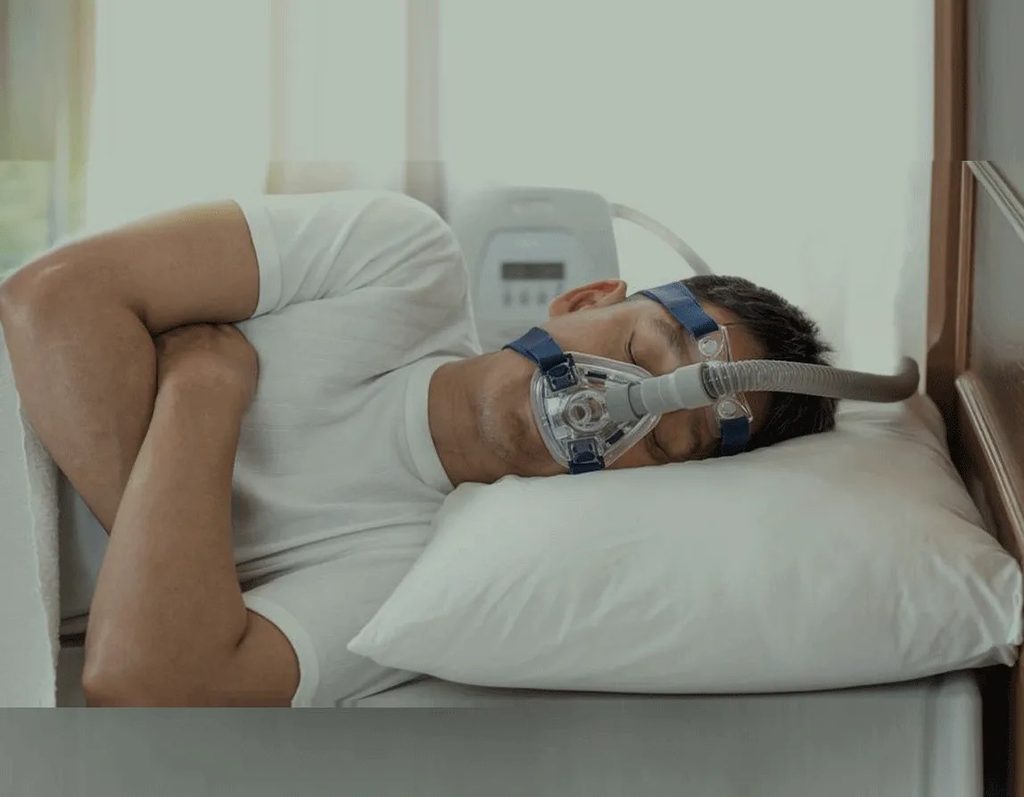
It works by delivering a steady flow of pressurised air through a mask worn during sleep. The air pressure helps prevent the airway from collapsing, allowing normal breathing to continue.
A CPAP system typically includes:
- A machine that generates airflow
- A mask worn over the nose, mouth or both
- Tubing connecting the machine and mask
Benefits of CPAP Therapy
1. Effective Airway Support
CPAP is effective at maintaining airway openness during sleep.
For many patients, it can significantly reduce:
- Breathing interruptions
- Snoring
- Sleep disruption
2. Non-Surgical Treatment Option
CPAP does not involve surgery and can be started once prescribed and properly fitted.
This may appeal to patients who:
- Prefer non-surgical treatment
- Are not suitable for surgery
- Want to manage symptoms without procedures
3. Adjustable Treatment
CPAP settings can often be adjusted based on treatment response.
Healthcare providers can review:
- Usage data
- Mask fit
- Treatment effectiveness
- Ongoing symptoms
4. Suitable for Many Patients
CPAP is commonly recommended for:
- Moderate to severe sleep apnea
- Patients with significant symptoms
- Individuals with certain medical risk factors
Challenges With CPAP Therapy
Although CPAP can be highly effective, some patients experience difficulties using it consistently.
Common challenges include:
Mask Discomfort
Some patients may experience:
- Pressure marks
- Air leaks
- Discomfort while sleeping
Finding the right mask type and fit can improve comfort.
Difficulty Adjusting to the Device
Some patients may initially find it uncomfortable to sleep while wearing a mask.
Adjustment may take time and support.
Dryness or Nasal Symptoms
Some users experience:
- Dry nose
- Dry mouth
- Nasal irritation
Humidification and appropriate mask selection may help.
Long-Term Commitment
CPAP works when it is used consistently. Patients need to use the device during sleep to maintain its benefits.
What Is Sleep Apnea Surgery?
Sleep apnea surgery refers to procedures that aim to improve airflow by addressing physical causes of airway obstruction.
The type of surgery depends on where the airway narrowing occurs.
Possible areas involved include:
- Nose
- Soft palate
- Tonsils
- Tongue base
- Other upper airway structures
Common Types of Sleep Apnea Surgery
1. Tonsil Surgery
Enlarged tonsils can narrow the airway, particularly in children but also in some adults.
Removing enlarged tonsils may help improve airflow in suitable patients.
2. Nasal Surgery
Some patients have nasal blockage that affects breathing during sleep.
Procedures may address issues such as:
- Deviated nasal septum
- Enlarged nasal tissues
- Structural nasal obstruction
Improving nasal airflow may help some patients breathe more comfortably.
3. Palate Procedures
The soft palate and surrounding tissues may contribute to airway collapse.
Selected procedures aim to reduce obstruction in this area.
4. Other Airway Procedures
For some patients, more advanced airway procedures may be considered depending on anatomy and severity.
A doctor specialised in ENT will assess the specific area causing obstruction before recommending surgery.
Benefits of Sleep Apnea Surgery
1. Addresses Physical Causes of Airway Blockage
Unlike CPAP, which provides external airway support, surgery aims to modify anatomical factors contributing to obstruction.
Examples include:
- Enlarged tissues
- Nasal blockage
- Structural narrowing
2. May Reduce Dependence on CPAP
Some patients who are suitable for surgery may be able to reduce their reliance on CPAP after successful treatment.
However, outcomes vary between individuals.
3. May Improve Breathing During Sleep
For suitable candidates, surgery may help improve airflow and reduce sleep apnea severity.
Limitations of Sleep Apnea Surgery
Surgery is not suitable for everyone.
Considerations include:
Results Vary
Surgical outcomes depend on:
- Location of airway blockage
- Severity of sleep apnea
- Patient anatomy
- Weight factors
- Overall health
Recovery Period
Surgery requires healing time and may involve:
- Pain
- Swelling
- Activity restrictions
- Follow-up care
Sleep Apnea May Persist
Some patients may continue to experience sleep apnea after surgery and may require additional treatment.
CPAP vs Surgery: Key Differences
| CPAP Therapy | Sleep Apnea Surgery | |
| Treatment approach | Keeps airway open using air pressure | Addresses physical airway obstruction |
| Requires surgery | No | Yes |
| Daily use | Used during sleep | Usually one-time procedure with recovery |
| Adjustability | Settings can be modified | Results depend on anatomy and procedure |
| Suitable for | Many moderate to severe cases | Selected patients with suitable anatomy |
| Recovery period | No surgical recovery | Requires healing time |
| Long-term commitment | Requires regular use | Requires post-surgery monitoring |
How Doctors Decide Between CPAP and Surgery
The choice between CPAP and surgery depends on several factors.
1. Severity of Sleep Apnea
Patients with more severe sleep apnea may require treatments that provide reliable airway support.
2. Airway Anatomy
An ENT specialist may assess whether physical blockage contributes to symptoms.
Factors may include:
- Nasal obstruction
- Enlarged tonsils
- Palate structure
- Tongue position
- Airway size
3. CPAP Tolerance
Some patients respond well to CPAP, while others struggle with long-term use.
Doctors may discuss alternatives when:
- CPAP is difficult to tolerate
- Mask discomfort persists
- Treatment adherence is challenging
4. Patient Preferences
Treatment decisions should consider:
- Lifestyle
- Comfort
- Personal goals
- Willingness to undergo surgery
- Long-term expectations
Can Surgery Replace CPAP Completely?
For some patients, surgery may reduce sleep apnea severity and decrease the need for CPAP.
However, surgery does not guarantee that CPAP will no longer be required.
Outcomes depend on:
- Severity of sleep apnea
- Surgical procedure
- Individual anatomy
- Weight changes
- Long-term follow-up
Some patients may still need CPAP or other treatments after surgery.
Are There Alternatives Besides CPAP and Surgery?
Depending on the patient, other options may include:
Lifestyle Changes
These may involve:
- Weight management
- Improving sleep habits
- Avoiding alcohol before bedtime
- Sleeping position changes
Oral Appliances
Some patients may benefit from devices that reposition the jaw or tongue to improve airflow.
Treating Nasal Problems
Managing allergies or nasal obstruction may improve breathing comfort.
The most suitable option depends on the individual patient.
When Should You See an ENT Specialist for Sleep Apnea?
Consider seeing an ENT specialist if you experience:
- Loud snoring
- Breathing pauses during sleep
- Daytime sleepiness
- Poor sleep quality
- Difficulty tolerating CPAP
- Persistent nasal blockage
- Concerns about airway obstruction
An ENT specialist can assess whether structural factors contribute to sleep apnea and discuss suitable treatment options.
CPAP and surgery are both important treatment options for obstructive sleep apnea, but they work in different ways. CPAP provides continuous airway support during sleep, while surgery aims to address physical factors contributing to airway obstruction.
The best treatment choice depends on the individual patient, including sleep apnea severity, airway anatomy, symptoms, health factors and personal preferences.
Patients should discuss their options with an ENT specialist or sleep doctor to understand which approach is most suitable for their condition and long-term goals.
This article is for general information only and should not replace medical advice from a qualified healthcare professional.