
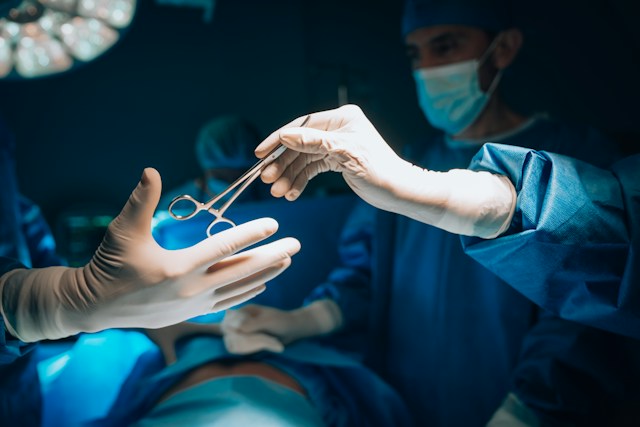
Photo by César Badilla Miranda on Unsplash
Few health topics attract as many strong opinions as travelling for cosmetic surgery. Friends, relatives and social media all have something to say, and much of it is out of date or simply wrong. Some people are convinced it is always dangerous. Others assume it is a cheap shortcut with no downsides.
The truth sits somewhere in between. Here are some of the most common myths, and what the facts say.
Myth 1: Surgery abroad is always lower quality
Fact: Quality depends on the surgeon and clinic, not the country.
Many surgeons working in European countries such as Poland trained in highly regarded medical schools, and some have worked in UK hospitals. Clinics within the European Union also work under EU rules for medical devices such as implants. There are excellent and poor clinics in every country, including the UK. Your job is to find a good one.
Myth 2: It is cheaper because corners are cut
Fact: Lower prices usually reflect lower running costs.
Wages, rent, insurance and general overheads are much lower in many parts of Europe. That allows clinics to charge less while still using qualified staff and good equipment. That said, an unusually low price compared with other clinics in the same country can be a warning sign, so always compare like with like. Looking at a full price list for cosmetic surgery abroad from a well-reviewed clinic helps you judge what a fair price looks like.
Myth 3: You cannot check a foreign surgeon’s credentials
Fact: You can, and you should.
Surgeons in EU countries are registered with national medical authorities. Ask your surgeon for their registration details and check them. You can also ask about professional memberships, training history and how many times they have performed your procedure.
Myth 4: There is no aftercare once you leave
Fact: Aftercare varies, so ask about it before you book.
Some clinics offer very little once you fly home. Others provide check-ups before you leave, UK contact numbers, video follow-ups and online patient support groups. The difference between clinics can be large, which is why aftercare should be one of your first questions.
Myth 5: You can fly home the next day
Fact: Most procedures need several days of recovery before flying.
Flying soon after surgery increases the risk of blood clots and other complications. Depending on the procedure, surgeons usually advise staying nearby for between four and fourteen days. Any clinic that suggests flying home the day after major surgery is not putting your safety first.
Myth 6: Language barriers make it unsafe
Fact: Many clinics that treat UK patients work in English.
Clinics with large numbers of British patients usually have English-speaking surgeons, nurses and coordinators. Some have UK-based offices or phone lines. Check how you will communicate before you book, and make sure you can talk to your surgeon directly.
Myth 7: Combining several procedures is always good value
Fact: It can be, but only when it is safe.
Combining procedures can save money because you travel once and stay in hospital once. However, longer operations carry greater risks. A responsible surgeon will only combine procedures when it is safe for you, and may suggest splitting them into two stages.
Myth 8: Celebrity endorsements prove a clinic is good
Fact: Endorsements are marketing, not medical evidence.
It is fine to notice that a clinic has treated well-known people, but it tells you little about your own likely result. Independent patient reviews, before and after photos of ordinary patients and the surgeon’s qualifications are far more useful.
Myth 9: The NHS will not help if something goes wrong
Fact: The NHS will treat urgent complications, but it may not fix cosmetic results.
If you develop an infection or another medical emergency after returning home, NHS services will treat you. They will not usually correct a cosmetic result you are unhappy with. That is why choosing a clinic with a clear revision policy matters.
Myth 10: Everyone who goes abroad regrets it
Fact: Most patients who research carefully are happy with their results.
Stories about surgery gone wrong get a lot of attention, but they do not represent the majority. Patient choice awards and independent review sites show many clinics with high satisfaction ratings from UK patients.
How to separate good clinics from bad
The best way to avoid the problems behind the myths is to research thoroughly:
– Check the surgeon’s qualifications and registration
– Read independent reviews from UK patients
– Get a written, itemised quote
– Ask detailed questions about aftercare and revisions
– Plan enough recovery time before flying home
A transparent clinic will make this easy. One example of a provider of plastic surgery abroad lists its surgeons, its patient awards, its prices and its UK contact numbers openly, which gives you plenty to check before you commit.
The balanced view
Cosmetic surgery overseas is neither a guaranteed bargain nor a guaranteed disaster. It is a medical decision that deserves the same care as any other. With good research and realistic expectations, it can be a safe and affordable option for many UK patients.