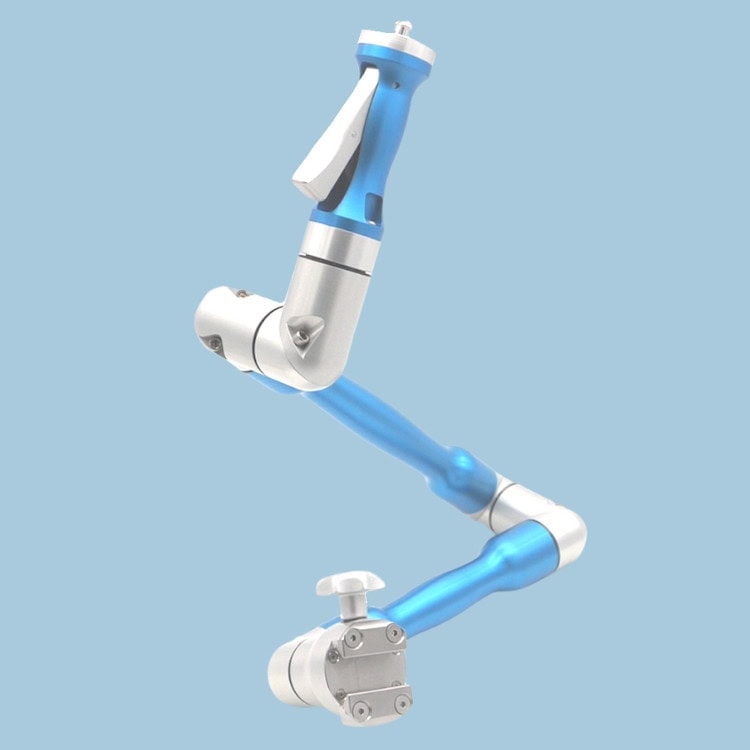
Surgical arm positioning systems play a critical role in patient safety, surgical access, workflow efficiency, and procedural consistency. Whether the case involves shoulder arthroscopy, upper extremity surgery, spine surgery, or general procedures requiring stable arm support, the right system can help reduce unnecessary repositioning and improve access to the operative field. Surgeons should evaluate these systems not only by how well they hold the arm, but also by how easily they integrate into the operating room. Patient anatomy, procedure type, table compatibility, imaging needs, and staff familiarity all influence the best choice. A thoughtful comparison helps teams select equipment that supports both surgical precision and patient protection.
Why Arm Positioning Matters in the OR
Arm positioning is more than a setup detail because improper alignment can increase the risk of nerve strain, pressure injury, and restricted access. AORN guidance emphasizes that arms should generally not be abducted more than 90 degrees and should be maintained in neutral alignment when possible. This matters because the brachial plexus can be vulnerable when the arms are overextended or rotated in unsafe positions. Surgical teams must also consider elbow, wrist, shoulder, and hand alignment throughout the case, especially during long procedures. Good positioning systems help maintain consistency after draping, table movement, traction, and changes in surgical approach.
Common Types of Surgical Arm Positioning Systems
Most surgical arm positioning systems fall into several broad categories, each designed for different procedures and workflows. Standard armboards are commonly used in general surgery and offer straightforward support for supine positioning. Advanced arm supports may offer more adjustability for prone, lateral, spine, or specialty procedures. Limb positioners are often used in shoulder, elbow, wrist, and arthroscopic cases where controlled range of motion or traction is needed. Shoulder-specific systems may support beach chair, lateral decubitus, or fracture procedures, depending on the design. Manufacturers commonly highlight features such as radiolucency, sterile-field adjustability, quick mounting, secure locking, and compatibility with OR table rails.
Key Factors Surgeons Should Compare
The best system is the one that fits the procedure, patient, team, and room setup. Surgeons should begin by identifying whether the system is intended for passive support, active intraoperative repositioning, traction, or specialty access. A simple armboard may be appropriate for many general cases, while a multi-procedure limb positioner may be better for shoulder or upper extremity surgery. Teams should also evaluate whether adjustments can be made from inside the sterile field, since that can reduce dependence on an assistant or circulating nurse. Ease of setup matters in high-volume ORs because complicated equipment can slow turnover and increase variability. Compatibility with existing tables, clamps, pads, imaging systems, and drapes should be confirmed before purchase.
Useful comparison criteria include:
- Range of motion and positioning flexibility
- Locking strength and stability
- Patient size and weight accommodation
- Radiolucency for imaging-dependent procedures
- Sterile-field adjustability
- Setup and teardown time
- Cleaning and reprocessing requirements
- Table rail and clamp compatibility
- Staff training requirements
- Availability of replacement pads, straps, and accessories
Mechanical, Pneumatic, and Powered Systems
Different positioning systems use different adjustment mechanisms, and each approach has practical tradeoffs. Fully mechanical systems may appeal to teams that want fewer cords, hoses, batteries, foot pedals, or gas components near the surgical table. Pneumatic or powered systems may provide smooth adjustment, but they may also require additional maintenance, storage planning, or staff familiarity. Locking performance is especially important because the arm must remain stable through traction, rotation, irrigation, and instrument movement. A system that feels intuitive during a demo may still need evaluation under real OR conditions with gloves, drapes, fluids, and time pressure. Surgeons should ask vendors to demonstrate how the system behaves during both fine positioning and load-bearing use.
Procedure-Specific Considerations
Shoulder surgery often requires more advanced positioning than routine arm support because access, distraction, rotation, and stability are central to the procedure. Shoulder systems may be designed for beach chair positioning, lateral decubitus positioning, total shoulder arthroplasty, fracture work, or arthroscopy. Some limb positioners allow the surgeon to control range of motion and traction from the sterile field, which can improve independence during the case. Lateral shoulder systems may use traction towers, sleeves, or multi-point support to improve glenohumeral access. Spine and prone procedures may require low-profile arm supports that protect the shoulder, elbow, and wrist while avoiding interference with the surgical field. The same system may not be ideal across every specialty, so purchasing decisions should reflect actual case mix rather than a generic feature list.
Patient Safety and Ergonomics
Patient safety should remain the first comparison point for any arm positioning system. The system should help maintain neutral alignment, minimize pressure points, avoid excessive abduction, and reduce the need for manual holding. Padding quality, strap placement, hand support, and the ability to accommodate patient anatomy all matter during long procedures. Systems should also reduce awkward reaches for surgeons and staff, since poor ergonomics can affect both efficiency and fatigue. A positioning device that improves surgical access but creates pressure or alignment concerns is not a good tradeoff. The ideal solution balances exposure, stability, comfort, and repeatability.
Workflow and OR Efficiency
A surgical arm positioning system should support the team’s workflow rather than complicate it. Quick-mount designs, universal clamps, intuitive controls, and predictable setup steps can help reduce delays. Systems that eliminate the need for a staff member to hold the limb may free personnel for other important tasks. However, even advanced systems can slow the room if staff are not trained or if components are difficult to find. Standardized preference cards, setup photos, and case-specific checklists can improve consistency. Surgeons should involve nurses, surgical technologists, anesthesia teams, and sterile processing staff before finalizing a selection.
FAQ: Surgical Arm Positioning Systems
What are surgical arm positioning systems used for?
They are used to support, stabilize, align, or reposition a patient’s arm during surgery. Their purpose is to improve surgical access while helping protect the patient from avoidable strain, pressure, or nerve injury.
Are armboards still useful?
Yes. Armboards remain useful for many general procedures and straightforward supine cases. More advanced systems may be needed when greater adjustability, traction, or specialty positioning is required.
What features matter most for shoulder surgery?
Shoulder procedures often require controlled rotation, traction, stable locking, and access in beach chair or lateral decubitus positions. Sterile-field adjustability can also be valuable.
Can one system work for every procedure?
Some systems are multi-procedure, but no single device is ideal for every case. The best choice depends on specialty, patient size, table setup, imaging needs, and surgeon preference.
Who should be involved in choosing a system?
Surgeons, OR nurses, surgical technologists, anesthesia providers, materials managers, and sterile processing staff should all provide input. Each group sees different workflow and safety considerations.
Questions to Ask Before Purchasing
Before selecting surgical arm positioning systems, surgeons and hospital leaders should ask practical questions that go beyond the brochure. Does the system support the procedures performed most often at the facility? Can it be adjusted safely after draping, and can the surgeon control it from the sterile field when needed? Is the device compatible with current OR tables, rails, pads, imaging equipment, and storage space? How much staff training is required, and how easily can new team members learn the setup? What are the cleaning requirements, accessory costs, warranty terms, and expected service needs?
Strong purchasing decisions usually come from real-world evaluation rather than specification sheets alone. A trial should include the surgeons who will use the device, the nurses who will set it up, and the staff who will clean and store it. Teams should test the system across representative cases, not just ideal scenarios. They should also evaluate whether the device maintains stability during repositioning, traction, and longer procedures. The right system should feel safe, repeatable, and efficient under routine operating conditions. By comparing clinical performance, ergonomics, workflow, and patient safety together, surgeons can choose equipment that supports better positioning from the first incision to final closure.