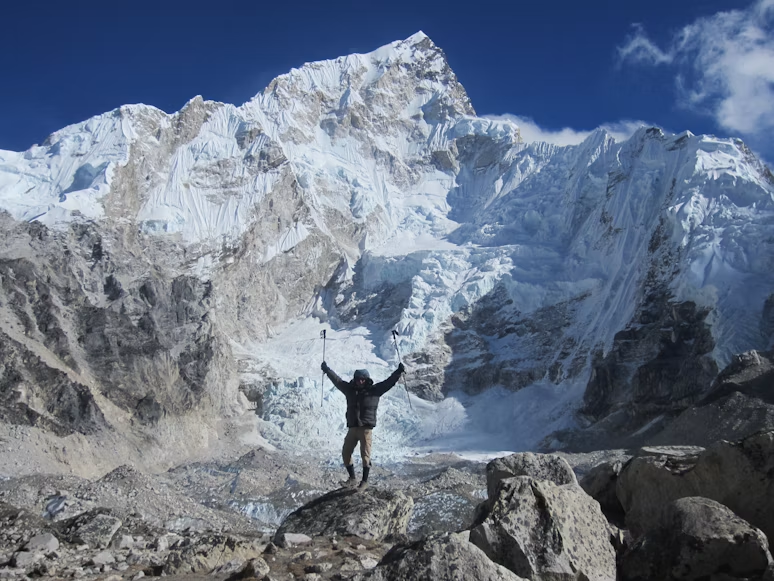
Nepal receives a heavy flow of tourists every year. Some of them are beginners who opt for moderate treks that reach the elevation of 3,500 meters to 4,000 meters. On the other hand, the experienced trekkers generally go on a high-altitude endeavor, like the Everest Three High Pass Trek. Even as seasoned trekkers, they may underestimate the risks and make a few mistakes that can make the trek even more challenging than it already is. Even with prior experience, it is important that one follow safety precautions.
That said, one of the most common mistakes trekkers make is underestimating the elevation. At a higher altitude, the oxygen level is very low, and the atmosphere is thin as well. This can cause breathing difficulty, especially after trekking for hours continuously. Rapid elevation gain can also trigger altitude sickness. There are several other mistakes that trekkers make unknowingly, which we will discuss in this article.
Common Mistakes Trekkers Make At High Altitude
- Not taking enough acclimatization days
- Rapid elevation gain
- Food and Hydration
- Lack of proper gear
- Overpacking
- Not obtaining travel insurance
- Trekking without a guide or a porter
Not taking enough acclimatization days
It is a golden and the most basic rule for high-altitude treks in the Himalayas. Similarly, taking rest days before or after any major elevation gain can singlehandedly reduce the risk of altitude sickness significantly. The recommended safe elevation gain above 3,000 meters is 300 to 500 meters only. That said, total gain per day can be up to 600 to 1,000 meters per day. After this mark, trekkers should take a rest day to allow their bodies to adapt to lower oxygen levels.
Likewise, take frequent breaks on the trail and do not push yourselves when you feel tired. Above 2,500 meters, trekkers may experience the initial signs of Acute Mountain Sickness, like headache, nausea, and vomiting. Similarly, as they cross the 4,000 meters, the risk gets significantly higher. Trekkers may feel extreme fatigue and breathlessness. Even the smallest movements, like walking can be challenging above this altitude. Therefore, trekkers should maintain a steady pace and avoid rapid elevation gain.
If trekkers experience any of these symptoms, they should pause trekking ahead immediately and descend to the lower regions. The actual threat begins as one moves above 4,500 meters. At such high elevations, trekkers are at risk of High Altitude Pulmonary Edema (HAPE) or High Altitude Cerebral Edema (HACE). Even though they are rare trekkers should be cautious and follow safety precautions.
Food and hydration
Most trekkers underestimate the value of a proper diet during a high-altitude trek. That said, it is important to consume carbohydrate and protein-enriched meals on the journey. This is because our bodies use energy to keep them warm in the higher regions. As a result, we may not be able to walk for multiple hours without feeling extremely tired. Similarly, avoid greasy and raw dishes because they can cause indigestion and other stomach problems.
It is better to stick to simple, warm, and well-cooked meals that are available in teahouses. For a quick energy boost when you’re trekking it is beneficial to carry snacks. Thus, one may take nuts, dried fruits, dark chocolates, etc. There are no proper refrigeration or storage facilities in the Himalayan regions, so it is better to avoid non-vegetarian meals as well. They may be contaminated by insects or spoiled.
Similarly, fluid loss is much faster in a cold environment compared to normal conditions. Dehydration does not necessarily cause AMS, but it can amplify the signs. Additionally, it masks the initial symptoms, like dizziness and headache delaying timely assistance. Therefore, trekkers should stay hydrated and avoid making these common mistakes when trekking to the Himalayas.
Most of the teahouses provide boiled or filtered water at a small fee ($1to $8); the price typically increases with altitude. Similarly, trekkers can also find bottled water, but it gets very expensive in the higher regions and may also lead to waste management problems in the long run. The best option is to carry a biodegradable water bottle and refill it from taps or streams on the way. However, they may be contaminated or have bacteria, so make sure to purify them with purifying tablets before drinking.
Not Obtaining Travel Insurance
This is one of the most common mistakes trekkers make during high-altitude treks. They may feel that there are no high risks of accidents, or they may not require one. However, the truth is these journeys can turn dangerous quickly. Harsh weather and varying terrain can cause accidents or injuries at any time. Similarly, one may suffer from altitude sickness at any time. In the remote and higher regions, there are no proper medical infrastructures. Most trekkers can find only local clinics or health posts that are unable to handle major injuries. They can only provide basic first aid and generic medicines.
During such conditions, emergency helicopter evacuations are the only way. Moreover, without proper travel insurance, it costs at least a few thousand dollars. So, it is beneficial to obtain a policy that covers rescue operations and hospitalization. This allows the trekkers to enjoy the journey with minimal stress knowing they are covered for any unforeseen circumstances. That said, most policies may not include altitude above 5,000 meters so make sure to explicitly mention it.
Lastly, accidents are not the only hazard one needs to be prepared for when trekking in the Himalayas. There are chances of flight delays and cancellations due to bad weather. Similarly, you may lose your trekking luggage or gear. Thus, if you want to be even more secure, you may benefit from including these policies as well in your insurance. Also, make sure to do a background check on the insurance provider. This helps you make the right decision and avoid possible scams. Generally, your trekking agencies have a good and experienced one to recommend. It is better to consult with them for selecting the right insurer for you.