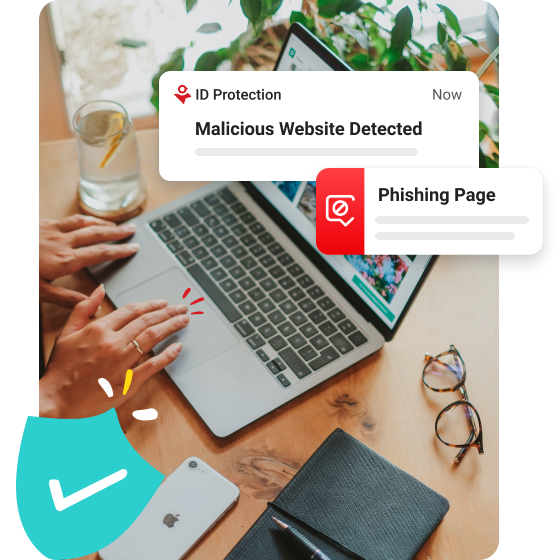
With such vast connectedness today, it is essential to ensure powerful home cyber security for all. As increasing numbers of people work from home, stream entertainment, shop online, and connect smart devices to the internet, the potential for cyber threats is on the rise. But many homeowners, unfortunately, end up unwittingly doing some things that wind up leaving their networks vulnerable to hackers, malware, and identity theft. Knowing a few of these familiar missteps is the beginning of building a safer online world.
Using Weak or Default Passwords
One of the most common (and simplest to address) mistakes is using weak, or default, passwords for Wi-Fi routers and smart devices. Hackers regularly use known manufacturer-installed credentials to enter home networks. A strong password should be a minimum of 12 characters, mixing upper and lowercase letters, numbers, and symbols. It is also wise — strike that; it is essential — to change assigned default passwords as part of setup and to never use easily guessed information, like birthdays or pet names.
Neglecting Router Security Settings
Your router is the access point to your entire home network. It is very dangerous if it does not keep its settings up to date. Most users never change the SSID (network name), or neglect to turn on security measures like WPA3 or, at the very least, WPA2. Guest networks are also encouraged, while remote management and features should be turned off to further minimize your “attack surface.”
Skipping Software Updates
Antiquated firmware and software create an open door to cyber threats. Manufacturers routinely issue updates to fix security vulnerabilities. Not installing these updates — for the operating system on computers and smartphones, for a router, for an antivirus program, or smart home devices like a thermostat or web camera, or even a printer — can leave gaping holes for digital reprobates to persist and exploit. Turn on automatic updates if you can, and add a schedule to manually check for firmware updates if necessary.
Not Using Antivirus and Firewall Protection
Lots of men and women assume their gadgets are safe enough even without more apps; that is a risky assumption. Antivirus software can help by intercepting and removing malicious files, while firewalls can block unauthorized access to your network. For an all-encompassing home cyber security set-up, both are necessary. Do not count on the included secure features alone and make sure you have a quality third-party for more protection.
Overlooking Device Management
Each networked gadget — from laptops and smartphones to smart TVs and thermostats — is a potential security hole. Not maintaining these devices opens a backdoor for cyber-criminals. Audit your devices and get rid of those that you no longer use. Periodically change passwords, and turn off features that malicious actors may abuse, such as UPnP (Universal Plug and Play).
Using Public Wi-Fi Without Protection
Connecting to your home network at a coffee shop or the airport opens all of your data up to whoever is looking. Public networks are insecure to eavesdropping by hackers. To keep yourself safe, don’t log into sensitive accounts on public Wi-Fi, and if you don’t want to be forced off a server that’s jampacked, find and subscribe to a virtual private network (VPN).
Lack of Network Segmentation
Most homeowners join all their gadgets to a network, but that may not be a good idea. Network segmentation is the practice of placing devices on different networks — like smart home devices on one network, and laptops on another. This mitigates the risk that an infection will spread to all the connected devices. Most modern routers can do it with their guest network settings, or their VLAN settings.
Ignoring Cyber Security Best Practices
Many people assume that cyberattacks only affect businesses or prominent individuals. This false security can cause lethargy. Fundamental habits such as spotting suspicious activity, informing family members about phishing scams, and keeping up with data backups are the porridge and butter of healthy home cyber security.
Final Thoughts
Cyber threats may be ever-changing, but so are the tools and methods for combating them. By steering clear of these common blunders, you can minimize the risk of becoming the next victim. Just as a reminder, the good cybersecurity practices at home begin with mindfulness and don’t end without proactive, sustained protection. Don’t leave it up to a hack — lock down your home network today.