
Commercial buildings require regular upkeep to remain highly valuable over consecutive years. Property managers look for physical updates that offer long-term durability and structural protection. Selecting the right modifications keeps an investment secure against market changes.
Smart choices protect the building exterior and improve interior corporate spaces. These physical updates keep properties functional and safe for everyone who enters. Planning these projects saves money on major emergency repairs later.
Selecting Structural Upkeep Solutions
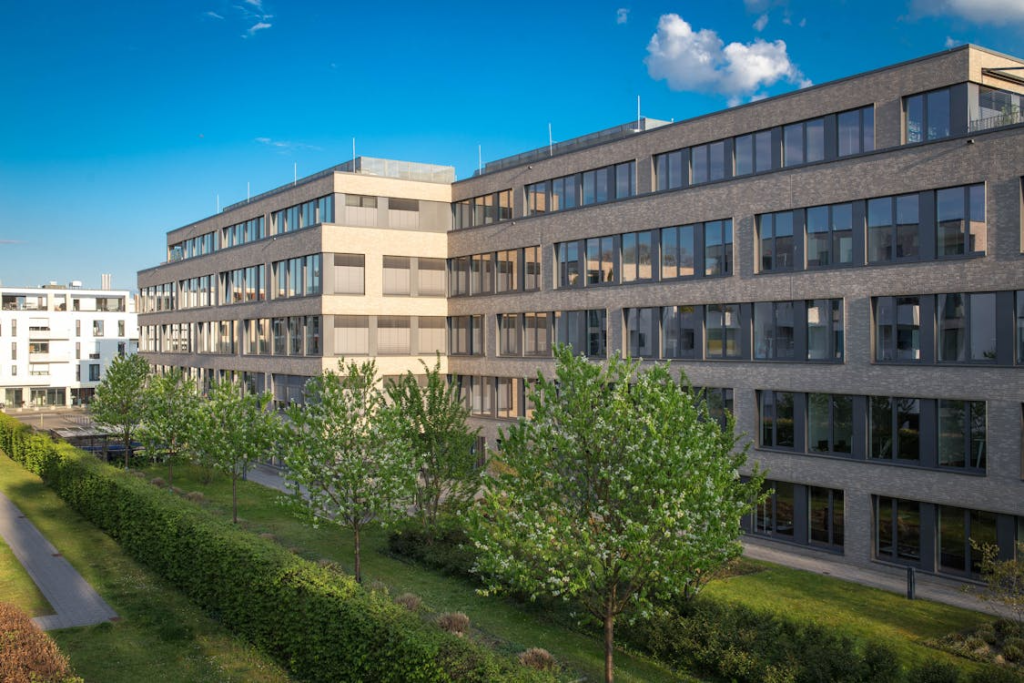
Maintaining a large commercial facility involves constant attention to structural elements. Roof inspections and foundation checks prevent minor issues from turning into major structural failures. Consistent maintenance schedules help property teams manage these tasks smoothly every season.
Modern maintenance extends beyond basic roof repairs to include complete exterior protection. Property managers often schedule a full-facility commercial painting project – a smart way to shield exterior walls from harsh weather elements. This proactive step helps maintain structural integrity for many years.
Exterior coatings act as a primary shield against moisture damage. Regular checks help detect tiny cracks before water seeps into concrete or interior drywall. Protecting these surfaces minimizes unexpected repair bills throughout the fiscal year.
Choosing Professional Color Schemes
Color choices affect how people view a commercial building from the street. Selecting a modern palette updates the property without requiring major structural renovations. Many owners select standard tones for long-term commercial appeal.
An industry publication explained that simple colors like grays, whites, and beiges offer versatility and timeless aesthetic value. These selections fit well with various architectural styles. They help corporate offices maintain a professional image for clients.
Neutral tones stay stylish for decades without looking outdated. Property teams avoid frequent repaints when they choose classic shades. This approach keeps maintenance costs predictable and manageable for the business.
Upgrading Storefronts And Interiors
First impressions matter for retail businesses and corporate headquarters alike. A clean facade draws clients inside and creates a positive working atmosphere. Keeping common areas fresh makes a significant difference in perceived value.
A professional painting guide reported that changing colors and finishes makes a storefront or interior more memorable to visitors. This differentiation helps corporate spaces stand out in crowded commercial neighborhoods. Customers prefer visiting properties that look clean and modern.
Interior finishes must withstand daily wear from heavy foot traffic. High-quality paints prevent scuffs and markings on busy hallways and entrance areas. Regular wall updates preserve a clean appearance throughout the busy season.
Modernizing Common Spaces For Tenants
Tenant retention depends on providing functional and comfortable environments. Modern companies seek spaces that support productive work styles and daily comfort. Property improvements should target shared areas where people gather frequently.
A real estate market report suggested that owners who focus on collaborative spaces, health features, and connectivity retain tenants more easily. Adapting layouts to meet modern expectations keeps buildings fully leased. Upgrades that support workplace wellness deliver steady financial returns.
Shared work areas require durable materials that are easy to sanitize. Upgraded lighting combined with fresh paint turns dark rooms into productive environments. Happy tenants remain in their office leases longer.
Understanding the impact of low bay and high bay lights will reveal how proper fixtures optimize visibility and energy efficiency across various industrial layouts.
Implementing Energy Efficient Technologies
Utility bills represent a large percentage of annual operational costs. Upgrading insulation and windows reduces heat transfer and lowers monthly energy bills. Property owners save more than $500 annually through regular efficiency projects.
Reflective roof coatings help regulate internal building temperatures effectively. These specialized materials reflect sunlight away from the structure during the hot summer months. Cooler roofs mean air conditioning systems work less to maintain comfort.
Several upgrades lower electricity consumption across the facility:
- Automated thermostats track daily occupancy schedules.
- Low-wattage light fixtures replace outdated interior bulbs.
- Automated sensors switch off power in vacant rooms.
Improving Parking Lots And Walkways
Exterior paving requires constant protection against severe weather damage. Heavy trucks and changing temperatures cause asphalt surfaces to crack eventually. Sealing these areas prevents water from undermining the asphalt base.
Clear pavement markings guide traffic safely through the parking lot. Fresh stripes designate fire lanes, loading zones, and accessible parking spaces clearly. Regular restriping prevents confusion and reduces accidents on the property.
Walkway repairs eliminate tripping hazards for visitors and employees. Fixing uneven concrete blocks maintains safety standards and limits corporate liability risks. Well-maintained paths create a welcoming approach to the main entrance.
Upgrading Building Security Systems
Modern properties require robust electronic security measures today. Installing high-definition cameras allows management to monitor entry points around the clock. Digital logs track everyone entering and leaving the facility securely.
Keyless access control systems replace traditional metal keys entirely. Security teams easily reprogram electronic badges when staff members change roles. This flexibility prevents unauthorized access to sensitive parts of the building.
Proper exterior illumination deters vandalism during late-night hours. Placing bright lights near dark corners improves safety for late-shift workers. Secure facilities experience fewer property losses and lower insurance costs.
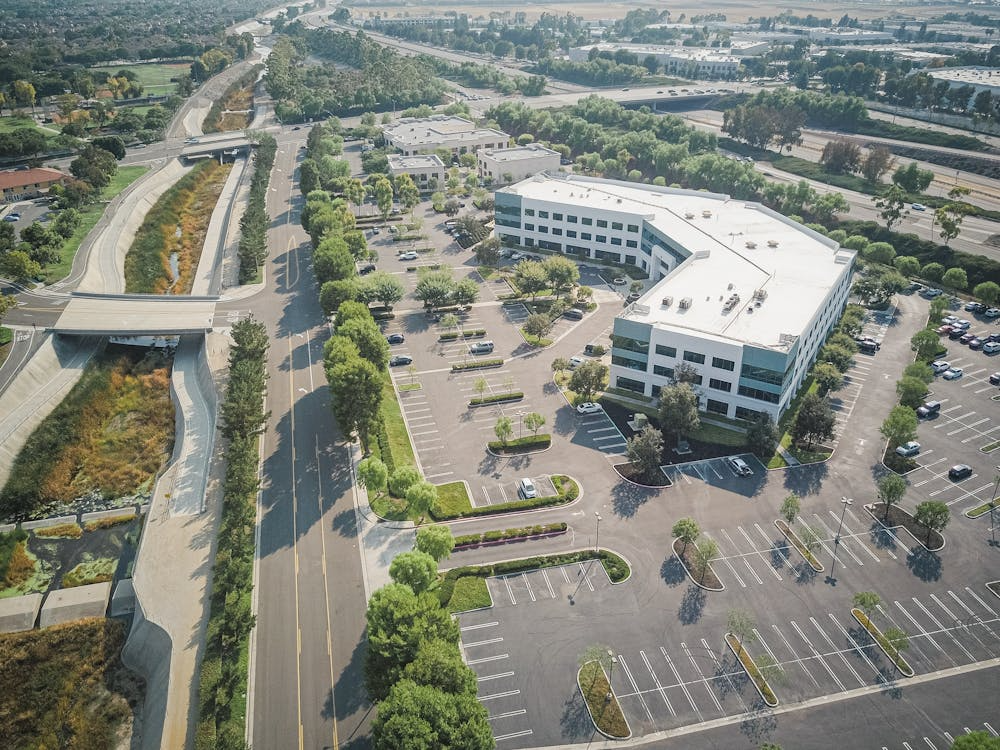
Investing in facility modifications preserves long-term commercial real estate values. Consistent maintenance projects prevent small issues from expanding into costly emergency operations. Property managers protect their financial returns by planning these improvements carefully.
Choosing quality materials helps these upgrades last for many seasons. Keeping buildings safe, functional, and modern satisfies corporate tenants and visitors. Regular property updates keep commercial investments highly profitable.