
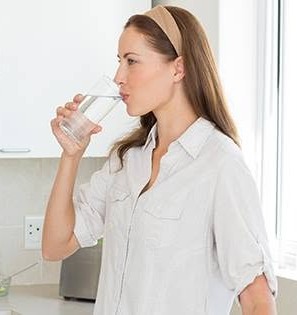
Having clean drinking water is an essential part of living a healthy lifestyle. We use water every single day for drinking, cooking, making coffee, washing fruit and much more. Even though the water supplied by a municipal water system will have been treated, tap water can still contain impurities that will affect how the water tastes, smells and looks. Many homeowners are looking at using filtration methods to ensure they receive clean water.
Water filtration has never been easier. Instead of relying on water from bottles or large filtration units you can now use small filtration systems. These can be plugged straight into your plumbing so you are able to have access to clean water without taking up any space in your kitchen.
For homeowners researching practical filtration options, https://woder.com/ provides a range of water filtration products designed around convenience, contaminant reduction, and mineral retention. Understanding how these systems work and what features matter most can help consumers make a more informed decision.
Why Water Quality Deserves More Attention
Water quality is not something homeowners should overlook. Even when tap water meets applicable municipal standards, its characteristics can vary depending on the source, treatment process, distribution infrastructure, and condition of household plumbing.
Some common concerns include chlorine, lead, certain heavy metals, PFAS, and other unwanted substances. Older plumbing systems, for example, may introduce additional contaminants into water as it travels through pipes and household fixtures.
Understanding Common Water Contaminants
Different contaminants can affect water in different ways. Chlorine is commonly used during municipal water treatment to control harmful microorganisms, but it can leave an unpleasant taste or smell. Lead may enter drinking water through certain plumbing materials, making it an important concern for older properties.
Another area of increasing interest is PFAS (Forever Chemicals) as some can remain in the environment. Other substances such as sediments and dissolved particles could also affect the clarity and quality of your water.
Understanding what might be in your domestic water supply will help you determine which filtration solution will be most suitable. Having a water quality report or getting professional lab testing can help you better understand what issues you may have.
How Modern Water Filtration Systems Work
Water filtration systems use different materials and technologies to reduce unwanted substances as water passes through them. Depending on the design, a filter may use activated carbon, specialized filtration media, membranes, or multiple treatment stages.
Each technology has its own advantages, limitations, and maintenance requirements. Therefore, choosing a filtration system should involve more than comparing product prices or appearance.
Advanced Selective Filtration Technology
One interesting approach in modern water treatment is selective filtration. Rather than removing everything from water, this technology is designed to target particular contaminants while allowing beneficial naturally occurring minerals to remain.
Woder employs its Advanced Selective Filtration technology within all of its products, which aims to remove unwanted contaminants including lead, chlorine, PFAS and chromium-6 but leave behind beneficial minerals including calcium and magnesium.
This can be an important factor for those looking for a filtered product that retains the natural minerals. This will depend on the system and contaminant tested, so be sure to check the product specification for the specifics.
Different Types of Water Filtration Systems for Modern Homes
Not every household has identical water requirements. Some people primarily want better-tasting drinking water, while others are concerned about particular contaminants or need filtration for household appliances.
Understanding the available system types makes it easier to identify an appropriate solution.
Under-Sink Water Filters
Under sink filters are popular due to their ability to allow you to have filtered water coming out of your kitchen tap. Additionally the filter unit is installed inside your kitchen cabinet keeping the countertop clear.
The direct connect models make it very easy as you can directly link them to the cold water supply under the sink. Many do not need any drilling and an extra drinking tap installed. This depends on the model you choose.
These would be ideal if you regularly drink, cook and make drinks using filtered water.
Inline Water Filters
Another option is inline filters. Inline filters attach to your compatible water lines.
These can be useful for filtering your water to your fridge, ice makers, some drinking water connections or even RVs. Quick fittings can make attaching an inline filter easier.
If you would like filtered water in your fridge but do not want to install an entire under the sink system, inline filters may be worth considering.
Multi-Stage Filtration Systems
Sometimes multiple filtration media will be needed. This can be done as multiple stages using different types of filtration for water.
An initial sedimentation stage can be used to reduce the amount of particles like dirt, sand etc. before entering a high performance filter cartridge. Specialist units can also be used with extra media to target specific issues like fluoride or heavy metals.
The best combination will depend on the water conditions and what claims have been proven from the product.
Important Features to Consider Before Buying a Water Filter
Choosing a water filter is an investment in everyday convenience and water quality. However, selecting the right model requires careful consideration of several factors.
Filtration Performance and Certification
You will need to look at what type of pollutants the filter is designed to reduce.
Finding an independent certification and labelling will give you more accurate information. An example of this would be the WQA Gold Seal Certification, the filtration media will have a verified performance. Be sure to look at exactly what certification your model has and what testing has been done.
Installation and Compatibility
The installation can affect your experience. A small direct connect filter can be handy if you want to avoid drilling or major plumbing.
To find out what size pipes, connections, space in your cabinet and manufacturer guidelines are, you should do some research before purchasing. If there are any unusual or damaged plumbing systems then it might be best to have a professional install.
Filter Lifespan and Replacement Costs
All filter systems require maintenance. The time between replacements will depend on the type of cartridge, water quality and usage within the home.
If the initial cost is low but the cartridges are more expensive or need replacing frequently then it could be an expensive option. To understand the value the system provides it is useful to check how available, expensive and how long you would expect the cartridges to last.
Maintaining Your Water Filtration System
Good maintenance will ensure your system filters reliably. Even with a good quality filter, using your filter cartridge past the recommended point will diminish its effectiveness.
Homeowners should follow the manufacturers maintenance schedule and be aware of any issues you have with your water flow. If you start to notice a significant change in your water pressure then it is a sign that you need to check/replace the cartridge.
Make sure you use a suitable replacement cartridge. Different filters may have different media and different connection requirements.
Checking your connections regularly can help increase reliability. Make sure you follow the fitting instructions.
Making a More Informed Choice for Your Household
There is no perfect water filtration systems to suit every home. You will need to consider your water supply type, pipework set up, usage pattern, budget and any particular contaminants you are worried about.
Some families will find a basic under-sink system suitable whilst others will require specialist water filtration or extra inline unit for their fridge. If you can test your water before purchasing you can avoid paying for unwanted features.
Also, try to ensure you are comparing water filtration systems based on their proven filtration capabilities. Understanding what they actually remove, what they leave in and how often they need maintaining will give you a far better idea of the real value of the product.
Final Thoughts
Being able to access easily accessible high-quality drinking water can help simplify your daily routine. Modern water filtration systems are now available that will save you having to continually buy bottled water, whilst also having a compact design.
Whether you are looking for an under-sink option, inline, or multi-stage system, there are various modern options to consider. Consider what issues you have with your water quality, the product specifications, and whether it will fit your plumbing setup and be easy to maintain long term.
By choosing to treat your water thoughtfully, you can feel more confident with your decision.