Discover why top casino games win player hearts. Explore emotional attachment, rewards, narrative progression, and community features that boost engagement.
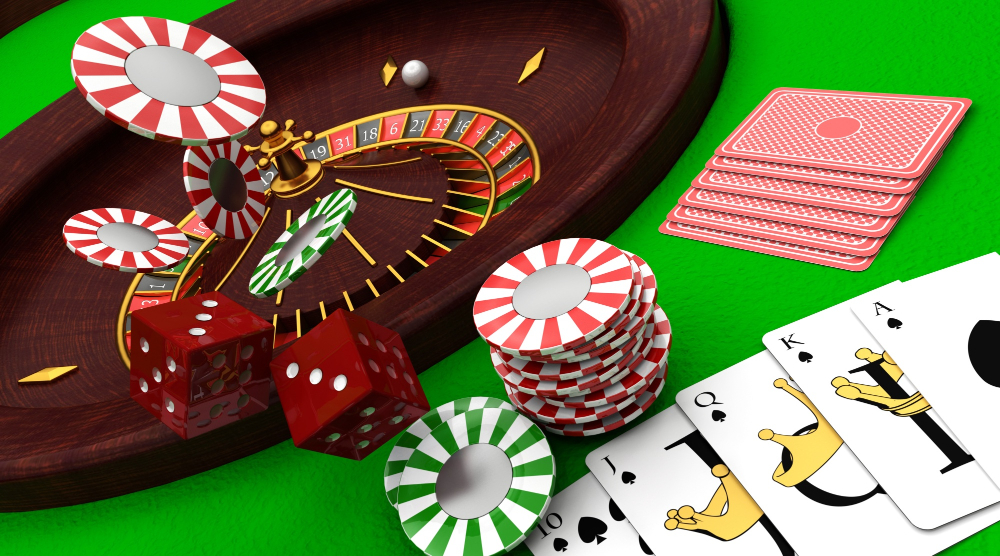
The top 15 favorite games on major casino platforms represent 45-55% of total activity despite representing only 10-15% of available titles, demonstrating that emotional attachment concentrates player engagement far beyond statistical probability. Games achieving favorite status generate $8-12 higher lifetime value per player compared to standard alternatives, revealing that player love translates directly into measurable financial performance.
Emotional Attachment Mechanisms in Favorite Games
Favorite games trigger consistent reward reinforcement cycles combining immediate sensory satisfaction with milestone recognition systems. Luck Casino and similar sites track that players spend 3-4x longer in favorite games versus average titles, indicating that emotional connection sustains engagement beyond initial gameplay curiosity. This extended engagement stems from psychological satisfaction elements embedded within game design rather than superior payout structures alone.
The main compromise of designing emotionally resonant games is increased complexity in game mechanics and feature systems. By incorporating achievement systems, narrative progression, and community elements for emotional depth, developers sacrifice simplicity that attracts casual players seeking straightforward spinning without investment in game progression.
Sensory Feedback and Celebration Moments
Winning moments in favorite games trigger elaborate visual and audio celebrations communicating success through multiple sensory channels simultaneously. Animations expand symbols, screens flash celebratory colors, sound effects escalate in intensity, and sometimes haptic feedback vibrates devices creating physical sensation of winning. This multisensory feedback creates emotional satisfaction beyond the financial outcome alone, making wins feel meaningful rather than mathematically neutral events.
Sensory design elements distinguishing favorite games include:
- Win animations lasting 2-5 seconds building anticipation before revealing final amounts
- Layered sound design with base tones, melodic elements, and celebratory crescendos
- Color palette transitions highlighting winning combinations against neutral backgrounds
- Particle effects and visual confetti reinforcing celebration psychology
- Haptic vibration patterns creating physical sensation of reward completion
Thematic Connection and Player Identification
Players develop stronger emotional attachment to games featuring themes reflecting their interests and lifestyle aspirations. A player interested in mythology experiences different emotional resonance from mythology-themed games compared to abstract geometric designs. Theme selection creates psychological investment where players feel the game understands their preferences and celebrates their identity through entertainment choices.
The main compromise of specialized thematic design is reduced appeal to players outside the target demographic. By creating deeply themed games for emotional resonance, developers narrow potential audience to players already interested in that specific theme, sacrificing universal accessibility of generic or minimalist game designs.
Narrative Progression and Investment
Games incorporating story elements and character progression create investment extending beyond individual winning moments. Players develop attachment to game characters, anticipate narrative developments, and feel emotional satisfaction from advancing story elements independent of monetary outcomes. This narrative investment transforms games from transaction-based activities into entertainment experiences comparable to serialized media.
The following shows how narrative elements correlate with player emotional attachment metrics:
| Game Narrative Element | Player Emotional Attachment Score | Monthly Retention Rate | Average Lifetime Value |
| Strong Character-Driven Story | 4.8-4.95 | 78-82% | $185-220 |
| Moderate Story Elements | 4.5-4.7 | 72-75% | $155-180 |
| Minimal Narrative | 4.2-4.4 | 65-68% | $125-150 |
| No Story Elements | 3.8-4.1 | 58-62% | $95-120 |
Achievement Systems and Milestone Recognition
Favorite games incorporate achievement systems providing recognition and milestone celebrations independent of financial outcomes. Players unlock achievements through specific accomplishments like reaching winning streaks, discovering bonus features, or accumulating lifetime statistics. These achievements create psychological rewards comparable to video game progression systems where completing objectives feels rewarding regardless of monetary returns.
Achievement system effectiveness depends on visible tracking and public recognition. Games displaying achievement progress bars, awarding badge notifications, and featuring leaderboard rankings create stronger emotional satisfaction than games tracking achievements invisibly without player notification.
Community and Social Validation
Games featuring leaderboards, social sharing buttons, and community discussions enable players to celebrate achievements with peers and receive recognition beyond individual satisfaction. When players share winning moments on social platforms or compete on leaderboards, they gain external validation reinforcing their emotional attachment to specific games. This social dimension transforms solitary play into community participation.
Social features driving emotional favoritism include:
- Real-time leaderboards showing top performers and ranking positions
- Achievement sharing to social media with pre-formatted celebration messages
- Community chat channels where players discuss strategy and celebrate milestones
- Tournament systems creating scheduled competitive events around favorite games
- Friend integration showing when peers are playing favorite games
- Win announcement feeds broadcasting significant victories across the player community
Nostalgia and Cultural Connection
Games recreating classic gaming experiences or referencing culturally significant entertainment properties trigger nostalgia while enabling players to connect with shared cultural memories. A game featuring retro arcade aesthetics appeals to players with childhood gaming nostalgia, while licensed entertainment properties attract fans wanting to engage with beloved franchises.
The main compromise of nostalgic or licensed design is licensing costs and limited creative freedom. By incorporating recognized intellectual property or retro aesthetics for emotional connection, developers pay licensing fees reducing profitability and accept creative constraints maintaining established IP identity rather than developing original mechanics.
Player Attachment and Long-Term Value
Games achieving favorite status maintain 85% monthly retention rates, meaning players return predictably to beloved titles regardless of external promotional incentives. This voluntary engagement creates sustainable player lifetime value where emotional attachment drives continued participation without constant acquisition campaigns.
Favorite games win player hearts through multisensory rewards, meaningful themes, narrative investment, and community connection combining to create emotional satisfaction transcending financial mechanics alone.