
A balanced look at vaping and smoking cessation, including evidence, health limits, practical support and safer next steps for adults who smoke.
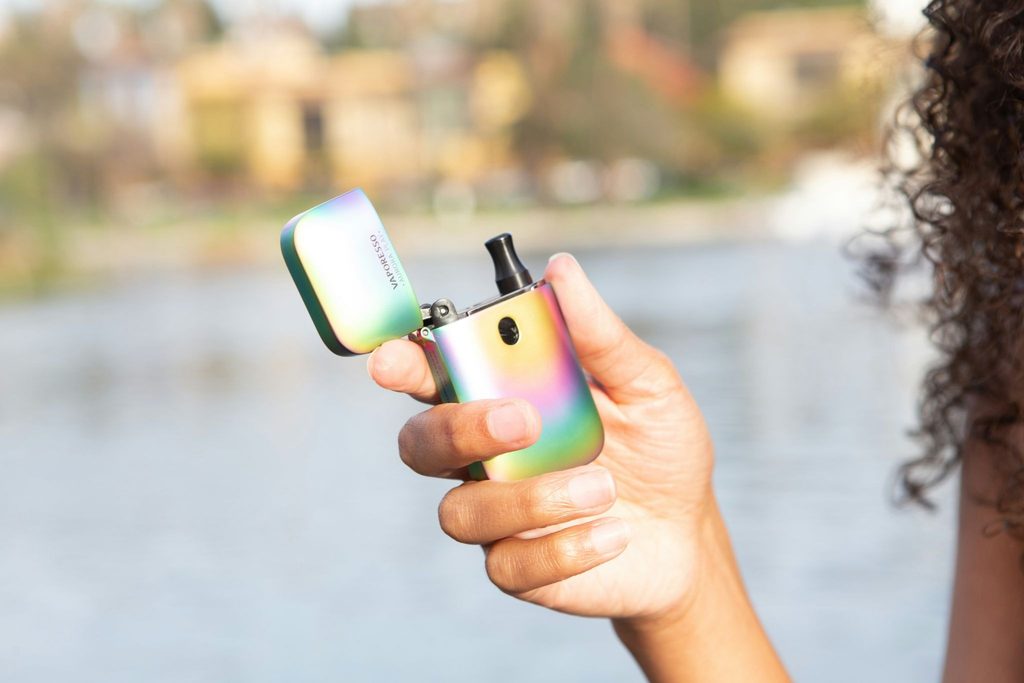
People researching Vape Pods may also be weighing up how to stop smoking. For adults who smoke, the priority is to stop smoking combustible tobacco and get support that fits their situation. Here are six facts to help separate evidence from assumptions and guide a conversation with a health professional.
1. The evidence suggests nicotine vapes can help some adults quit smoking
A Cochrane review of clinical trials found that nicotine e-cigarettes can increase quit rates compared with nicotine replacement therapy in the studies reviewed. That is an important finding, but it is not a promise that vaping will work for every person. The studies compare defined groups and follow people for specified periods. They do not establish that every retail device or liquid has the same effect. Read the review as evidence about a possible tool, not as a guarantee or an endorsement of every product.
2. Vaping is not risk-free
Vapour is not simply water, and many products contain nicotine, which is addictive. The long term health effects of vaping are still being studied. For someone who does not smoke, starting to vape has no cessation benefit and introduces avoidable exposure. Young people and people who are pregnant should not use nicotine products. If you have a health condition, use medicines or are unsure whether a product is appropriate, discuss the decision with a doctor, nurse or pharmacist rather than relying on advertising.
3. The goal is to stop smoking completely
Continuing to smoke while also vaping can keep a person exposed to cigarette smoke and maintain the routines that make quitting difficult. If an adult who smokes chooses vaping as a transition, the intended direction should be a complete switch away from cigarettes, followed by a plan to stop vaping when ready. Do not interpret this as a need to rush or as a substitute for support. A clinician or quit coach can help set a realistic timeline and adjust it if withdrawal, stress or a return to smoking becomes a concern.
4. Vaping is one option among several
Evidence based quitting support can include coaching, behavioural counselling, nicotine replacement products and prescription medicines where appropriate. Some people combine support methods. The right choice depends on smoking history, health, preferences, access and past attempts. Health New Zealand provides information about vaping initiatives and local support, while a health professional can discuss the options available for an individual. Comparing choices with a clinician is more useful than assuming that one method is best for everyone.
5. A quit plan makes the first weeks more manageable
Pick a quit date or a small first milestone. Notice when cravings tend to occur, such as with coffee, after meals, during a commute or when socialising. Decide what you can do instead: take a short walk, drink water, call someone or change the usual routine. Remove cigarettes and lighters from easy reach, and tell a trusted person how they can help. Cravings can feel intense but often pass. Planning for them turns a difficult moment into a choice you have already practised.
6. Setbacks are information, not proof of failure
Many people make several attempts before they stop smoking for good. If you smoke after a quit date, consider what happened just before it: stress, alcohol, access to cigarettes or a situation you had not planned for. Use that information to strengthen the next attempt rather than abandoning it. A support service can help review the plan without judgement. If you are using a nicotine product and experience concerning symptoms, stop and seek professional advice. Safety and individual health needs matter more than sticking to a product plan.
Check evidence rather than product promises
Another useful distinction is between evidence about a category of products and a claim about a specific device. Trial findings do not confirm that every product has the same ingredients, nicotine delivery or quality controls. Read labels, follow local rules and use products only as directed. If a product causes unexpected symptoms, stop using it and seek advice. It is also reasonable to ask a clinician whether non vaping options could meet your goals. An informed decision compares likely benefits, risks, availability and personal preference rather than relying on a single headline.
Before choosing any approach, write down questions for a health professional. Ask what support is available locally, which treatments may suit your health, what to do if cravings continue and how to manage nicotine dependence if you stop smoking. If vaping is considered, ask about using a product as directed, what signs would mean you should stop and how to plan for a later reduction. A good conversation should include both benefits and risks, not only a recommendation. You can also ask how follow up will work, so you are not left to manage a difficult change alone. This turns a broad question about vapes into a practical, personal decision.
If you have tried other approaches before, mention what helped and what felt difficult. That history can make the next plan more realistic.
The clearest answer is that nicotine vaping may help some adults quit smoking, but it is not a harmless shortcut and it is not for everyone. Strong evidence exists for several forms of quitting support, and personal guidance can help match the method to your needs. Focus on ending cigarette use, consider how to avoid ongoing dependence and ask a qualified professional about the risks and alternatives. Cochrane evidence on e-cigarettes and quitting and Health New Zealand vaping information offer evidence and New Zealand context for making an informed decision.