Money can feel like a puzzle, especially when life throws unexpected challenges your way. Whether you’re dealing with day-to-day expenses or more difficult situations like managing debt consolidation while unemployed, having a solid understanding of your finances is key to navigating those hurdles. Building financial literacy isn’t just about crunching numbers—it’s about empowering yourself with knowledge that helps you make smart decisions, reduce stress, and plan for a secure future.
Let’s explore how familiarizing yourself with basic financial concepts and using available resources can help you take control of your money and set yourself up for long-term success.
Know Where Your Money Goes: The Power of Budgeting
One of the first steps in gaining control over your finances is tracking your spending. Knowing exactly where your money goes each month is eye-opening and often reveals surprises. Maybe you’re spending more on dining out than you realized or subscriptions are quietly adding up.
Creating a budget might sound old school, but it’s the foundation of financial literacy. A budget doesn’t have to be complicated. Start by listing your income and then all your expenses—both fixed ones like rent and utilities, and variable ones like groceries and entertainment. Seeing this laid out helps you understand your cash flow and identify areas where you can save.
When you understand your spending patterns, you gain a sense of control. This is especially important if you’re facing tough financial times, like dealing with debt consolidation while unemployed. A clear budget helps you prioritize essentials and plan how to tackle your debts step by step.
Saving: Building Your Safety Net
Once you have a budget, the next piece of the puzzle is saving. Financial literacy means recognizing the importance of setting money aside regularly—even if it’s a small amount.
An emergency fund acts as your safety net when life surprises you with a car repair, medical bill, or temporary loss of income. It prevents you from relying on credit cards or loans in a crisis, which can lead to more debt.
Start by aiming to save a few hundred dollars, then build up to covering three to six months of living expenses. Automating your savings—setting up a direct transfer from your paycheck or checking account—can make this easier and more consistent.
Investing: Growing Your Money Over Time
Investing might feel intimidating, but it’s a key component of financial literacy and long-term success. It’s about putting your money to work so it can grow.
The basics of investing include understanding different types of assets like stocks, bonds, and mutual funds, as well as concepts like risk and diversification. The earlier you start, the more time your money has to grow through compound interest.
You don’t need to be an expert right away. Plenty of free resources—books, podcasts, and online courses—can guide you step-by-step. Learning the basics can boost your confidence and help you make informed choices.
Managing Debt Wisely
Debt can feel overwhelming, but financial literacy empowers you to manage it effectively. This means understanding interest rates, repayment terms, and how different types of debt affect your financial health.
If you find yourself struggling, options like debt consolidation while unemployed might provide relief by combining multiple debts into a single, more manageable payment. But even before seeking help, knowing how to prioritize debts and avoid new high-interest borrowing is crucial.
Learning about strategies like the debt snowball or avalanche methods can give you practical tools to pay down debt faster and more efficiently.
Leverage Free Resources to Educate Yourself
One of the best parts about building financial literacy today is the abundance of free tools and information. Websites, blogs, podcasts, and even YouTube channels cover every money topic imaginable.
Find resources that speak to you—whether it’s simple budgeting tips, deep dives into investing, or stories from people who overcame financial struggles. Consistent learning keeps your knowledge fresh and your motivation high.
Libraries and community centers often offer workshops or classes as well. Taking advantage of these can provide hands-on help and a sense of community.
The Emotional Side of Money
Financial literacy isn’t just numbers—it’s also about mindset. Money can bring up emotions like fear, shame, or anxiety. Understanding this connection helps you approach finances with compassion and patience.
Building knowledge and skills reduces uncertainty, which in turn lowers stress. You start seeing money as a tool to support your goals, not as something to fear or avoid.
Final Thoughts
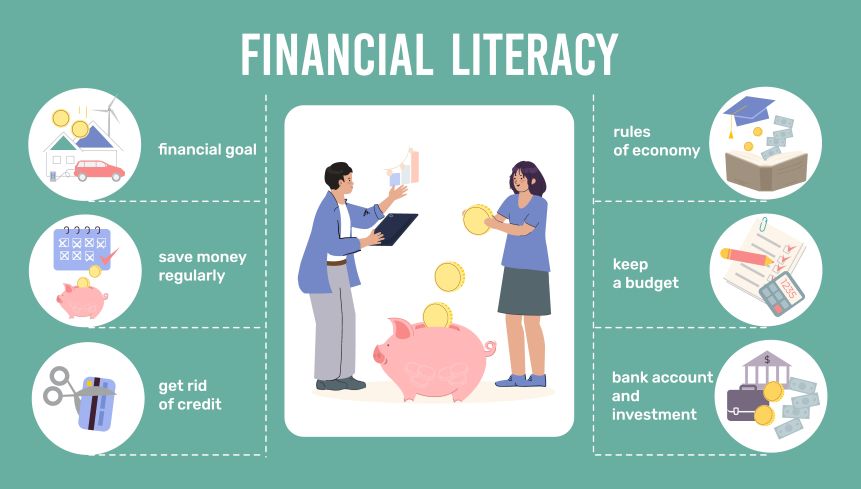
Building financial literacy is a journey, not a destination. It starts with simple steps—tracking your spending, saving regularly, learning the basics of investing, and managing debt wisely. Even if you’re facing tough times like debt consolidation while unemployed, gaining knowledge equips you to make the best choices possible.
Use the wealth of free resources available, be patient with yourself, and celebrate progress along the way. Over time, these habits build a strong foundation that supports long-term financial success and peace of mind.