
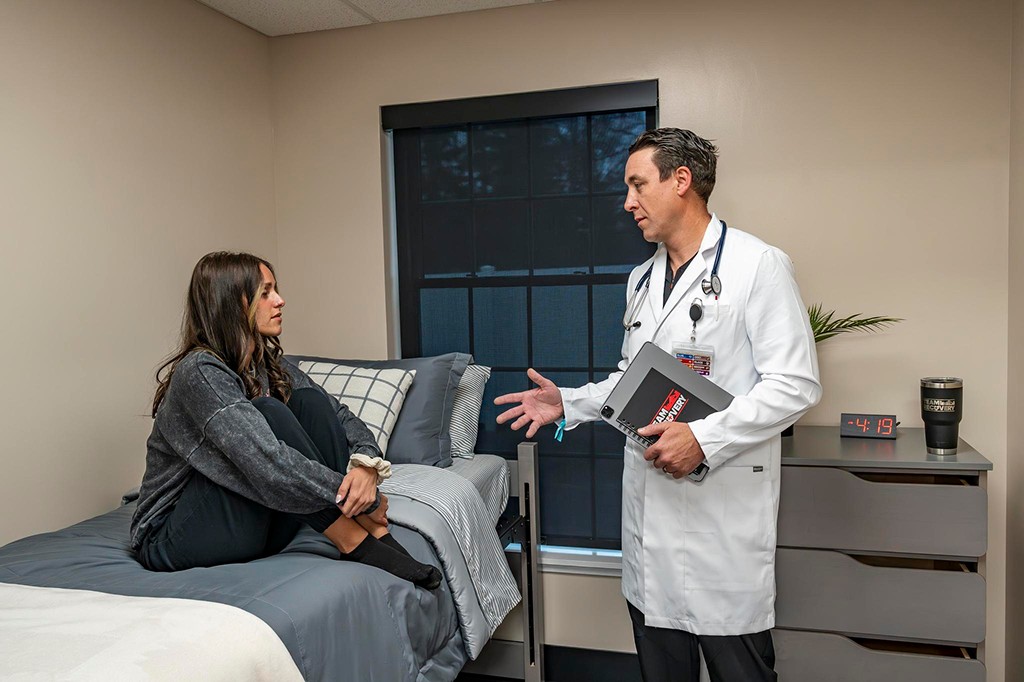
Detox is the first serious step many people take when they want to leave substance use behind. The body needs steady care as alcohol or drugs leave the system. A safe setting can make that stage feel more manageable. Medical support also helps reduce the strain that comes with early withdrawal.
A medically guided program, such as one offered by Team Recovery, can provide support from trained staff during this sensitive stage. Care teams watch symptoms, offer comfort, and create a plan that suits each person. This gives recovery a steadier beginning. It also helps the person feel less alone during the first stage of care.
Safer Care During Withdrawal
Withdrawal symptoms can change across the day. A person may feel sweating, nausea, shaking, body aches, or trouble sleeping. Medical staff check these symptoms and respond when care needs change. This steady watch helps reduce health risks during detox.
This type of support brings more stability to the detox process. Staff can track blood pressure, hydration, and overall comfort. That steady attention helps the person stay supported through each part of withdrawal. It also gives the care team clear details for the next step.
Comfort From Medical Support
- Medication Support: Approved medicines may help ease anxiety, nausea, sleep trouble, and cravings during detox.
- Health Checks: Staff can track pulse, blood pressure, hydration, and comfort throughout the day.
- Personal Care: Each care plan can reflect the person’s substance use history, health needs, and symptom pattern.
- Steady Relief: Medical support helps the body settle in a safer and calmer way.
Emotional Support When It Matters
Detox can stir up strong emotions. Fear, shame, sadness, and worry can appear as the body adjusts. Supportive staff help the person feel heard and less alone. This kind of care can make the process feel less overwhelming.
Counselors and recovery workers may offer short check-ins during the day. These moments give the person space to talk through stress. Calm guidance can help reduce panic and build trust in the process. Emotional support also helps the person stay connected to care.
Structure That Reduces Stress
- Daily Routine: Meals, rest, medical checks, and support sessions happen at set times.
- Calm Setting: A supervised space reduces outside pressure during early recovery.
- Clear Expectations: Staff explain what may happen each day, which can ease worry.
- Practical Support: The care team handles key details while the person rests and regains strength.
Plan The Next Step
Detox clears substances from the body, yet recovery needs more care after that stage. A strong program helps identify the right next step. That may include therapy, outpatient care, residential treatment, or peer support. Early planning helps the person leave detox with direction.
This planning can begin before detox ends. Staff can explain options in simple terms and help match care to real needs. A clear plan gives the person direction after discharge. It can also connect the person with the right level of support.
A medically supervised detox program can give recovery a safer and steadier start. A facility such as one given by Team Recovery can offer medical attention, emotional support, and practical planning during a vulnerable stage. The person receives care for the body while also gaining support for the mind. That kind of start can help someone move into the next stage with clarity and hope.