
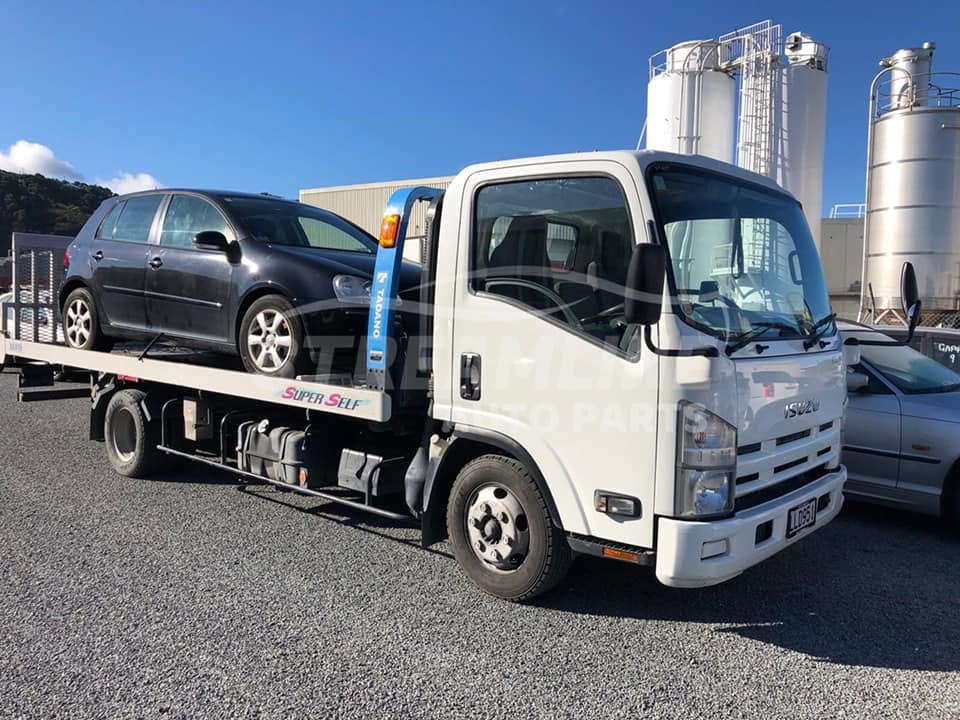
A dead car can take up valuable space while costing time to advertise, arrange viewings, and answer questions from buyers. Selling it privately might still suit a vehicle with usable parts or repair potential, but a damaged, unwanted, or undrivable car calls for a different approach. Here is how Wellington wreckers compare with other options and what to check before arranging a pickup.
When Wrecking Makes Sense
A vehicle with serious mechanical damage, failed roadworthiness, or extensive accident damage can be difficult to sell privately. Buyers often want to inspect it, negotiate, and organise transport, even when it cannot be driven. If repairs cost more than the car is worth to you, selling it for dismantling can be a more practical way to clear it.
Condition still matters. A car that runs and has a current inspection might attract a private buyer, while an old, damaged vehicle may have more value as a source of parts or recyclable materials. Think about the likely sale price after repair and advertising costs, not just the amount a buyer initially offers.
What a Wrecker Can Take Off Your Hands
A car wrecker may buy vehicles in a range of conditions, including unwanted, damaged, deregistered, and end-of-life cars. Some services also arrange towing, which matters when the vehicle cannot move under its own power. Ask whether your location is covered and whether collection is included before agreeing to a sale.
For a Wellington vehicle owner comparing local options, car wreckers in Wellington can be one route to a valuation and removal arrangement. The site describes buying vehicles in different makes, models, and conditions and lists pickup areas around Wellington, Lower Hutt, Upper Hutt, and nearby towns. Confirm the current terms directly, including the offer, collection plan, and any paperwork you must complete.
Compare the Whole Offer, Not Just the Price
A higher quoted amount does not automatically make a deal better if you must pay for towing or manage extra steps yourself. Ask each buyer for a clear explanation of what the offer covers and whether the amount depends on an inspection. Give accurate details about the car’s condition, location, and ability to roll or steer.
Before accepting, check these practical points:
- Whether collection is included and how the pickup will be arranged.
- Whether the quoted amount can change after the vehicle is inspected.
- What documents and ownership steps each party must handle.
- When and how payment will be made.
Keep the answers together so you can compare like with like. If a buyer gives a verbal quote, ask for the agreed amount and conditions in writing before the vehicle leaves your property.
Consider a Private Sale or Trade-In
A private sale can make sense if the car is driveable, has clear service information, and attracts interest from people seeking an affordable vehicle. It gives you control over the asking price, but you also manage enquiries, inspections, negotiations, and transfer arrangements. For a non-running car, explain its faults plainly and state how the buyer must collect it.
A trade-in is another option if you are replacing the vehicle. Ask how the trade-in value affects the purchase price of the replacement, then compare that figure with a separate sale. A wrecker is often simpler when the car has little use as a complete vehicle, and moving it would otherwise become your responsibility.
Prepare the Vehicle and Paperwork
Before collection, remove personal belongings from the cabin, boot, and storage compartments. Take out loose items you want to keep, and check for documents or devices that contain personal information. If you have spare keys or records, decide whether to hand them over and confirm that expectation with the buyer.
Ask which ownership and sale documents are required in your circumstances. Rules and procedures can depend on the vehicle and the transaction, so verify the current requirements rather than assuming the buyer will handle every step. Keep a record of the agreed price, collection details, and completed paperwork.
Spot a Poor Fit Before You Agree
Be cautious if a buyer will not explain how the quote was reached, changes the terms without a clear reason, or pressures you to accept immediately. A reliable process should make the vehicle’s condition, price, payment, and collection arrangements clear before pickup. Do not hand over the car until you understand what has been agreed.
Also check access to the vehicle. A narrow driveway, steep slope, or blocked parking area can affect loading, especially for a car that cannot roll. Describe these conditions in advance and agree on a collection plan so the driver arrives prepared.
Conclusion
For a dead or badly damaged vehicle, a wrecker can save the work of advertising, arranging buyer inspections, and solving transport. The smart choice still depends on the actual offer and the collection terms. Describe the car accurately, compare written details with any private-sale or trade-in option, and confirm payment and paperwork before pickup. That gives you a clear basis for deciding whether removal is worth it.