
In the modern food industry, manufacturers face increasing pressure to deliver consistent quality, scale production efficiently, and meet strict safety and sustainability standards. One of the ways companies achieve this is by investing in advanced production systems. Selo, a global engineering company, specializes in designing and delivering turnkey food processing lines that help producers optimize their operations from start to finish.
What Are Turnkey Production Lines?
A turnkey production line is a complete, ready-to-use system that handles every step of the manufacturing process. Instead of sourcing individual machines from multiple suppliers, companies receive a fully integrated solution from one partner. Selo’s approach ensures that all components, from raw material intake to final packaging, work seamlessly together.
This method reduces complexity and risk. Because Selo is responsible for the entire system, compatibility issues are minimized and implementation becomes more efficient. For food manufacturers, this means faster project timelines and a smoother transition to full-scale production.
Selo’s Expertise in Liquid and Viscous Food Processing
One of Selo’s core strengths lies in processing liquid and viscous food products. This includes sauces, soups, dressings, and other semi-liquid foods that require precise handling. These products often involve complex processes such as mixing, heating, cooling, and homogenization.
Selo designs systems that ensure consistent texture, flavor, and quality throughout production. By carefully controlling process parameters, manufacturers can achieve uniform results at scale. This is particularly important for brands that rely on consistent taste and appearance to maintain customer trust.
Integration of Advanced Technologies
Selo incorporates advanced technologies such as automation and process control into its production lines. Automation reduces manual intervention, which lowers the risk of human error and increases efficiency. Operators can monitor and adjust processes through centralized control systems, improving both productivity and traceability.
Additionally, Selo integrates data-driven solutions that allow manufacturers to analyze performance and optimize operations over time. These insights can lead to better resource management, reduced waste, and improved overall output.
Focus on Hygiene and Food Safety
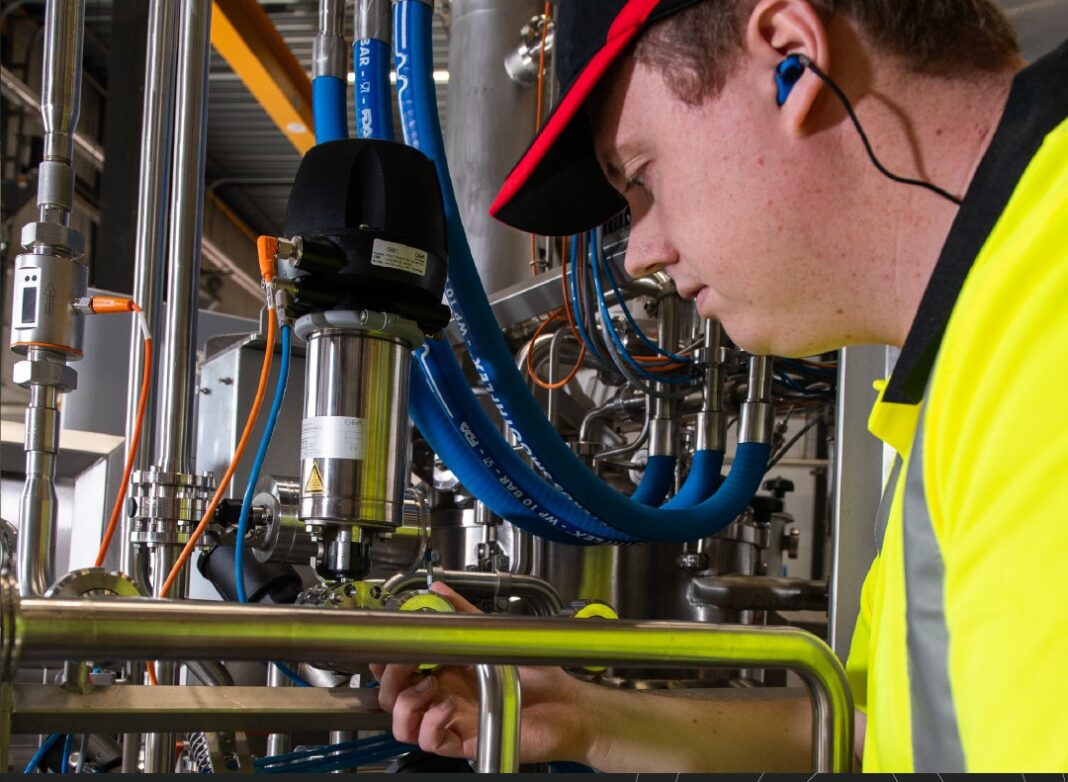
Food safety is a critical aspect of any production system. Selo designs its equipment with hygiene as a top priority. This includes features such as clean-in-place (CIP) systems, which allow equipment to be cleaned without disassembly. These systems help maintain high sanitation standards while reducing downtime.
The materials and construction methods used in Selo’s equipment also comply with strict food safety regulations. This ensures that manufacturers can meet international standards and maintain product integrity.
Customization for Different Markets
Every food manufacturer has unique requirements based on their products, scale, and target markets. Selo addresses this by offering customized solutions. Whether a company is producing small batches of specialty sauces or operating large-scale industrial lines, Selo adapts its systems accordingly.
This flexibility extends across various sectors, including human food and pet food production. By tailoring each project, Selo ensures that clients receive solutions that align with their specific operational goals.
Sustainability and Efficiency
Sustainability is becoming increasingly important in food production. Selo incorporates energy-efficient technologies and process optimization techniques to reduce environmental impact. Efficient heating and cooling systems, for example, help lower energy consumption while maintaining product quality.
By minimizing waste and optimizing resource use, Selo’s production lines not only support environmental goals but also help manufacturers reduce operational costs.
Conclusion
Selo’s turnkey production lines demonstrate how integrated engineering solutions can transform food manufacturing. By combining expertise in process design, automation, hygiene, and customization, the company provides systems that enhance efficiency and product quality. For manufacturers looking to scale operations and remain competitive, investing in such comprehensive solutions offers a clear strategic advantage.