
Visa or no visa, every non-EU short-stay visitor now registers with Europe’s Entry/Exit System
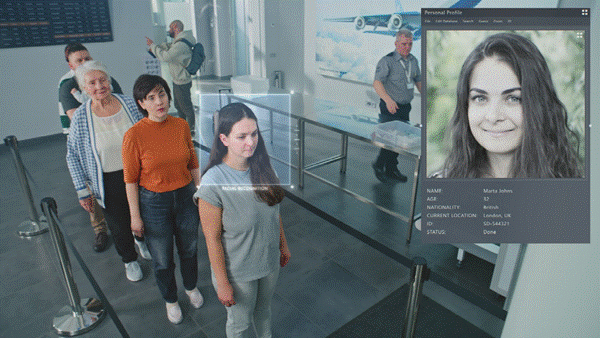
Travelers reach Europe with all kinds of paperwork. Some carry a Schengen visa, others travel visa-free, and many visa-free travelers will need ETIAS in the future. But one step is now the same for almost everyone from outside the EU: the Entry/Exit System, better known as EES.
EES began rolling out on 12 October 2025 and reached full operation at every external Schengen crossing on 10 April 2026. It applies to non-EU nationals on short stays. Nationals of EU countries, Iceland, Liechtenstein, Norway and Switzerland are not registered.
What happens at a first entry
On the first trip into the Schengen area under EES, border officers record passport details, a facial image and fingerprints. On later trips, the record is checked rather than created from scratch. The system replaces passport stamps and calculates the 90 days allowed within any 180-day period automatically, which means overstays are flagged by software rather than by an officer counting stamps.
The numbers show how quickly it has become routine. The European Commission reported more than 45 million entries and exits by the end of March and more than 150 million by 6 August 2026. Refusals of entry passed 43,000 by May, according to Commission figures.
How to keep the border from derailing the trip
The grace period that let member states scale back checks during busy periods officially ended on 6 September, although several countries have reportedly been given extra time. Queues remain the main practical issue, with the airport and airline associations ACI EUROPE and A4E citing five-hour waits at the summer peak. Three habits help. Leave a longer connection at the first Schengen airport. Use the official Travel to Europe app to pre-register up to 72 hours ahead where it is available. And keep track of days spent in Europe on repeat trips.
Those habits start at the booking stage. Airpaz, an online travel booking platform serving travelers in 38 languages and 57 currencies, helps travelers compare flight options across 450+ airlines. Fares that allow rescheduling or refunds give extra room when plans change. Airpaz does not issue visas and encourages travelers to check entry requirements through official government channels.
“Travelers arrive at Europe’s border with different documents, a visa for some and soon ETIAS for others, but they all meet EES on arrival,” said Wendy Anwar, Chief Marketing Officer of Airpaz. “Knowing which rules apply to your passport, and keeping your plans flexible, makes that first entry far smoother.”
Whatever passport they carry, travelers heading to Europe now share one new step, and a little extra time is the best way to prepare for it.
About Airpaz — Airpaz is an online travel booking platform based in Asia Pacific, offering flights and hotels around the world. Alongside flights across 600,000+ routes and 450+ airlines and 1.2 million+ properties, it covers activities, ferries, buses, and trains — supported by 100+ payment methods, checkout in 57 currencies and 38 languages, flexible booking add-ons, and 24/7 live-chat assistance. Airpaz helps travelers plan, book, and pay for entire trips in one place. Learn more at airpaz.com.