
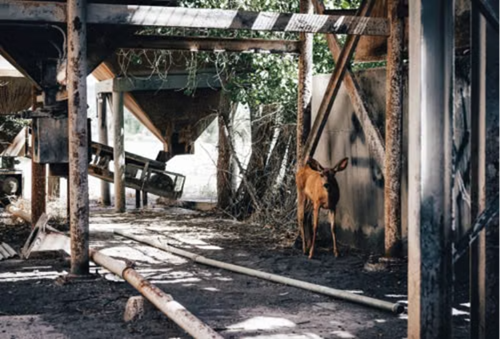
A scratching sound above the ceiling can interrupt a quiet evening. You may notice droppings, damaged insulation, or movement near the roof. The issue may recur even after an animal has been removed in case the point of entry is left open. Vents, pipes, foundations, and rooflines have easy access due to gaps. Each intrusion can mean cleanup, unpleasant odors, and costly repairs.
Culling the animal solves the present issue, but fails to stop another visit or the anxiety it causes via that hole.
A lasting solution starts with the structure itself. Identifying and capping openings that animals can exploit will help prevent entry and habitation by wildlife in your home.
This guide shows how specific gap sealing can reduce recurrent intrusions and guard the areas where you reside.
1. Eliminate Repeat Entry Points
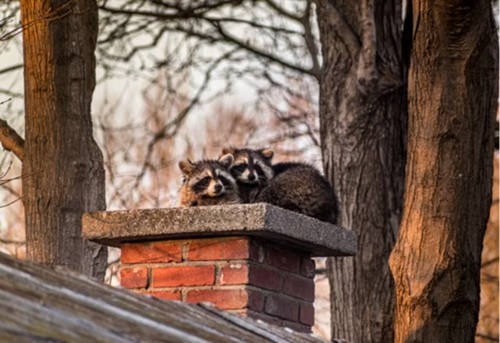

When wildlife finds a way into your home, it may return through the same opening because the route is familiar and convenient. A loose soffit, roof-edge gap, or space around a pipe can provide easy access. Droppings, rub marks, and disturbed insulation may also indicate repeated activity. Identifying these openings is the first step toward preventing another intrusion.
Once you locate the access points, seal them with materials suited to the opening and the type of wildlife involved. Metal mesh, hardware cloth, fitted flashing, and durable sealants can help close vulnerable areas. However, make sure the animal has been safely removed before sealing the gap. Otherwise, it may become trapped inside and cause further damage while trying to escape.
Sometimes, removing wildlife and identifying every entry point can be difficult without professional assistance. Thus, if you are struggling to manage a recurring intrusion, consider contacting a local wildlife removal specialist who understands the common wildlife problems in your area. For instance, if you live in Charles Town, you can seek professional help through wildlife removal near Charles Town to address the intrusion and identify suitable exclusion measures.
2. Prevent Wildlife from Reusing Hidden Access Routes
Not every access point is obvious from inside your home. Wildlife can travel behind siding, along roof edges, through crawl spaces, or around places where cables and pipes enter the building. It may be necessary to repair the first opening only and leave a second one open.
Inspect the exterior carefully, especially where building materials meet. Inspect roof joints, vents, pipe openings, loose panels, and screens. These weak points can be sealed to block the route, rather than blocking one obvious entrance. Search for new scratches, defaced screens, or multiple tracks around common access points. These clues may indicate if an animal is testing a barrier or moving to another area of the building. Connecting openings enhances the repair.
However, do not close openings that serve an essential purpose. Vents, such as those found in windows, allow air to pass through and should not be closed. Use tight, secure, and wildlife-proof covers.
3. Block Nesting and Shelter Areas Within Building Structures
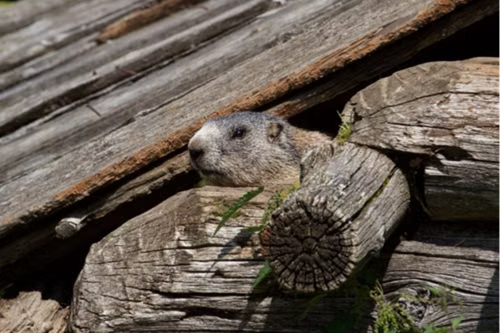

Your home can offer wildlife more than a way inside. Attics, wall voids, crawl spaces, and spaces under decks offer warmth, weather protection, and nesting areas. Settled animals may damage insulation, wiring, and indoor surfaces. Preventing closure of structural gaps ensures access to these sheltered areas and makes them more inviting. Be sure to check openings that allow access from exterior to enclosed spaces, such as spaces under eaves and around attic vents. The defect could be just big enough for the animal to enter and hide somewhere safe.
Timing matters, though. Never seal an opening until you are sure animals are no longer inside, and dependent young have not been left behind. Otherwise, wildlife may become trapped and cause further damage while trying to escape. An inspection will be able to identify any signs of nesting and, if needed, indicate whether exclusion stages are required.
After the area is clear, repair damaged materials, close access gaps, and remove nesting debris safely. Secure garbage, pet food, and fallen fruit.
4. Create Stronger Barriers to Keep Wildlife Out Permanently
A repair must be able to resist weather, building movement, and animal attacks, including chewing and pulling. Indicatively, lightweight foam does not work well with animals which can chew it. Sturdier fences that surround areas of sensitivity may be enhanced with mesh, metal flashing, and tight fittings.
Even durable repairs need attention. In general, inspect rooflines, vents, foundation joints, screens, and prior repair areas after severe weather events, and as part of routine inspections. Keep the prune branches to the roof, seal garbage containers and do not leave pet food outside overnight.
Exclusion is not a single-shot solution; it is ongoing home maintenance. These measures, combined with proper sealing, will assist in keeping your home defenses dependable.
Bringing it Together
By closing structural openings, you help minimize recurrent intrusions of wildlife by not only targeting the paths by which they gain access to a building and nest, but also by establishing a habitat within the building. Rather than relying only on removal after each incident, you make the property harder to access. This can restrict damage and deter animals from coming back.
To ensure a dependable outcome, locate probable points of entry, ensure the structure is vacant, and select tough materials that can be applied in each repair. Then be sure to have weak areas under your care. A cautious practice can protect your home and provide wildlife with less time to enter your home in all seasons of the year.