
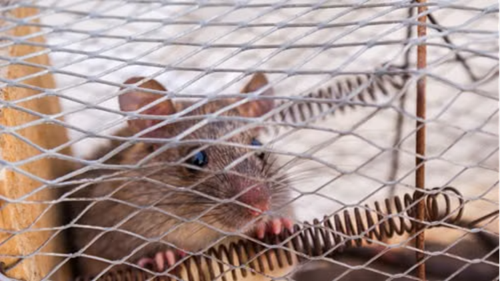

Pest infestations can turn a comfortable home into a stressful place. Ants can infest your kitchen, rodents can chew through wiring, and termites can destroy wood before you can notice the destruction.
Although store-bought sprays can remove visible pests, they often leave hidden nests, breeding areas, and entry points untouched. Pest control is not a one-liner.
Licensed technicians inspect your home, detect infestations, and address them at the source. This will assist in keeping your home safe against visible pests as well as hidden dangers.
Nonetheless, it is not enough to eliminate pests that already exist. You also need some kind of barrier that will not allow them to reoccur. Professional services will provide a pest-free condition through specific treatment, prevention, and regular check-ups.
Let’s explore how these methods work together to provide thorough and lasting protection for your home.
1. Identify Visible and Hidden Pest Problems
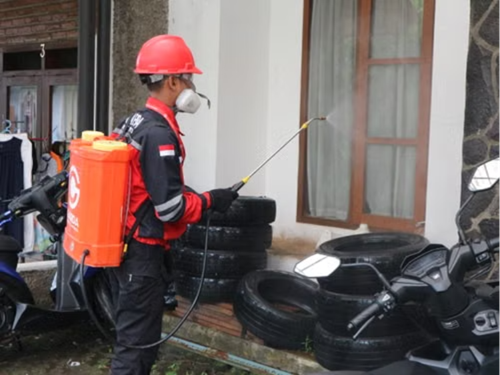

Before choosing a treatment, a technician needs to understand what is happening in your home. Ants near a food jar may be nesting outside or inside a wall. Droppings in a cupboard may point to rodent activity in a loft, basement, or kitchen. The technician looks for trails, nests, shed skins, damaged wood, and clues that reveal the pest and the scale of the problem.
The inspection also considers what attracts pests. Leaking pipes, damp corners, uncovered food, clutter, and gaps around utility lines can provide food, water, and shelter. This explains why a surface spray may not solve the issue. If you are comparing options for professional pest control for homeowners, choose a provider who explains the findings, identifies entry points, and outlines a plan for your property.
2. Targeted Treatments Eliminate Pests at Their Source
Once the technician identifies the pest, they can select a suitable treatment. Depending on the problem, this may involve baits, traps, gels, dusts, or carefully applied products. The aim is to apply the appropriate technique in which pests travel, feed, or nest instead of randomly treating the areas. This will eliminate unwarranted applications.
Placement and timing matter. Ant bait, for example, should sit along active routes so workers can carry it back to the colony. Rodent traps need to be placed where signs show regular movement. A skilled technician pays attention to the instructions on the product labels and takes into account children, pets, and routines at home. You are also to be given clear guidelines on the preparation, treated areas, and when those areas can be used again.
3. Expert Techniques Reach Hard-To-Treat Infestation Areas
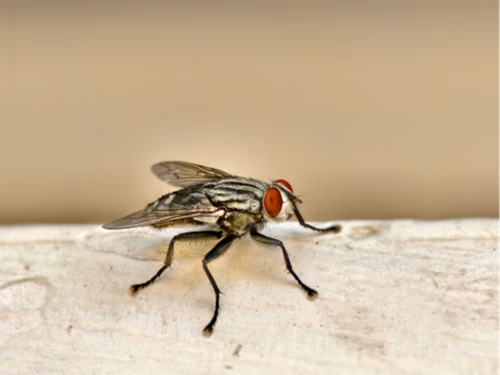
Photo from Pexels.com
Pests do not always stay where you can reach them. Bed bugs may be concealed in the seams of the mattress, bed frame, and furniture joints. Rodents can travel through wall openings, the attic, or the ceiling, whereas termites can infest wood internally. When an area is sprayed that can be seen, these hiding places might be left untouched, and activity can go on.
Professional technicians use suitable equipment to inspect difficult areas and choose an appropriate method. They can employ monitoring devices, bait stations, inspection lights, or specially adapted application tools depending on the pest. They are able to clarify when a region requires further scrutiny as opposed to urgent care. This method is useful in revealing concealed activity and minimizes the possibility of pests being left in cracks.
4. Preventive Treatments Block Common Pest Entry Points
Removing existing pests is important, but preventing new infestations is equally essential for long-term protection. A technician can indicate holes or cracks around doors, windows, vents, pipes, or utility lines. Sealing openings, repairing screens, and adding door sweeps can make entry harder for insects and rodents. Inquire about what work requires a pest professional and what might need a contractor.
Your routines also determine the friendliness of your home to pests. Store food in closed containers, sweep up crumbs, empty bins frequently, and do not leave pet food on the ground. Seal dripping taps and standing water, as most pests require water. On the outside, trim the bushes, clean up the yard, and store the firewood higher and farther off the house. These measures minimize pests’ access to food, water, and shelter.
5. Routine Monitoring Prevents Recurring Infestations Over Time
Even after treatment, watch for fresh signs. Certain pests require follow-up visits since eggs might hatch after some time or the activity might be present in inaccessible places. The technician can check traps or monitoring stations during a return visit and examine the new evidence and decide whether the plan should be adjusted. This will assist you in reacting before a small issue turns out to be a bigger problem.
Make monitoring more effective by noting where and when you spot pests. For example, ants near the pantry, droppings in the garage, or damage around a window can help the technician identify areas of continued activity and determine whether further treatment is needed. Follow the recommended service schedule, complete suggested repairs, and report new pest activity as soon as you notice it. Regular inspections and timely action help maintain long-term protection and reduce the risk of recurring infestations.
Bringing it Together
Lasting pest protection takes more than treating the pests you see. A detailed inspection reveals the source, targeted methods address the infestation, and professional tools help reach hidden areas. Prevention makes your house harder to break into, whereas follow-up visits aid in the detection of new signs at an early stage.
You can also support these efforts through simple daily habits. Keep food sealed, manage moisture, reduce clutter, and act when you notice fresh activity. With the combination of professional treatment and practical home care, you will be able to decrease the instances of repeat infestation and be more assured of the comfort of your home.