
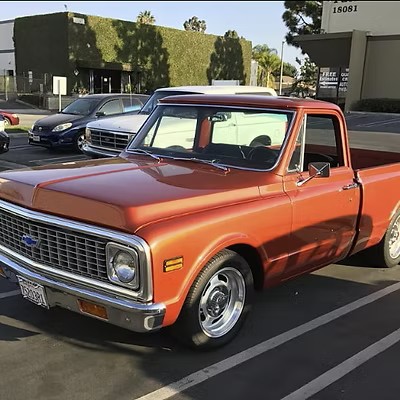
There is something about an old pickup truck that modern vehicles struggle to replicate. The broad hood, simple dashboard, distinctive body lines, and unmistakable engine note give it a personality that extends beyond its mechanical components. Enthusiasts exploring Chimera Motors’ classic Chevy C10 restorations can find inspiration for bringing these vintage trucks back to life while preserving their individual character. However, restoring a classic pickup involves more than repairing rust and applying fresh paint. It requires countless decisions about originality, performance, comfort, and the kind of driving experience the owner wants to enjoy.
Every Old Truck Has a Story Beneath the Paint
No two classic pickups arrive at a restoration shop with exactly the same history. One may have spent decades hauling equipment on a farm, while another might have served as a family vehicle before disappearing into a garage for twenty years.
Evidence of these former lives can be found throughout the truck. Worn pedals, dents in the bed, faded upholstery, and unusual repairs offer glimpses into how previous owners used and maintained it.
For some enthusiasts, these imperfections are part of the appeal. A completely flawless finish may look impressive, but it can also remove details that give a vehicle its individuality.
Before beginning a restoration, consider which aspects of the truck’s history deserve preservation. Original badges, distinctive interior features, or even selected areas of aged paint may contribute to a finished vehicle that feels authentic rather than manufactured.
Decide What Kind of Classic You Want to Own
Restoration projects can take remarkably different directions depending on the owner’s expectations. Some people want a truck that closely resembles its original factory configuration, while others prefer modern performance wrapped in vintage styling.
Neither approach is inherently better. The decision depends on what the owner values most.
A factory-style restoration may prioritize period-correct components, original interior details, and traditional mechanical systems. A restomod, by contrast, can retain the truck’s classic appearance while incorporating updated technology and performance upgrades.
Before choosing a direction, consider a few questions:
- Will the truck be driven regularly or reserved for special occasions?
- Is maintaining historical accuracy a priority?
- How important are modern handling and braking characteristics?
- Will the vehicle primarily attend shows or travel longer distances?
- What level of ongoing mechanical maintenance is acceptable?
Answering these questions early can prevent expensive changes halfway through the project.
The Real Work Begins When the Body Comes Apart
A vintage truck can look reasonably presentable from a distance while concealing considerable deterioration beneath its exterior.
Rust may develop along floor panels, cab corners, rocker panels, and other areas exposed to moisture. Previous repairs can also hide beneath layers of filler, paint, or protective coatings.
Disassembling the vehicle provides an opportunity to assess its actual condition. Structural components can be examined, damaged sections identified, and previous modifications evaluated.
This stage often reveals why restoration budgets need some flexibility. Problems that were impossible to detect during an initial inspection may become obvious once individual components are removed.
Addressing structural deterioration before cosmetic improvements is essential. There is little value in applying an exceptional paint finish to a body that still contains significant corrosion or inadequate repairs.
Keep the Character, Improve the Driving Experience
Driving a vintage pickup can be rewarding, but it also reminds owners how much automotive engineering has changed over the years.
The steering may feel less precise than expected, braking can require more effort, and uneven roads may reveal limitations in the original suspension.
Modern upgrades offer opportunities to improve these characteristics without dramatically changing the truck’s appearance.
A more predictable ride
Depending on the vehicle’s existing configuration, suspension improvements may help reduce excessive body movement and provide more consistent handling. The appropriate setup should reflect how the truck will actually be driven.
Better braking performance
Updated braking systems can be particularly valuable when a restoration includes increased engine performance. Components should be selected and installed as part of a properly matched system rather than treated as isolated upgrades.
More comfortable steering
Power steering upgrades or improvements to worn steering components can make everyday driving and parking more manageable.
The objective is not necessarily to make a vintage pickup behave exactly like a modern truck. Much of its appeal comes from having a different driving experience in the first place.
An Engine Should Match the Truck’s Personality
Engine selection is often one of the most exciting decisions in a classic vehicle restoration. However, chasing impressive horsepower figures can distract from more practical considerations.
A truck intended for relaxed weekend drives may benefit more from dependable performance and smooth operation than exceptionally high power output.
Retaining and rebuilding an existing engine can preserve historical character. Alternatively, installing a newer powertrain may offer advantages in drivability, reliability, and parts availability, depending on the configuration.
An engine upgrade also affects other systems. Cooling capacity, transmission compatibility, braking performance, fuel delivery, and drivetrain strength must all be considered.
A well-balanced truck is generally more enjoyable than one with an impressive engine but inadequate supporting components.
The Interior Is Where You’ll Experience the Restoration
Exterior styling receives plenty of attention at automotive gatherings, but the interior is where an owner spends most of their time with the vehicle.
The shape of the steering wheel, position of the seat, visibility of the gauges, and feel of the controls all influence the driving experience.
Restoring an interior provides opportunities to introduce comfort without losing the simplicity associated with vintage pickups.
Some appealing possibilities include:
- Upholstery inspired by original colors and patterns.
- Discreet audio systems that complement the vintage dashboard.
- Improved insulation to reduce excessive road noise and heat.
- Updated climate control systems where suitable.
- Comfortable seating that retains classic visual proportions.
- Restored or upgraded instruments with an understated appearance.
Small details deserve attention as well. Door handles, window mechanisms, switches, and interior trim contribute to how complete and satisfying the finished truck feels.
Finding the Right Balance Between Shine and Substance
Choosing an exterior finish can be surprisingly difficult. A traditional two-tone paint scheme might emphasize the truck’s vintage styling, while a contemporary color can give the same body lines an entirely different presence.
Some owners prefer polished chrome and immaculate finishes. Others appreciate a more restrained appearance with subtle modifications and carefully preserved patina.
Regardless of the chosen style, surface preparation plays a major role in the quality of the result. Body panel alignment, corrosion repairs, and proper finishing techniques influence both appearance and durability.
Wheel selection also deserves careful consideration. Oversized wheels may create a striking visual effect, but their dimensions can influence ride quality, steering clearance, and overall proportions.
The strongest designs often come from treating the entire truck as a composition rather than selecting individual components independently.
Leave Something for the Next Road Trip
A classic truck doesn’t have to become a fragile museum piece once the restoration is complete. For many enthusiasts, the greatest satisfaction comes from turning the key, hearing the engine start, and heading somewhere without a particular destination in mind.
Regular maintenance, sensible storage, and attention to developing mechanical issues can help protect the completed project. Keeping records of installed components and modifications also makes future servicing easier.
Ultimately, restoring a Chevy C10 is an opportunity to preserve a piece of automotive history while creating something that reflects its current owner’s personality. Whether the finished pickup remains faithful to its origins or incorporates carefully selected modern improvements, its greatest achievement may be remarkably simple: getting an old truck back where it belongs, out on the open road.