
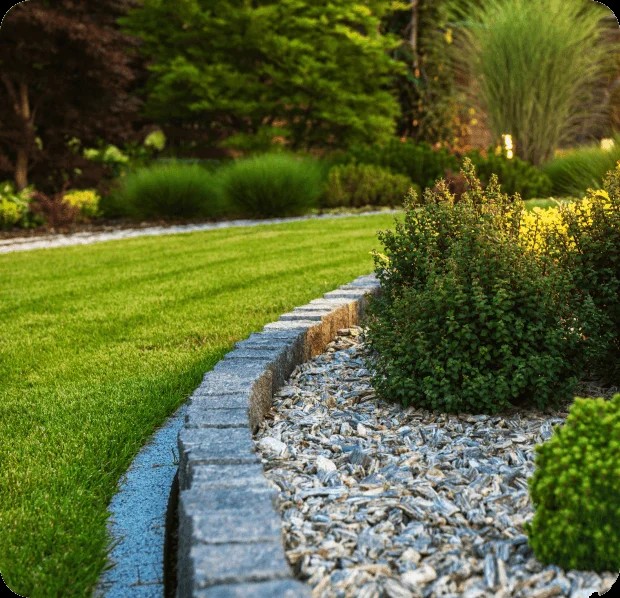
A well-maintained yard can completely change how a property looks and feels. From healthy grass and colorful flower beds to thoughtfully arranged trees and outdoor gathering spaces, every detail contributes to the overall appearance of a home. For homeowners exploring decatur il landscaping, creating an attractive outdoor environment also means understanding local growing conditions, choosing suitable plants, and establishing a maintenance routine that works throughout the year. With a little planning, an ordinary lawn can become a welcoming extension of the home rather than another source of weekend chores.
Start With a Yard That Works for Your Lifestyle
Before purchasing plants or planning new garden beds, consider how you actually use your outdoor space. A family with young children may need an open lawn for playing, while someone who enjoys entertaining might prefer a patio surrounded by attractive greenery.
The best landscape designs balance appearance with everyday practicality. Think about where people walk, which areas receive the most sunlight, and whether certain parts of the property need additional privacy.
It is also worth considering how much time you want to spend maintaining the yard. Elaborate flower beds, decorative shrubs, and intricate garden layouts can look impressive, but they may require more frequent attention than a simpler design.
A practical landscape plan should account for:
- Outdoor Activities: Leave enough open space for recreation, pets, or gatherings.
- Privacy: Use strategically placed trees, shrubs, or fencing to create separation from neighboring properties.
- Accessibility: Keep walkways convenient and avoid planting vegetation where it may obstruct entrances.
- Maintenance: Choose features that fit your available time and budget.
- Future Growth: Account for the mature size of trees and shrubs rather than planning around their current dimensions.
Thinking through these details before starting a project can prevent expensive changes later.
Healthy Soil Is the Foundation of a Beautiful Lawn
Grass needs more than water and sunlight to thrive. The condition of the soil underneath determines how effectively roots absorb nutrients, access moisture, and establish themselves.
Compacted soil can restrict root development and make it difficult for water to penetrate the ground. Poor drainage may leave certain areas constantly wet, while sandy soil can allow moisture to disappear too quickly.
A soil test is a useful starting point when grass struggles despite regular maintenance. It can reveal whether the soil has an unsuitable pH level or nutrient deficiencies that need attention.
Based on the results, homeowners may benefit from adding organic matter, adjusting soil conditions, or improving drainage. Applying fertilizer without understanding what the soil actually needs can waste money and contribute to unnecessary nutrient runoff.
Aeration is another useful practice for lawns affected by compacted soil. It creates small openings that allow air, water, and nutrients to reach the root zone more effectively. The appropriate timing depends on the grass variety and growing conditions.
Give Your Grass the Care It Needs to Thrive
A healthy lawn doesn’t necessarily require constant mowing or large amounts of fertilizer. Consistency and proper timing usually matter more than doing everything at once.
Grass height, watering habits, and seasonal conditions all influence how well a lawn develops.
Mow With the Right Technique
Cutting grass too short can weaken it and leave the soil more exposed to sunlight. This may encourage weed growth and make the lawn less resilient during dry weather.
Follow the recommended mowing height for your grass variety, and avoid removing more than roughly one-third of the grass blade in a single mowing session.
Keeping mower blades sharp also makes a difference. Dull blades tear grass instead of producing clean cuts, leaving the lawn looking uneven and potentially increasing stress on the plants.
Water Deeply Instead of Constantly
Frequent, shallow watering encourages grass roots to remain close to the surface. Deeper watering, when appropriate for the soil and weather, encourages roots to develop farther down.
Early morning is generally a good time to water because less moisture is lost to evaporation, and grass has time to dry during the day.
However, rainfall, soil type, temperature, and grass variety should influence your watering schedule. If the ground remains wet, additional irrigation may do more harm than good.
Choose Plants That Complement Your Property
Landscaping becomes much easier to maintain when plants are selected according to their growing requirements rather than appearance alone.
A flower that thrives in full sunlight may struggle in a shaded corner, while certain shrubs can quickly outgrow the space available to them.
Consider the following factors before choosing new vegetation:
- Sun Exposure: Determine whether the planting area receives full sun, partial shade, or mostly indirect light.
- Water Requirements: Group plants with similar watering needs to simplify irrigation.
- Mature Size: Check the expected height and width of trees and shrubs before planting.
- Seasonal Interest: Combine plants that flower, change color, or maintain attractive foliage at different times of the year.
- Local Conditions: Prioritize varieties suited to the region’s temperatures, rainfall patterns, and soil conditions.
Native and regionally adapted plants are often worth considering because they may require less supplemental watering and maintenance once established.
Create Visual Interest With More Than Flowers
A memorable landscape doesn’t have to rely on colorful blooms. Texture, height, shape, and contrast can make an outdoor space attractive throughout the year.
Ornamental grasses, evergreen shrubs, decorative stones, and carefully positioned trees can provide structure even when seasonal flowers are no longer blooming.
Consider layering plants at different heights. Taller shrubs can provide a backdrop, medium-sized plants can fill the middle ground, and smaller flowers or ground covers can soften the edges of garden beds.
Hardscape features also contribute to the overall design. Stone pathways, retaining walls, garden borders, and seating areas introduce structure while creating practical spaces for everyday use.
The key is maintaining a consistent design. Too many unrelated materials, colors, and decorative elements can make a yard feel crowded rather than thoughtfully arranged.
Don’t Let Poor Drainage Ruin Your Hard Work
Water management is one of the most important aspects of maintaining an outdoor space. Even a beautifully planted yard can develop problems if water consistently collects in the wrong places.
Standing water may damage grass roots, create muddy patches, and contribute to soil erosion. It can also direct moisture toward building foundations if the property’s grading is inadequate.
Start by observing how water moves across the property after rainfall. Look for areas where puddles remain long after surrounding surfaces have dried.
Depending on the underlying cause, improvements might involve adjusting soil grades, redirecting downspouts, installing drainage systems, or creating a rain garden.
Avoid simply covering low spots with additional soil without understanding why water collects there. A lasting solution needs to address the underlying drainage issue.
Prepare Your Landscape for Every Season
Outdoor maintenance changes throughout the year, and a seasonal approach makes it easier to keep plants and grass in good condition.
Spring is a good time to assess winter damage, clear accumulated debris, prepare garden beds, and address bare lawn areas. It is also an opportunity to inspect irrigation equipment before regular watering becomes necessary.
During summer, pay closer attention to moisture levels, mowing frequency, weeds, and signs of heat stress. Mulching around appropriate planting areas can help moderate soil temperatures and reduce moisture loss.
Fall provides an opportunity to remove fallen leaves, prepare perennial plants for colder weather, and complete suitable lawn treatments before growth slows. Keep leaves from accumulating in thick layers that block sunlight and trap moisture.
Winter is generally a quieter period, but it doesn’t mean the landscape should be ignored completely. Avoid repeatedly walking over frozen or dormant grass, and use the slower season to plan improvements for the following spring.
Small Maintenance Habits Make a Lasting Difference
A beautiful outdoor space is usually the result of regular attention rather than occasional major projects. Simple habits can prevent many problems from becoming expensive repairs.
Check irrigation equipment for leaks, remove weeds before they spread, trim damaged branches, and keep garden beds properly maintained. Inspect trees periodically for dead limbs or visible signs of disease, and seek professional advice when larger branches or structural concerns require attention.
It is also helpful to keep track of planting dates, fertilizer applications, and previous landscaping projects. These records make it easier to understand what works well and identify recurring problems.
Most importantly, don’t try to change everything at once. Improving one section of the yard at a time makes projects easier to manage and allows you to see how different choices affect the overall landscape.
Turn Your Outdoor Space Into Something Special
A beautiful yard is about more than perfectly trimmed grass or an impressive collection of plants. It should complement the property, support the way you spend time outdoors, and remain manageable as the seasons change.
By focusing on soil health, thoughtful plant selection, proper drainage, and consistent maintenance, homeowners can create an outdoor environment that becomes more attractive over time.
The best landscaping decisions are those that balance visual appeal with practical needs. When every element has a purpose, even a modest yard can become a comfortable, inviting space that adds enjoyment and value to everyday life.