
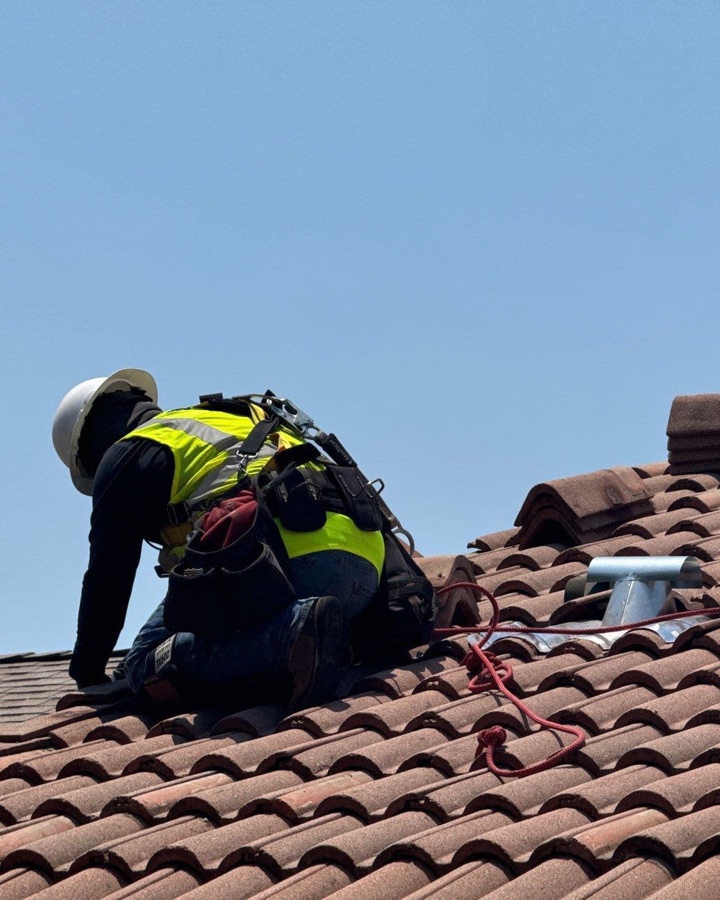
A roof does much more than keep rain out of a house. It helps regulate indoor temperatures, protects the structure from environmental damage, and contributes to the overall appearance of a property. For homeowners researching roof repair in san diego, understanding how different roofing components work together can make it easier to recognize problems and make informed decisions. Whether you’re maintaining an older home or planning a complete replacement, knowing what goes into a dependable roofing system can help you protect your investment for years to come.
A Roof Is More Than Just the Material You See
When people think about roofing, they usually picture shingles, tiles, or metal panels. However, the visible surface is only one part of a much larger system. Several layers work together to keep moisture outside and protect the structure underneath.
The roof deck provides the foundation for the roofing materials, while underlayment offers an additional layer of protection against water intrusion. Flashing helps direct water away from vulnerable areas, and properly designed ventilation and insulation contribute to indoor comfort.
Each component has a specific purpose, and problems with one area can eventually affect others. For example, damaged flashing around a chimney may allow water to reach the underlying roof structure, even when the surrounding shingles appear to be in good condition.
Understanding these layers helps explain why a professional roof inspection should look beyond obvious surface damage.
The Most Vulnerable Areas Deserve Extra Attention
Some sections of a roof experience greater exposure to moisture and environmental stress than others. These areas often require more careful installation and periodic inspection.
Roof valleys are a good example. They collect water flowing down two adjoining roof slopes, making proper drainage particularly important. If the surrounding materials become damaged or improperly installed, water may find its way beneath the roofing surface.
Other areas worth monitoring include:
- Chimneys and Vent Pipes: Flashing around these features helps prevent water from entering through openings in the roof.
- Skylights: Deteriorated seals or improperly installed flashing can contribute to leaks around the frame.
- Roof Edges: Damaged drip edges and deteriorated materials may allow water to reach fascia boards and other surrounding components.
- Roof-to-Wall Connections: These transitions require appropriate flashing to direct water away from the building.
- Gutters and Downspouts: Blockages can interfere with drainage and allow water to accumulate near vulnerable roof edges.
These details may seem relatively minor, but overlooking them can lead to damage that extends beyond the original problem.
What Your Attic Can Tell You About Roof Health
The condition of a roof isn’t always obvious from outside. Sometimes, the first signs of trouble appear inside the attic.
A quick visual inspection of accessible attic areas can reveal clues about moisture problems, ventilation issues, or deteriorating materials. Water stains on roof decking, damp insulation, visible daylight through unexpected openings, and musty odors all deserve attention.
Ventilation is another important consideration. An attic that doesn’t have an appropriate ventilation strategy may experience excessive heat or moisture accumulation, depending on the building’s design and climate.
Insulation also plays an important role. Properly installed insulation helps limit heat transfer between the living space and attic, while appropriate air sealing and ventilation help manage moisture and temperature conditions.
Rather than treating these elements as separate concerns, homeowners should consider how they work together. A roofing problem may sometimes be connected to conditions beneath the roof covering.
Choosing Roofing Materials That Suit Your Property
There isn’t one roofing material that works perfectly for every home. The right choice depends on the building’s structure, architectural style, budget, maintenance expectations, and local environmental conditions.
Asphalt shingles remain popular because they offer a familiar appearance and come in different styles and price ranges. They are relatively straightforward to install and replace, although their performance depends on product quality, installation, and maintenance.
Clay and concrete tiles provide a distinctive appearance and can offer long service lives when properly installed. However, their weight means the underlying structure must be suitable for the selected system.
Metal roofing is another option worth considering. It comes in several profiles and finishes, offers durability, and can provide effective protection when installed according to manufacturer specifications.
Flat and low-slope roofs require a different approach. Materials such as single-ply membranes and modified bitumen are designed for roof configurations where water drainage works differently from traditional pitched roofs.
Before selecting a material, consider the complete roofing system rather than focusing exclusively on appearance or initial purchase price.
Could a Cool Roof Make Your Home More Comfortable?
Roofing materials influence how much solar heat a building absorbs. This is particularly relevant in warmer regions, where cooling costs can represent a considerable part of household energy expenses.
Cool roofing products are designed to reflect more sunlight and release absorbed heat more effectively than conventional alternatives. They are available in different materials, colors, and configurations, including options that resemble traditional roofing products.
However, choosing a reflective roof isn’t simply a matter of selecting the lightest available color. Solar reflectance, thermal emittance, insulation, attic conditions, and the building’s overall design all influence performance.
The U.S. Department of Energy notes that cool roofing can reduce air-conditioning energy consumption in suitable climates, although the actual benefits vary depending on building characteristics and environmental conditions.
When planning a replacement, compare products based on their documented performance rather than assuming that every light-colored roofing material offers the same benefits.
Small Maintenance Tasks Can Prevent Bigger Problems
Roof maintenance doesn’t always require extensive work. Regular attention to a few important details can help identify developing problems before they require major repairs.
Start by keeping gutters and downspouts clear so rainwater can drain away properly. Check for visible signs of damaged shingles, displaced tiles, deteriorating flashing, and loose roofing components from a safe viewing location.
After significant weather events, look for changes such as new ceiling stains, damaged exterior materials, or debris accumulating around drainage areas.
It is also useful to keep records of previous repairs, installation dates, and material specifications. This information can help contractors understand the roof’s history and recommend appropriate maintenance.
Avoid walking directly on roofing materials unless you’re properly trained and equipped. Some surfaces can be slippery or fragile, and unnecessary foot traffic may cause additional damage.
Knowing When Repairs Are No Longer Enough
Every roof eventually reaches a point when ongoing repairs become less practical than replacement. Determining when that point arrives requires looking at the overall condition of the system rather than focusing on one isolated problem.
A roof with localized damage may only need a targeted repair. However, widespread deterioration, recurring leaks, extensive material failure, or problems affecting the underlying structure may indicate that a larger project is necessary.
Age is another consideration, although roofing materials don’t all have the same expected lifespan. Installation quality, weather exposure, ventilation, and maintenance history can significantly influence how long a particular system performs.
A professional assessment can help homeowners compare repair and replacement options. It should explain the condition of the existing materials, identify underlying concerns, and outline the likely benefits and limitations of each approach.
Give Your Roof the Attention It Deserves
A dependable roof is the result of good materials, careful installation, proper drainage, and consistent maintenance. Each component contributes to protecting the building, and overlooking small problems can eventually affect the entire system.
Homeowners who understand what to look for are better prepared to recognize warning signs, ask useful questions, and plan improvements before problems become disruptive.
Instead of waiting for a leak to appear on the ceiling, make roof inspections and preventive maintenance part of your regular home care routine. A little attention today can help preserve the structure, comfort, and value of your property for many years.