
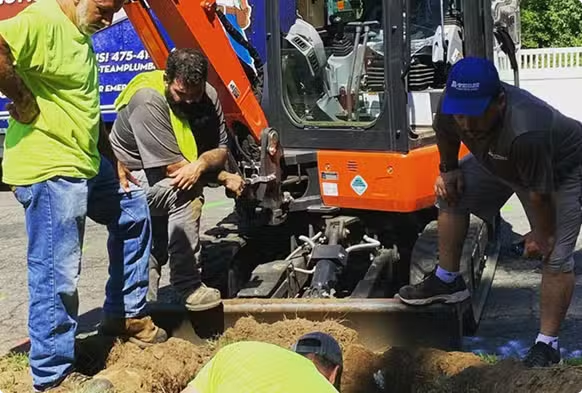
My neighbor’s kitchen faucet ran brown for six seconds every morning for years, and three plumbers told her it was normal. It was a failing galvanized line letting rust bleed into the cold side. That kind of head-scratcher is everywhere in Connecticut housing stock, and most of it traces back to how these homes were built, not to anything you did wrong.
Older houses here were plumbed by people working with the materials they had, then remodeled by owners who didn’t always know the rules. You end up with low water pressure upstairs, drains that gurgle when the washer runs, and shutoff valves in places that make no sense. If you’re at the point where diagnosing each oddity feels like a second job, calling in experienced Connecticut plumbers who see this housing stock every day will save you months of guessing. The point of this piece is to help you understand what you’re looking at so no one sells you a repair you don’t need.
Below you’ll find the three systems that cause most of the weirdness, how to trace a problem yourself, and when to stop poking at it and hand it to a pro.
Where the oddities actually come from
A lot of New England housing predates indoor plumbing entirely. Tubs and sinks were retrofitted into closets and kitchens decades later, and the pipes took whatever route was shortest and cheapest. That’s why your upstairs bathroom sink sits on an exterior wall, why the toilet drain runs sideways through a floor joist bay, and why a shutoff valve hides behind a cabinet panel you’ve never opened.
Material history matters too. Galvanized steel was the standard for water supply lines for much of the twentieth century. It rusts from the inside out, so the pipe looks fine on the outside while the inner bore shrinks to a pinhole. That’s the real story behind weak shower pressure in an old house. It’s not scale in your showerhead. The line feeding it is choked.
Homes from the middle of the last century often used copper, which can develop pinhole leaks, and many of their supply connections to fixtures are a mix of brass, copper, and old galvanized stubs. Every time you open a wall, you find another layer. This is a known headache for anyone restoring older homes, and the Department of Housing and Urban Development writes about the rehabilitation challenges older properties present, including outdated systems that no longer meet current expectations.
Do your drains really need a camera?
Yes, more often than you’d think, and here’s the logic. A gurgle isn’t a sign your pipes are haunted. It means air is being pulled through a trap because the venting is wrong or the line is partly blocked. In older homes, drain lines were sometimes run without proper venting, and shared lines between the sink and the washing machine are common. When the washer dumps a load, it pushes water past a trap that never got vented, and you hear the slurp.
What you can do yourself is a test with a clear result. Fill both kitchen basins, then pull the stopper and time how fast the sinks empty. Run the washer at the same time and watch the sink. If water backs up or the toilet bubbles, you have a shared line issue, and that’s worth a camera inspection before you decide on a repair.
What you shouldn’t do is pour chemical drain cleaner into a slow main line in a house with old pipes. It can eat into a cast iron trap that’s already paper thin. I’d rather snake a line by hand and find the clog than dissolve what’s left of the pipe.
The water pressure problem you can check in five minutes
Buy a $12 pressure gauge that screws onto a hose bib, then open the valve. Houses on a municipal supply should land in a normal range, and if the reading is very high, you have a regulator problem that’s quietly stressing every fixture and supply line in the house.
A low reading is a different animal. It usually means corrosion on the service side, a failing pressure-reducing valve, or a partially closed shutoff you’ve forgotten. Homes on well water have their own complications, and the Environmental Protection Agency maintains guidance on private wells and the maintenance they require, which is worth reading if your house runs on one. A well system with a tired tank gives you a shower that starts strong and fades to a trickle, and no amount of faucet cleaning will fix it.
Don’t take a plumber’s word for it if the diagnosis feels vague. Ask for the gauge reading and take one yourself right after. The number should match.
What to do before you remodel
If you’re opening walls for a kitchen or bath project, use that window. Contractors charge less to replace a line when the drywall is already gone, and there’s no second demo bill. The mistake I see most is people finishing a bathroom with fresh tile over pipes they never inspected. Two years later they’re cutting into the new tile.
Start with three steps. Walk the basement and note every pipe material and what it feeds. Find the main shutoff and label it, plus any branch valves behind fixtures. Then make a list of every weird symptom you’ve noticed over the past year, because patterns tell a plumber more than any single complaint. A drain that only gurgles on laundry day points somewhere entirely different than one that gurgles whenever the kitchen sink drains.
It also helps to know your house’s age. The Census Bureau publishes housing data that shows how much of the nation’s stock was built before modern plumbing standards took hold, and older neighborhoods tend to cluster together. That’s not a defect of your block, just useful context when a contractor starts talking about how your home differs from what they usually see. Get a written scope with the pipe material named, the length replaced, and the access point they’ll use.
When to stop and call someone
Water where it shouldn’t be is the line. Active leaking, a sewer smell that doesn’t clear after a few days, or a main line that stays slow after you’ve snaked it yourself all point to a project bigger than a weekend fix. The same goes for repeated pinhole leaks on copper. Two or three in a year means the pipe is failing, and patching it is throwing money at a losing battle.
My honest stance is that old pipe investigation is worth paying for once. Skip the free estimates that double as sales pitches and hire someone willing to explain what’s actually failing. The fix usually costs far less than the anxiety of not knowing.
What’s the weirdest plumbing quirk in your house? If it’s been there since you moved in, it’s probably older than your ownership and someone dropped a shortcut into that wall. Get it identified now, before a remodel forces the issue. The next time your basement pipe surprises you, you’ll be glad you already know what it is.