
Your North Jersey commercial roof keeps flunking inspection for the same three reasons. Here is how to fix the pattern before the next round.
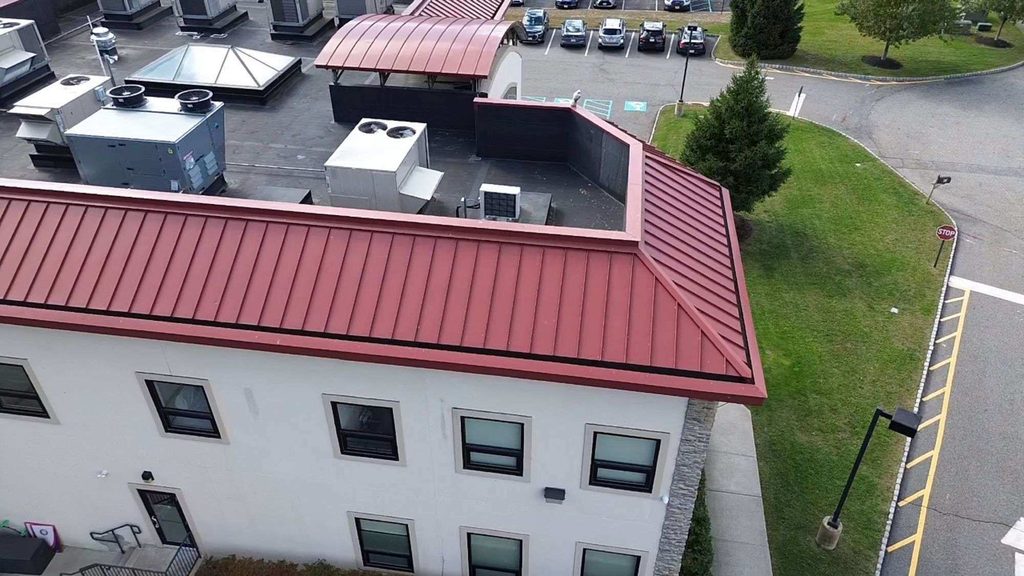
Three buildings. Three failed roof inspections in two years. Same landlord, same spec sheet, same crew of good people trying to do the right thing. When I asked why the membrane kept triggering moisture readings near the drains, the answer was basically a shrug and a habit.
That pattern is not bad luck. It is paperwork, sequencing, and one stubborn detail that nobody writes down between April and June. If you own or manage a building from Hackensack up to Paramus, your inspection window is short and the stakes are quieter than a hurricane but just as real.
Most owners treat the annual roof report like a fire drill. They want the pass, they want it fast, and they want the invoice to feel small. What they accept instead is a cycle where patching becomes the strategy and full replacement sneaks up out of nowhere. Getting ahead of it usually means understanding when commercial roofing in North Jersey stops being a maintenance line item and starts being a capital plan, and that shift happens earlier than most building managers expect.
What actually goes wrong between April and June
North Jersey springs are a schedule problem disguised as a weather problem. You get a stretch of warm dry days, then a cold snap, then a week of rain. Adhesives and coatings behave differently across that range, and crews working to a tight calendar get squeezed.
Here is the moment that matters most: a crew applies a solvent-based adhesive in the morning, the substrate is still holding overnight moisture from a front that moved through two days earlier, and the bond looks fine at 4 p.m. Six weeks later, in the first real heat, it blisters near a seam. The inspection report flags it, the warranty conversation begins, and everyone points at a different trade.
I would bet most recurring inspection failures in this region trace back to that one sequencing decision. Not storm damage, not hail, not some mysterious manufacturer defect. Damp substrate and a compressed calendar.
Does a roof system ever really pass on the first try?
Sometimes, and usually for boring reasons. The building was dry, the drains were clear, the crew had slack in the schedule, and the owner paid for a moisture survey before the work started rather than after.
The boring version is the one you want. Manufacturers publish installation requirements for a reason, and third-party testing bodies like the National Institute of Standards and Technology exist partly because material performance under real conditions is not something you can eyeball. Spec sheets assume dry, clean, properly primed surfaces. Miss any of those and you are running a science experiment on your own roof.
Practical guidance for the next cycle:
- Insist on a moisture survey before adhesive work, not after
- Build two weather buffer days into every scheduled window
- Photograph substrate conditions on the morning of installation
- Document drain scupper elevations before and after membrane placement
None of that is glamorous, and all of it is cheaper than a second mobilization.
The drain detail most reports forget
Walk any older flat roof in this region and count the ponding spots. Nine times out of ten they cluster near a drain that was raised a half inch during the last repair and never re-set.
That half inch matters because building codes and roofing standards both care about positive drainage, and positive drainage is a slope argument, not a maintenance argument. I would take a slightly oversized drain ring over a fancy tapered insulation package any day of the week, because the drain is where water actually leaves and where failures actually show up first.
Here is my tested habit, built from a decade of watching reports get re-opened: before you approve any patch work near a drain, put a straightedge across the surrounding four feet and check the fall. If it is flat, the patch is decorative. Fix the slope or fix the drain, but do not spend money on membrane that will sit in a puddle.
Reading the inspection report without getting snowed
Roof reports from different firms read very differently, and the variance is a feature, not a bug. Some inspectors write narratives. Some hand you a photo grid with three sentences. Both can be honest.
What you want are these four things, in this order:
- Moisture readings with locations, not a pass or fail summary
- Photos of every reported defect, taken from the same angle across visits
- A separation between code-driven items and wear-driven items
- A cost band for each item, even if it is a wide one
If you cannot get all four, ask once more. A firm that cannot produce them is telling you something about how they work, and it is worth hearing before you sign a maintenance contract.
There is also a compliance layer that most owners ignore until a lender asks. Government facility standards, published by agencies like the General Services Administration, treat roof condition as part of building asset condition, and that framing helps when you are arguing with a bank or an insurer about whether a repair is maintenance or capital. Learn the language. It gets you better decisions.
The framework I use: Dry, Drained, Documented
Call it the three-D check. Dry means the substrate and cavity are confirmed dry with measurements, not opinions. Drained means every low point has a defined path to a scupper or drain, confirmed with a slope check. Documented means photos, dates, and the name of the person who signed off on each condition.
This is not a theory. I built it because I kept watching the same argument repeat across three properties: contractor says surface was dry, owner says it rained the day before, manufacturer asks for documentation neither party has. The three-D framework ends that argument before it starts, because the photos and readings are taken at the moment the work is authorized, not reconstructed after a problem shows up.
Run it on a single roof section first. You will see the difference in how your next inspection conversation goes.
Environmental realities you cannot design around
No roof system beats weather. That is why stormwater rules and stormwater management guidance from the Environmental Protection Agency keep showing up in building conversations. Rain volume near an urbanized North Jersey corridor is not getting smaller, and the design assumption that water leaves the roof in a hurry is doing real work.
So build in margin. Choose a slightly heavier membrane where traffic exists, size drains with a little extra, and treat the low corner of the building as your most honest diagnostic tool. If water sits there in November, it will sit there in March, and you will be paying someone to visit it again.
Roofs fail on schedules and details more than on material choice. Fix the schedule pressure, fix the drain fall, and photograph everything. Your next inspection report should feel shorter and duller than the last one, and if it does, you did the work right. Ask your contractor for the moisture survey before the adhesive hits the deck, and see what changes.