
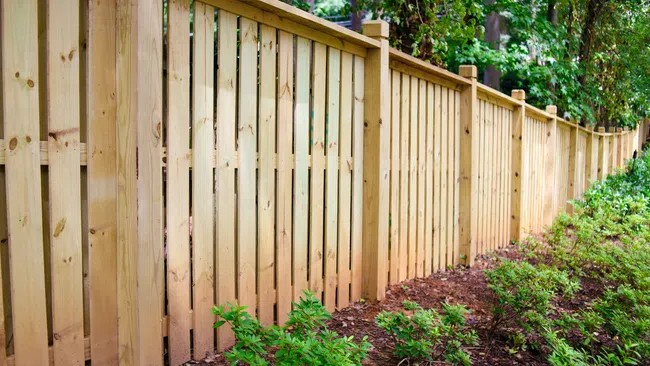
A residential fence can do much more than mark the boundaries of a property. It can provide privacy, improve security, create a safe space for children and pets, and enhance the overall appearance of a home. For homeowners in Atlanta, choosing the right fencing requires balancing these practical benefits with local weather conditions, property layouts, maintenance requirements, and neighbourhood considerations.
From traditional wood fences to durable vinyl and decorative metal designs, there are several options to consider. The best choice for residential fencing in Atlanta depends on how the outdoor space will be used, how much maintenance the homeowner is prepared to handle, and the appearance they want to achieve. Understanding the main factors involved can make the selection process easier and help prevent costly mistakes.
1. Identify Your Main Reason for Installing a Fence
Before comparing materials or designs, consider what you want the fence to accomplish. Different needs call for different fencing styles.
Privacy and Outdoor Comfort
Homeowners who spend time relaxing, entertaining guests, or dining outdoors may prefer a fence that limits views from neighbouring properties. Taller wood or vinyl panels can create a more secluded atmosphere, subject to applicable local requirements.
Security and Boundary Definition
A fence can establish a visible boundary and help control access to a residential property. Gate placement, fence height, visibility, and the surrounding landscape all influence how well a design meets these needs.
Safety for Children and Pets
Families with children or pets may benefit from secure gates, appropriate spacing between fence components, and a design that reduces opportunities for climbing or escaping. The fence should suit the size and behaviour of the animals using the yard.
Decorative Appeal
Some homeowners choose fencing primarily to complement the architecture of their homes. Decorative metal, picket fencing, and thoughtfully designed wood fences can add character without making a property feel enclosed.
Defining your priorities early will help narrow the options and keep the project within budget.
2. Compare Popular Residential Fencing Materials
The material you choose affects the fence’s appearance, lifespan, installation cost, and ongoing maintenance.
Wood Fencing
Wood remains a popular choice because of its natural appearance and design flexibility. It can be built in different heights and styles, including privacy panels, horizontal slats, and traditional picket fences.
However, wood requires regular care to protect it from moisture, insects, and weather-related deterioration. Atlanta’s humid conditions and periods of heavy rainfall make proper installation, drainage, and appropriate sealing or staining especially important.
Wood is worth considering for homeowners who value a classic appearance and are willing to maintain the material over time.
Vinyl Fencing
Vinyl fencing offers a clean, consistent appearance and generally requires less routine maintenance than wood. It does not need regular painting or staining, and ordinary cleaning can often be handled with water and a mild detergent.
Its performance depends on product quality, installation, and exposure to weather. Homeowners should compare construction quality, warranty terms, available styles, and repair options before making a decision.
Vinyl may suit people who want a neat-looking fence without extensive ongoing upkeep.
Aluminum and Other Metal Fencing
Metal fencing can provide a durable, attractive boundary while preserving views across a yard. Aluminum is often chosen for its resistance to rust and relatively low maintenance requirements.
Open metal designs are particularly useful around landscaped gardens or outdoor areas where visibility is desirable. However, they provide less visual privacy than solid-panel fencing.
Metal fencing can also complement sloping ground and more formal landscape designs, depending on the selected system.
Chain-Link Fencing
Chain-link fencing is a practical option for homeowners who prioritise boundary definition and functionality. It allows visibility and airflow, making it useful for larger yards, pet enclosures, and some side or rear property boundaries.
Standard chain-link offers limited privacy, although privacy screens and other additions may be possible. Homeowners should consider how the finished fence will look alongside the home and surrounding landscaping.
3. Consider Atlanta’s Climate and Outdoor Conditions
Local weather should play an important role in fencing decisions. Atlanta experiences hot summers, humidity, rainfall, and occasional severe storms. These conditions can affect both materials and structural stability.
For wood fences, moisture management is particularly important. Properly installed posts, suitable protective treatments, and good drainage can help reduce premature deterioration.
Metal fencing should have an appropriate protective finish, while vinyl products should be selected for their quality and suitability for outdoor exposure.
Wind resistance also deserves attention. Solid privacy fences can catch more wind than open designs, so post depth, spacing, hardware, and installation quality matter. A professional assessment can help determine the appropriate construction for the property’s conditions.
The surrounding landscape is equally important. Trees, roots, uneven ground, and poor drainage can complicate installation or affect the fence over time.
4. Choose a Style That Complements Your Home
A fence should look like a natural extension of the property rather than an unrelated addition.
Traditional homes may suit wood picket fences or classic privacy panels, while contemporary properties might pair well with horizontal boards, simple metal railings, or understated vinyl designs.
Colour also influences the overall effect. Natural wood tones can create a warm appearance, while black metal fencing often provides a defined outline without blocking the view.
Consider the fence from both inside and outside the property. Think about how it will look alongside the house, garden beds, driveway, neighbouring homes, and street-facing areas.
Planting shrubs or adding landscaping around selected sections can soften the appearance of a fence and create a more inviting outdoor space.
5. Understand Local Rules Before Installation
Fence installation may be subject to local zoning requirements, building regulations, subdivision restrictions, or homeowners association rules. Requirements can vary depending on the property’s location and the type of fence being installed.
Before purchasing materials, investigate applicable restrictions concerning height, placement, visibility near driveways, and property boundaries. Corner lots and properties near roads or sidewalks may have additional considerations.
It is also important to confirm property lines. Existing fences do not always accurately indicate legal boundaries, so reviewing a property survey can help avoid disputes with neighbours.
Check whether permits or approvals are required for the proposed project. If the property is part of a homeowners association, review its rules regarding materials, colours, styles, and placement.
Underground utility locations should also be identified before digging post holes. Taking these steps early can reduce delays and help prevent avoidable expenses.
6. Plan a Realistic Fencing Budget
The cost of residential fencing depends on several factors, including material, fence height, total length, terrain, gate requirements, and installation complexity.
A straightforward fence on level ground may cost less to install than one requiring extensive grading, removal of an old structure, or additional structural support.
When comparing quotes, look beyond the total price. Check whether each estimate includes materials, labour, gate hardware, site preparation, removal of existing fencing, and cleanup.
It is also sensible to allow room in the budget for unexpected conditions, such as difficult soil, hidden obstacles, or necessary drainage adjustments.
Maintenance costs should be included in the decision. A lower initial price does not always represent the most economical option over the fence’s entire lifespan.
7. Decide Between DIY Installation and Professional Help
Some homeowners may be comfortable installing a short, straightforward fence themselves. DIY installation can offer greater control over scheduling and labour costs, but it requires suitable tools, accurate measurements, and an understanding of construction methods.
Mistakes involving post alignment, depth, spacing, or gate positioning can affect the fence’s stability and appearance. Working on sloped ground or installing a long privacy fence may introduce additional challenges.
Professional installation can be helpful for complex layouts, uneven terrain, large projects, or properties with specific regulatory requirements. Experienced installers can assess site conditions, recommend suitable materials, and establish a consistent finish.
When comparing fencing contractors, review their experience, written estimates, insurance coverage, warranties, and approach to site preparation. Clear communication about the project scope can help prevent misunderstandings.
8. Maintain Your Fence to Extend Its Useful Life
Regular inspections can help homeowners identify small problems before they become expensive repairs.
For wood fencing, check for loose boards, damaged posts, peeling finishes, and signs of rot or insect activity. Clean and reseal the surface as needed.
For vinyl fencing, remove accumulated dirt and inspect panels, fasteners, and posts for damage. Metal fencing should be checked for loose connections, damaged coatings, corrosion, or movement in the posts.
Keep plants from excessively crowding the fence, and make sure soil or mulch does not accumulate against vulnerable materials. After severe storms, inspect the structure for leaning sections, loose panels, and damaged gates.
A simple seasonal maintenance routine can help preserve the fence’s appearance and functionality.
Conclusion
Choosing residential fencing in Atlanta involves more than selecting a material or deciding how much privacy you want. Homeowners should consider their priorities, the local climate, property layout, maintenance expectations, budget, and applicable regulations before beginning installation.
Wood, vinyl, metal, and chain-link fencing each offer different advantages. By comparing these options carefully and planning for both installation and long-term upkeep, homeowners can find a solution that suits their property and lifestyle.
A well-chosen fence can improve the usability of an outdoor space, provide a clearer sense of privacy, and complement the home’s overall appearance. Taking time to plan the project thoroughly helps ensure that the finished fence remains practical, attractive, and suitable for years to come.